Best Police Scanner for Michigan: Frequencies, Systems & Recommendations
Michigan is really two states in one. A quiet, forested Upper Peninsula bordered by Lake Superior, and a dense, industrial Lower Peninsula anchored by Detroit and its suburbs. That split matters for scanner listeners as much as it does for road trippers. Drive across a county line in metro Detroit and you can land on a completely different encryption policy, while three hours north on the exact same statewide system, most police traffic is still wide open. Knowing that Michigan uses P25 is not enough on its own. Knowing which counties still let you listen, and which scanner keeps up everywhere else, is what actually matters.
Michigan’s Statewide System: MPSCS
Nearly every public safety agency in Michigan, from the Detroit Police Department to a two-truck volunteer fire department in the Upper Peninsula, communicates over one backbone: the Michigan Public Safety Communications System, known statewide as MPSCS. Built on Motorola’s P25-compliant SmartZone platform, MPSCS is an 800/700 MHz trunked radio network with roughly 348 tower sites reaching all 83 counties and close to 2,000 state, local, federal, tribal, and private agencies.
Almost every site in Michigan currently runs P25 Phase 1. Oakland County is the one exception, having completed a $61 million radio overhaul in 2024 that pushed the county fully to Phase 2. In practice, this distinction rarely changes your buying decision, since the Uniden SDS150 and SDS100 both decode Phase 1 and Phase 2 P25 out of the box. One scanner covers MPSCS traffic whether you are parked outside Comerica Park or camped near Tahquamenon Falls.
Encryption in Michigan: County by County, Not Statewide
This is where “moderate encryption” undersells what is actually happening on the ground. Encryption on MPSCS is switched on agency by agency, not set by a single statewide policy, so coverage looks more like a checkerboard than a dial turned halfway up.
Police channels are already fully encrypted in Oakland, Kent (Grand Rapids), Genesee (Flint), Lapeer, Ottawa, and Allegan counties, with partial encryption reported in Calhoun and Jackson counties. Kalamazoo County is its own case study in that nuance: the Kalamazoo City and Kalamazoo Township police departments are encrypted, while the Kalamazoo County Sheriff’s Office currently is not. Wayne and Macomb counties, the core of metro Detroit, have been reported to be moving toward encryption as well, so treat southeast Michigan as a region in transition rather than fully open or fully closed.
Detroit itself does not run a separate city system the way some major cities do. The Detroit Police and Fire Departments are folded directly into MPSCS and even carry their own reserved radio ID block inside the statewide network, a numbering detail rather than a separate system you would need to program.
Here is the reassuring part: fire and EMS traffic stays open in nearly every county listed above, even where police has encrypted, and most of Michigan’s 83 counties, especially across the northern Lower Peninsula and the entire Upper Peninsula, still run open police traffic on MPSCS today.
| COUNTY / REGION | POLICE STATUS | FIRE/EMS |
| Wayne (Detroit) | Reported transitioning | Open |
| Oakland | Encrypted | Mostly open |
| Macomb | Reported transitioning | Open |
| Kent (Grand Rapids) | Encrypted | Open |
| Genesee (Flint) | Encrypted | Open |
| Kalamazoo | Split: city/township encrypted, Sheriff open | Open |
| Ottawa & Allegan | Encrypted | Open |
| Lapeer | Encrypted | Open |
| Calhoun & Jackson | Partial, some departments encrypted | Open |
| Remaining ~73 counties | Mostly open (esp. northern LP & U.P.) | Open |
Encryption status changes quickly and is set department by department. Check RadioReference for your specific county before buying.
Best Police Scanner for Michigan
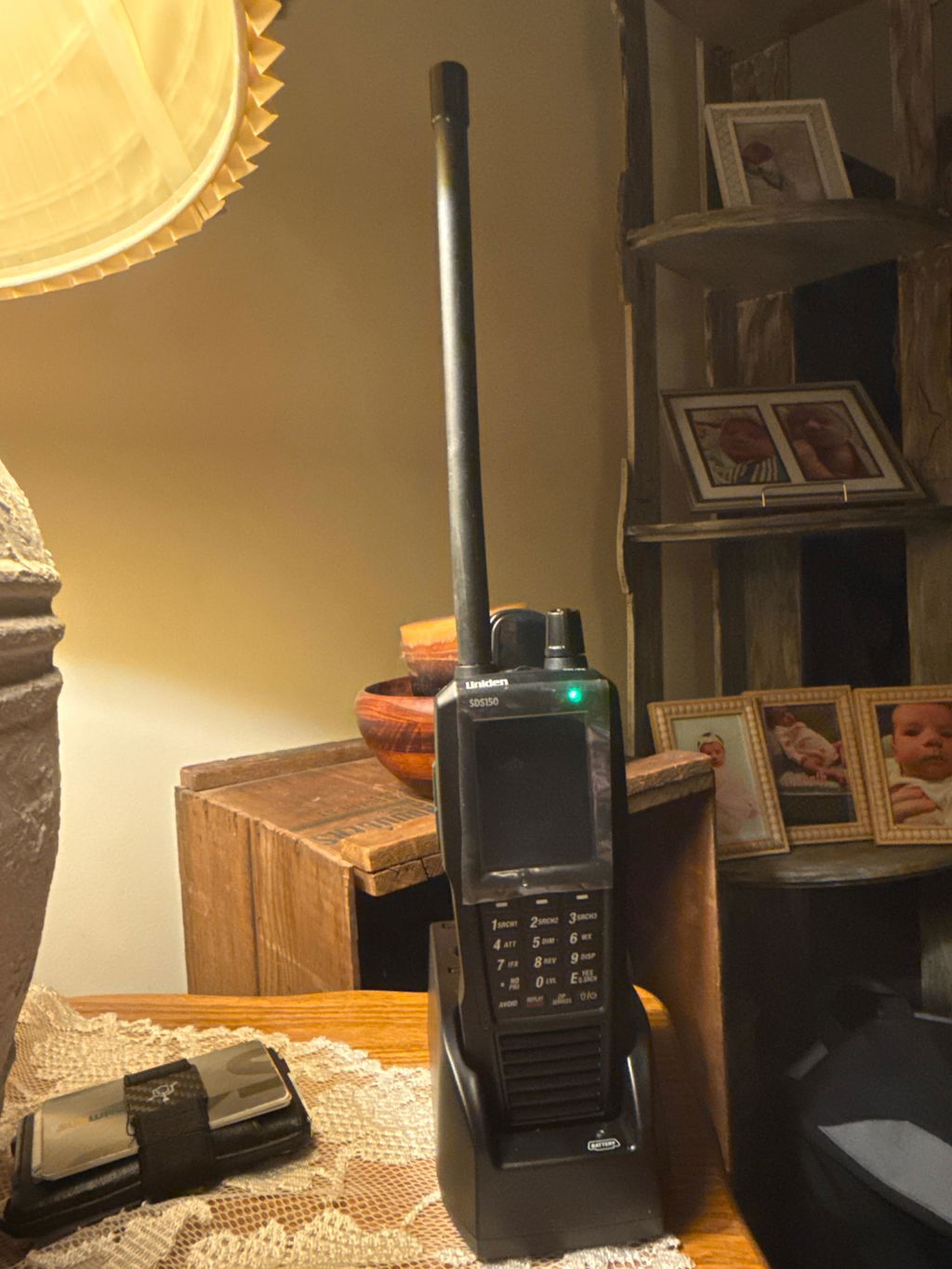
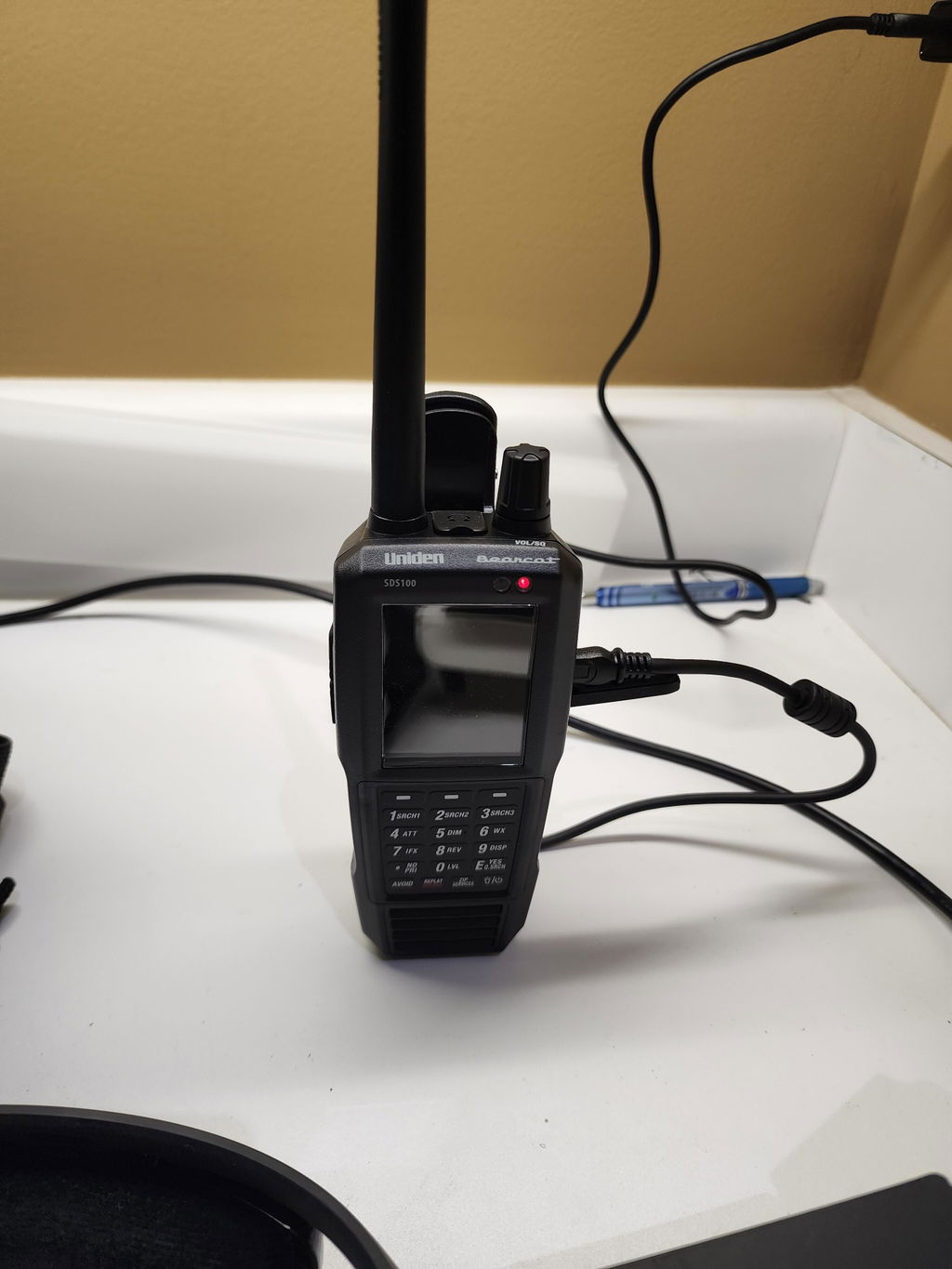
Because the whole state runs on one P25 trunked system, Michigan is a rare case where the same two scanners make sense whether you live in Ann Arbor or Marquette. We recommend the Uniden SDS150 as the primary pick, with the SDS100 as a capable step-down.
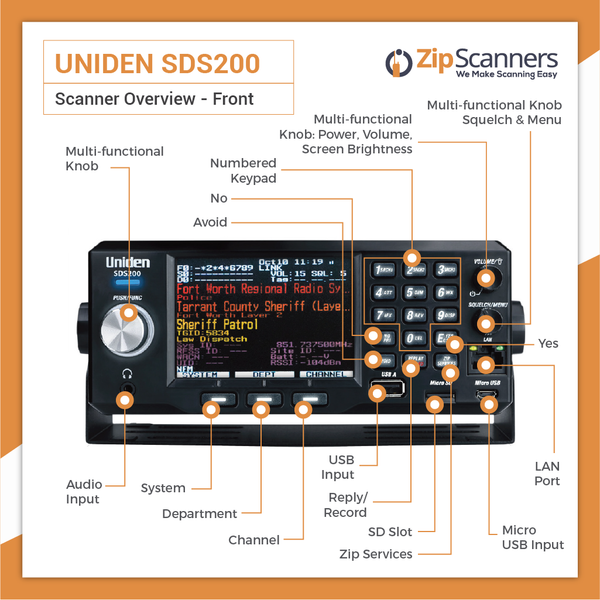
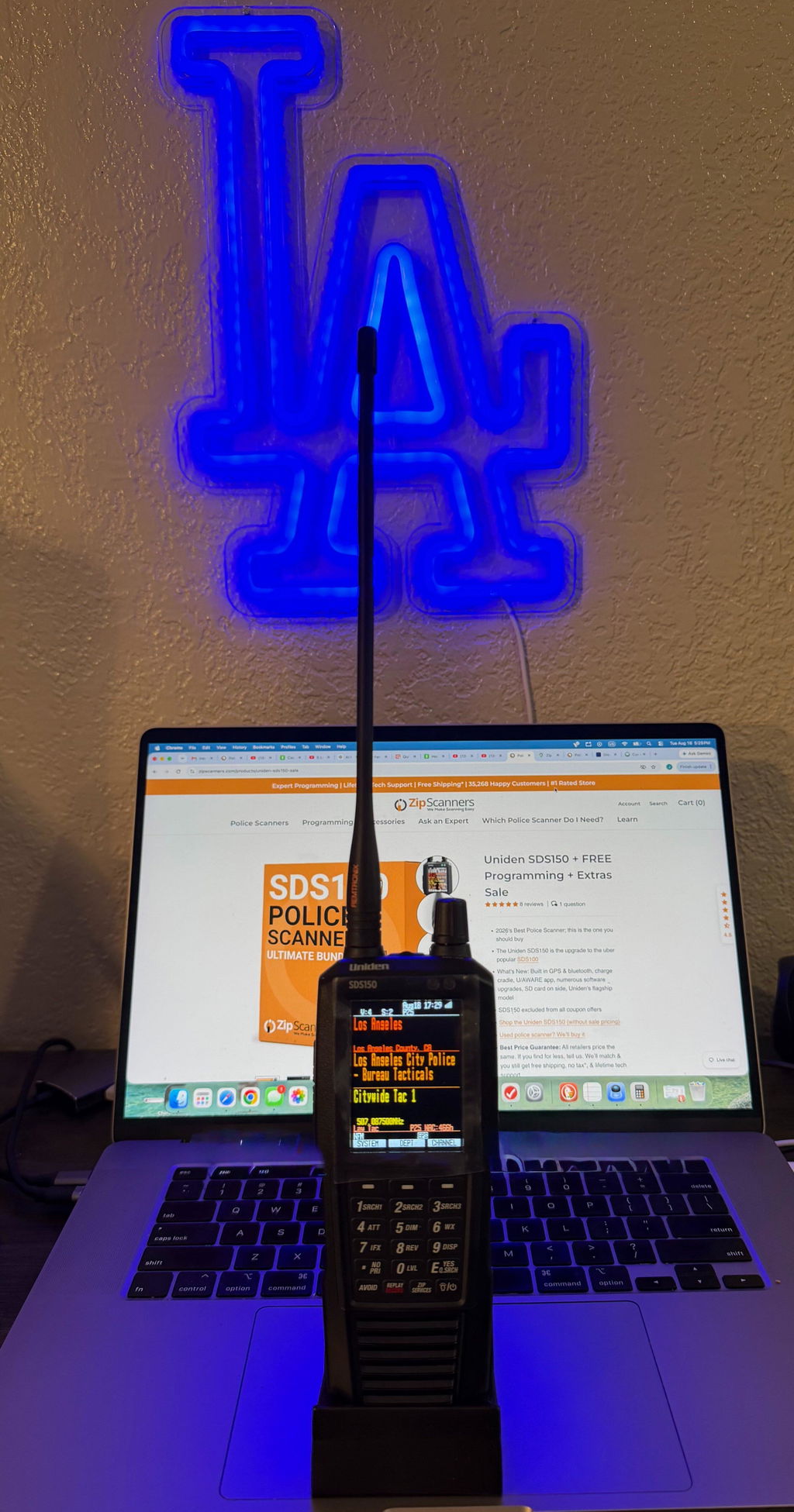
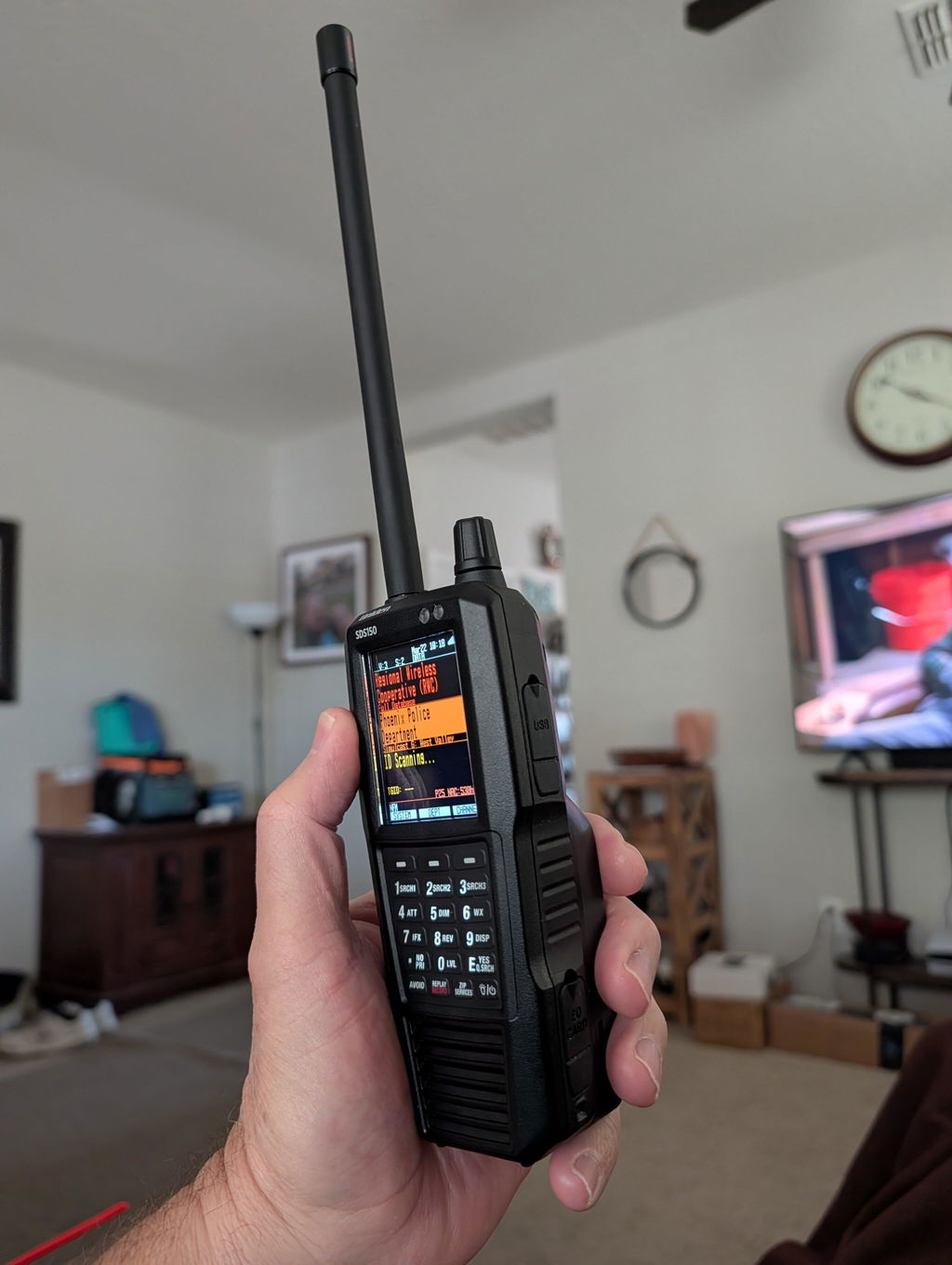
Uniden SDS150 Police Scanner
Built-in GPS, True I/Q simulcast handling, and phone control make this the easiest way to track MPSCS across Michigan, especially if you cross county or peninsula lines often.
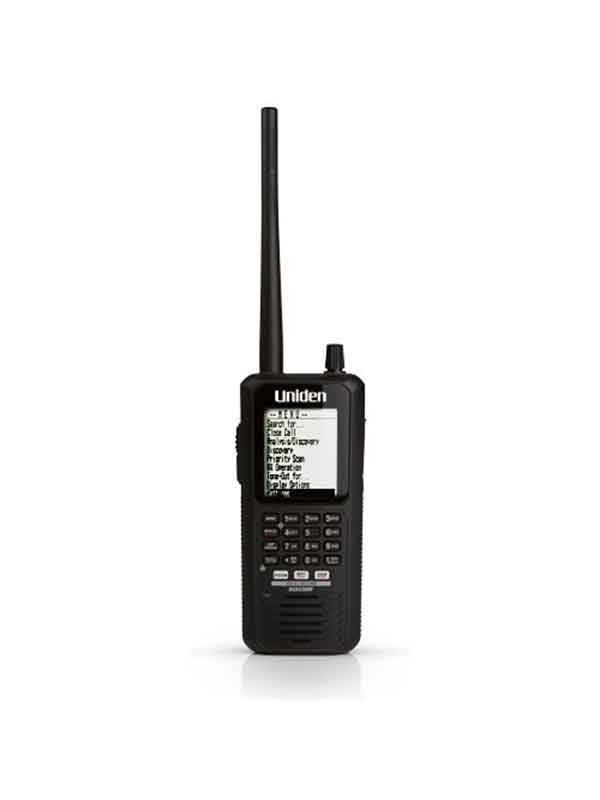
View the SDS150Uniden SDS100 Police Scanner
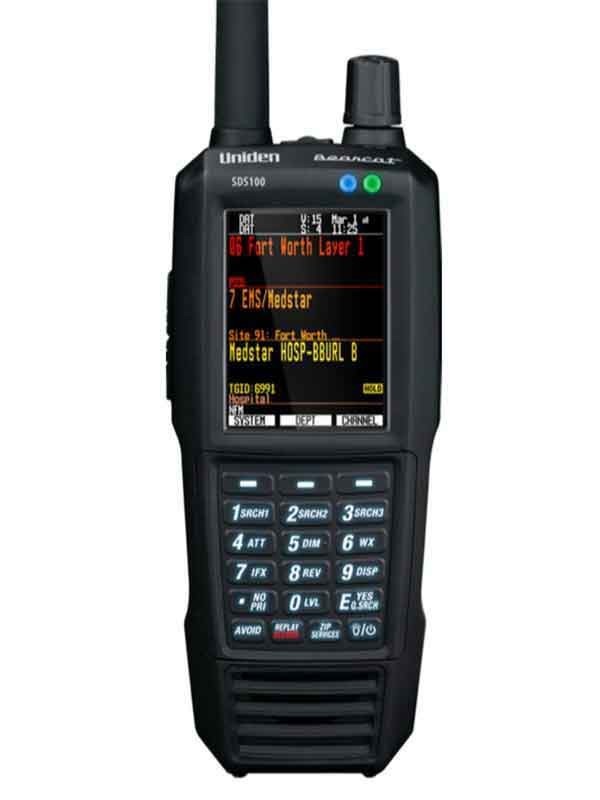
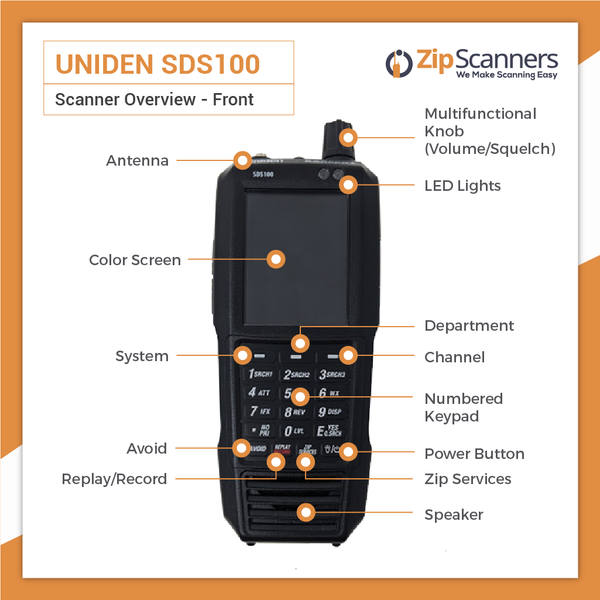
Same True I/Q decoding and P25 Phase 1/2 support as the SDS150, in a lighter handheld body, a smart choice if you do not need built-in GPS or phone control.
View the SDS100Both use Uniden’s True I/Q platform, which matters in Michigan specifically because MPSCS relies on simulcast, meaning multiple towers broadcast the same talkgroup on the same frequency, especially in dense coverage areas like Wayne County. True I/Q handles that kind of simulcast distortion far better than older scanner platforms, which is the difference between clear audio and a garbled, phased mess in exactly the areas carrying the most traffic.
What Else to Know Before You Buy
A few Michigan-specific details worth knowing before you program a scanner:
Built-in GPS matters more here than in a single-city state. The SDS150’s GPS automatically loads the right talkgroups as you cross from one MPSCS site to the next, useful if you split time between Detroit and a cabin up north. The SDS100 supports GPS too, but only through an external accessory.
You do not need a different scanner for the Upper Peninsula versus downstate. Because MPSCS is one system statewide, whatever you program in Lansing keeps working if you drive to Sault Ste. Marie. Only the list of unencrypted talkgroups changes from county to county.
Living near an encrypted county does not mean going silent. Your scanner will still pick up fire, EMS, public works, and mutual aid traffic on the same system, since Michigan applies encryption selectively rather than locking down the entire MPSCS network at once.
Watch: Zip Scanners on YouTube
For setup walkthroughs, programming tips, and real scanning footage, the Zip Scanners YouTube channel is a trusted video resource, with new state guides added regularly.
Watch on YouTubeFrequently Asked Questions
What is Michigan’s statewide police radio system called?
Michigan’s Public Safety Communications System, or MPSCS. It is a P25-compliant, 800/700 MHz trunked network built on Motorola’s SmartZone platform, and it covers all 83 counties.
Is police radio encrypted in Michigan?
It depends on the county. Oakland, Kent, Genesee, Lapeer, Ottawa, and Allegan counties currently run encrypted police channels, with partial encryption in Calhoun and Jackson. Most other counties, including most of the Upper Peninsula and northern Lower Peninsula, remain open as of this writing.
Can I listen to Detroit police on a scanner?
Detroit Police operate on MPSCS rather than an independent system, but Wayne County has been reported to be moving toward encryption. Check RadioReference for the current status before buying a scanner based on Detroit access alone.
Does the Uniden SDS150 work with MPSCS?
Yes. Both the SDS150 and SDS100 decode P25 Phase 1 and Phase 2 natively and handle the simulcast sites MPSCS relies on in dense coverage areas.
Do I need different scanners for the Upper and Lower Peninsula?
No. MPSCS is a single statewide system, so the same scanner and programming works in both peninsulas. Only the specific talkgroups you can hear will change from county to county.
Not Sure Which Scanner Fits Your County?
Book a free call with our team and we will help you choose and program the right scanner for your exact location in Michigan.
Book a CallStay up to date as we add new Michigan scanner coverage and state guides: