|
Best Police Scanner for Maryland: Frequencies, Systems & Recommendations
|
|
Maryland's radio setup looks simple from a distance: one state, one statewide network. Look closer and it is more layered than that. Most counties ride on Maryland FiRST, the state's own P25 trunked system, while several of the largest jurisdictions, including Montgomery County, Anne Arundel County, and Prince George's County, run separate P25 networks of their own. Add a growing list of counties that have moved police traffic behind encryption in the last few years, and picking the right scanner for Maryland takes a little more homework than a single system state would. Here is what is actually running across the state, what you can expect to hear county by county, and which Uniden model gets the most out of it.
|
Maryland's Statewide Backbone: Maryland FiRST
|
|
Maryland FiRST (First Responder Interoperable Radio System Team) is the state's core public safety network. It is a statewide APCO Project 25 Phase II system operating in the 700 MHz band, built and maintained by the Maryland Department of Information Technology. More than 33,000 first responders use it as their primary radio system, with close to 94,000 additional users logging in for interoperability when they cross into another jurisdiction. Over 130 state agencies, counties, municipalities, and federal partners tie into it in some form, which is how a State Police unit near Deep Creek Lake can talk directly to a counterpart working Ocean City on the opposite end of the state.
For scanning purposes, the modulation matters more than the coverage map. Maryland FiRST runs on P25 Phase II TDMA, a digital format that only a subset of consumer scanners can decode at all, before encryption ever enters the conversation. That one spec rules out most budget and older generation scanners right away.
|
Counties Running Their Own System
|
|
Not every Maryland jurisdiction relies on Maryland FiRST alone. Several of the state's largest counties operate independent P25 trunked systems that interoperate with the statewide network rather than sit on top of it:
|
| • Montgomery County built its own Motorola P25 system as part of a $42 million upgrade, with mutual aid interoperability into Maryland FiRST. |
| • Anne Arundel County runs a twelve channel Motorola ASTRO25 P25 Phase II TDMA system at 800 MHz, alongside the Maryland FiRST 700 MHz layer. |
| • Prince George's County operates its own 700/800 MHz Motorola P25 TDMA network, shared with more than 30 municipal agencies and the county school system. |
| • St. Mary's County maintains an independent system integrated with Maryland FiRST and is currently migrating to a next generation P25 platform. |
Everywhere else, from Garrett and Allegany counties in the west to the Eastern Shore, agencies run as primary or interoperability users directly on Maryland FiRST.
|
Encryption in Maryland: What You Can (and Can't) Hear
|
|
Call Maryland's encryption picture moderate and moving. A handful of large agencies have gone fully encrypted in the last few years. Baltimore City Police switched over in July 2023 and now offers the public a 15 minute delayed feed through Broadcastify instead of live audio. Montgomery County Police and Anne Arundel County Police have since encrypted their channels too, and Harford County Sheriff's Office completed its own transition in 2024. RadioReference tracks more than 15 Maryland law enforcement agencies now running full encryption, and that list keeps growing.
Most of the state is still listenable, though. Prince George's County, for example, keeps the majority of its talkgroups unencrypted, though they still require a Phase II TDMA capable scanner to decode at all. Fire and EMS dispatch remains open in nearly every Maryland county, encrypted police departments included, since public safety agencies nationwide have been far slower to encrypt medical and fire traffic than law enforcement.
Encryption status shifts by county and sometimes by individual talkgroup, so it is worth checking your specific county on RadioReference before you buy.
|
| County / Area |
Radio System |
What You Can Hear |
| Baltimore City |
Own P25, FiRST interop |
Police encrypted since 2023; 15-min delayed public feed |
| Montgomery County |
Own P25, FiRST interop |
Police encrypted; fire and EMS open |
| Anne Arundel County |
Own P25 Phase II TDMA + FiRST |
Police encrypted after P25 upgrade |
| Prince George's County |
Own P25 Phase II TDMA, FiRST interop |
Mostly unencrypted; TDMA scanner required |
| Harford County |
Maryland FiRST |
Sheriff's Office encrypted (2024) |
| Baltimore County |
Maryland FiRST |
Largely open; verify current talkgroups |
| Howard County |
Maryland FiRST |
Largely open; verify current talkgroups |
| St. Mary's, Calvert & Charles |
Local systems + FiRST |
Mostly open; migrating to NextGen P25 |
| Western MD & Eastern Shore |
Maryland FiRST |
Generally open, especially fire and EMS |
Status changes throughout the year. Confirm your county on RadioReference before you buy or program a scanner.
|
Best Police Scanners for Maryland
|
|
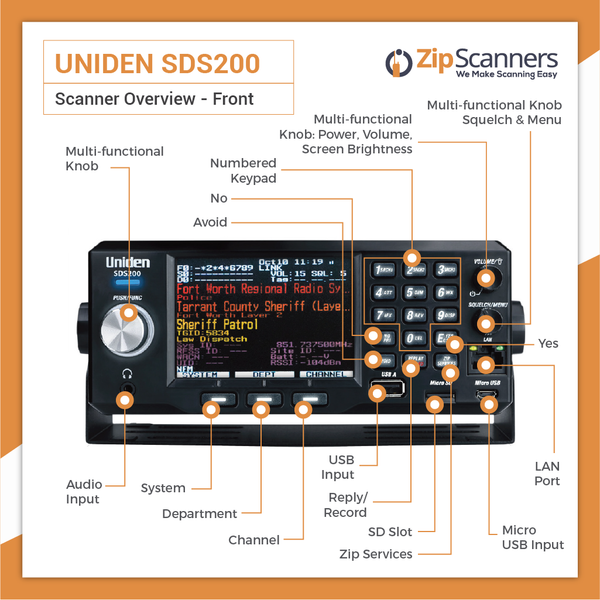
Because Maryland's law enforcement traffic runs on P25 Phase II TDMA, encrypted or not, the scanner you pick matters more here than it would in an all analog state. Two Uniden models are built to handle it.
|
|
Zip Scanners Recommended
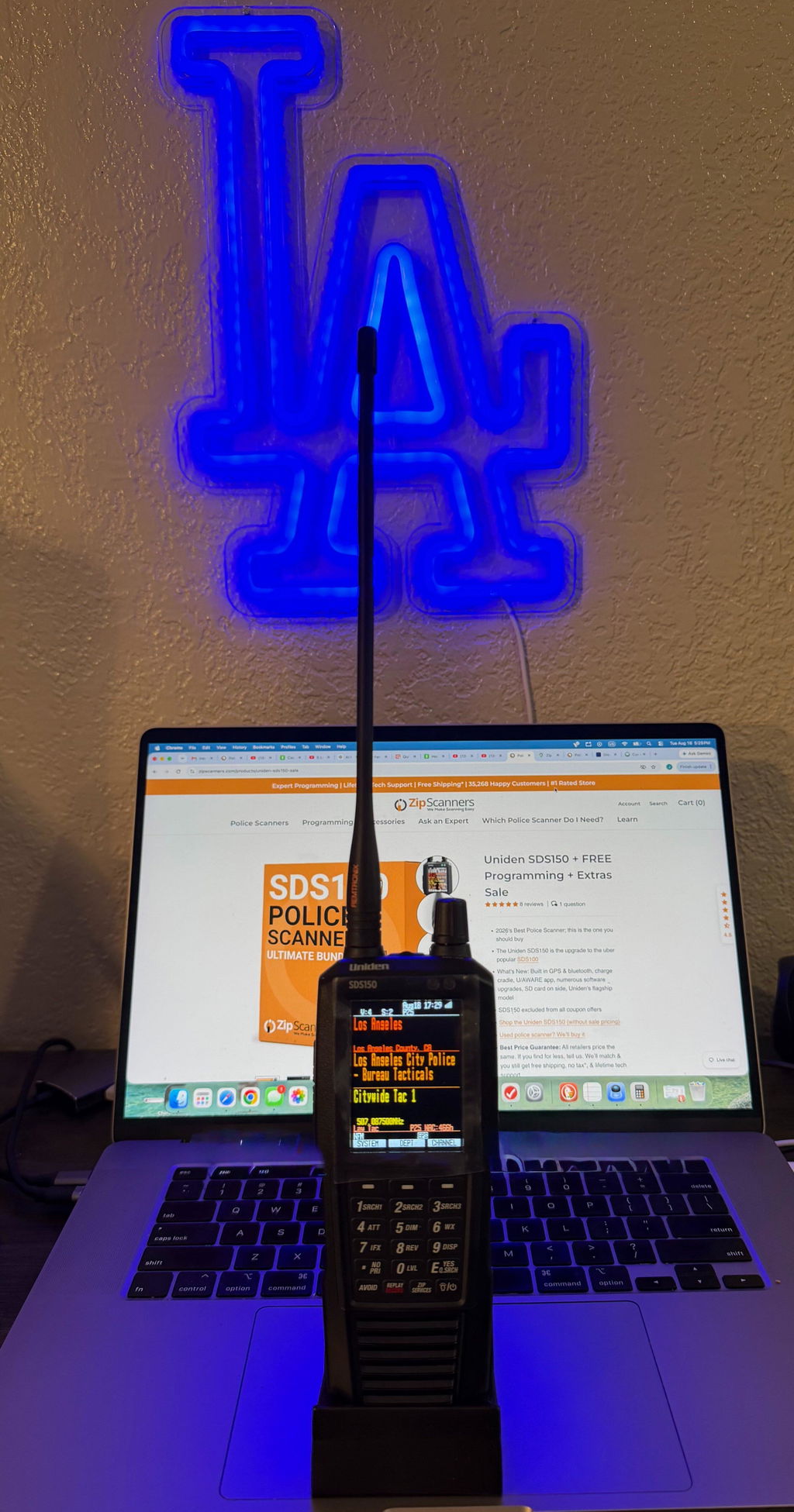
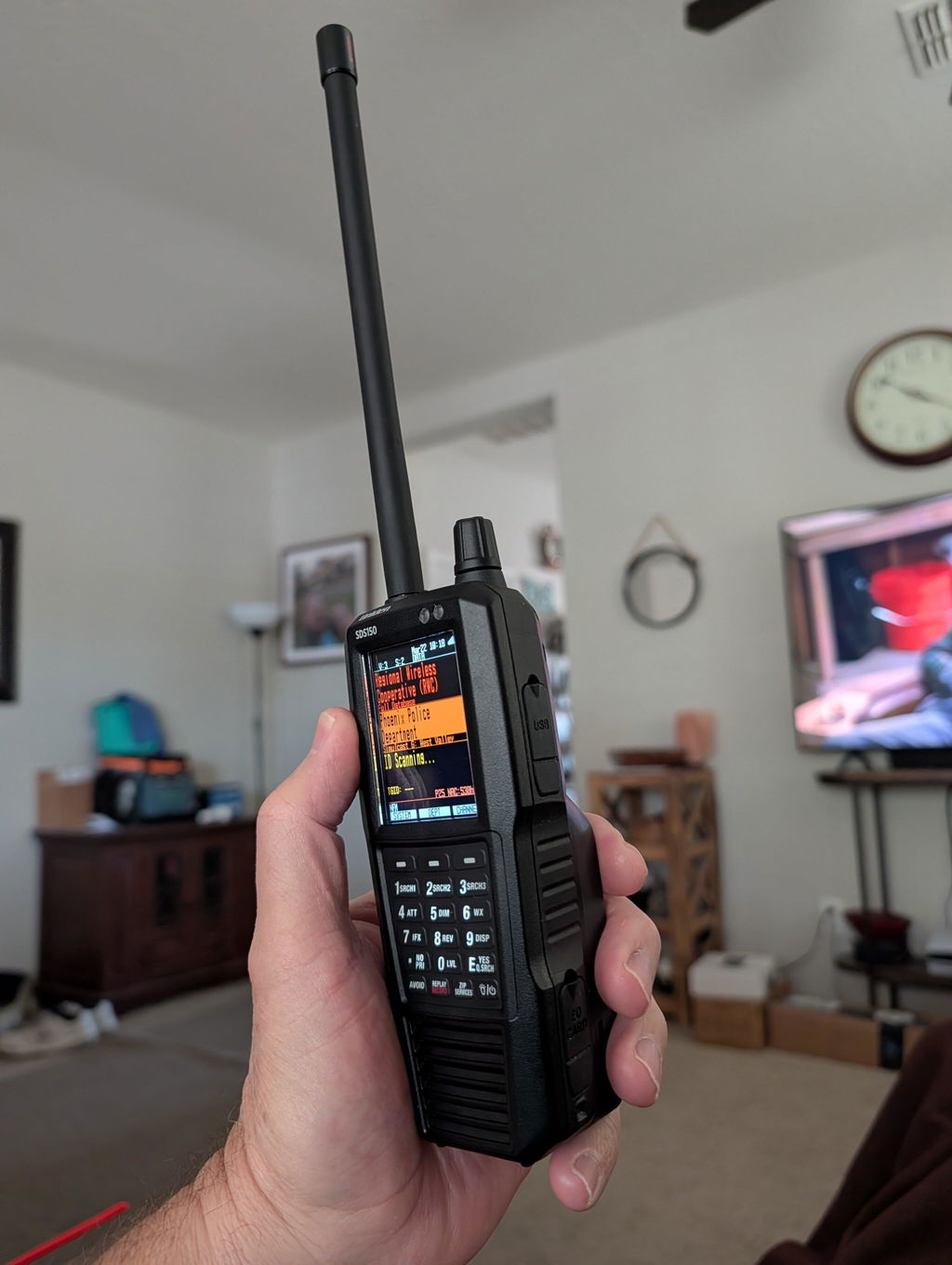
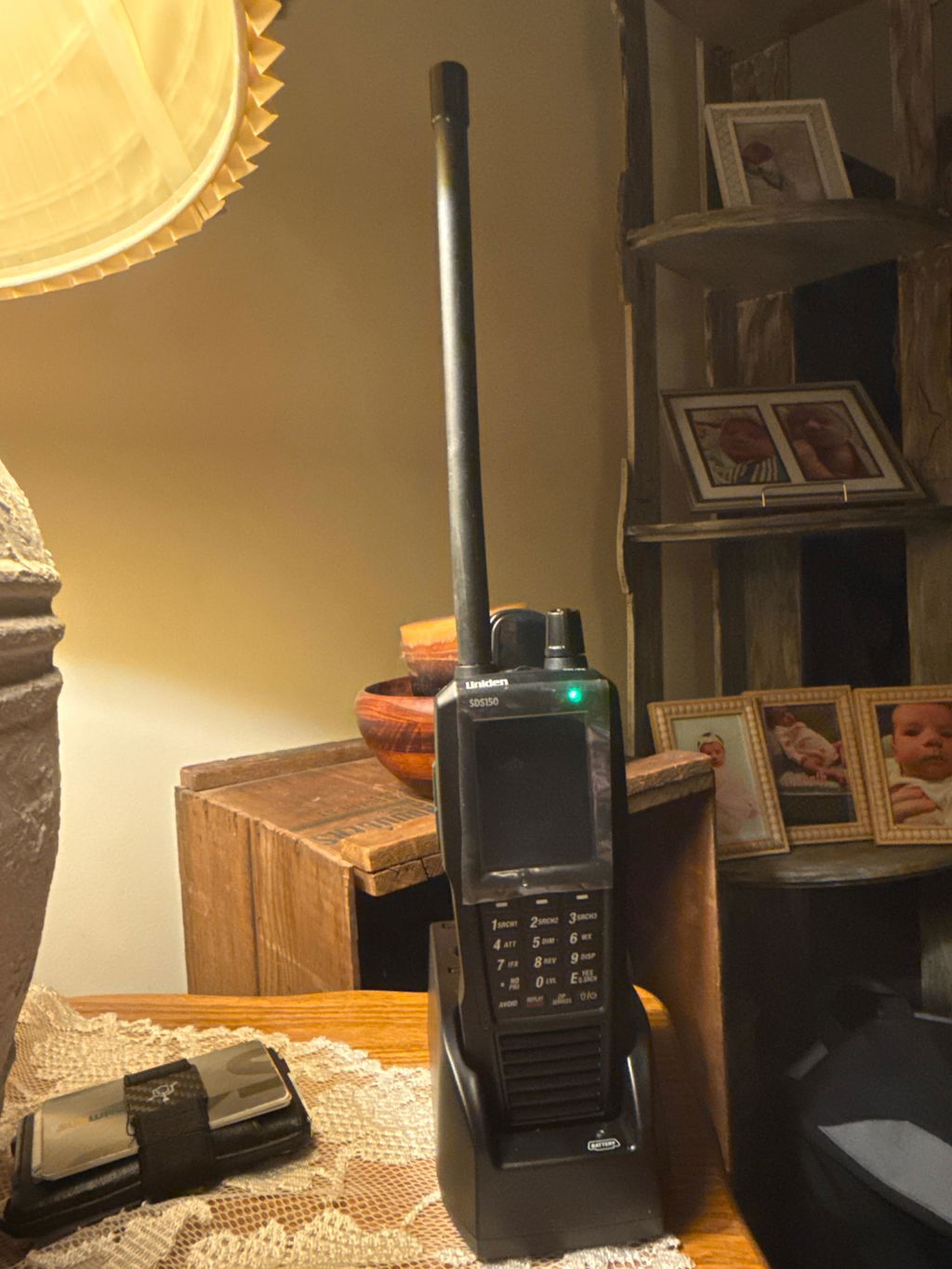
Uniden SDS150
Built in GPS switches talkgroups automatically as you cross from one Maryland system into another, which matters on a commute that touches Maryland FiRST, Anne Arundel, and Baltimore City in the same drive. Full P25 Phase I and Phase II TDMA support, bigger display, and phone app control.
Shop the SDS150
|
|
|
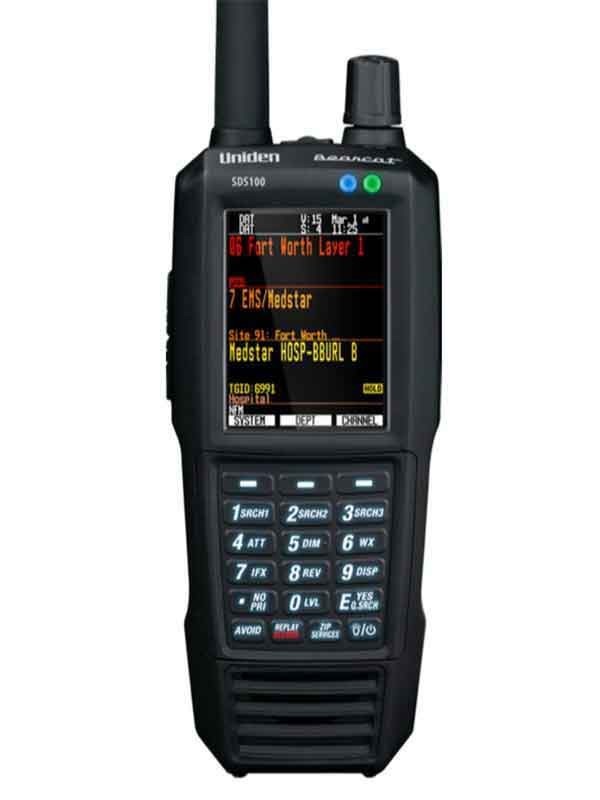
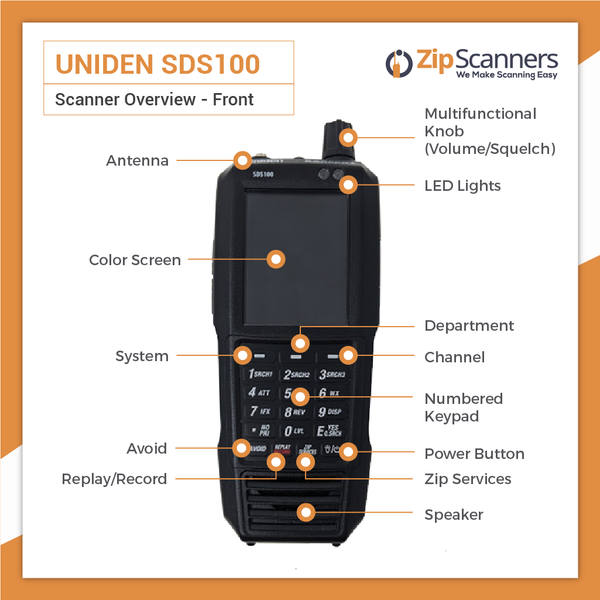
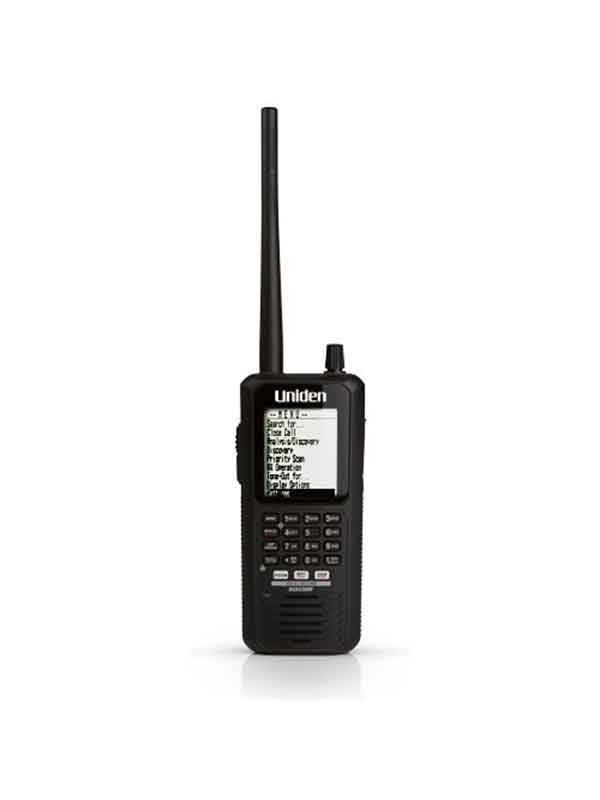
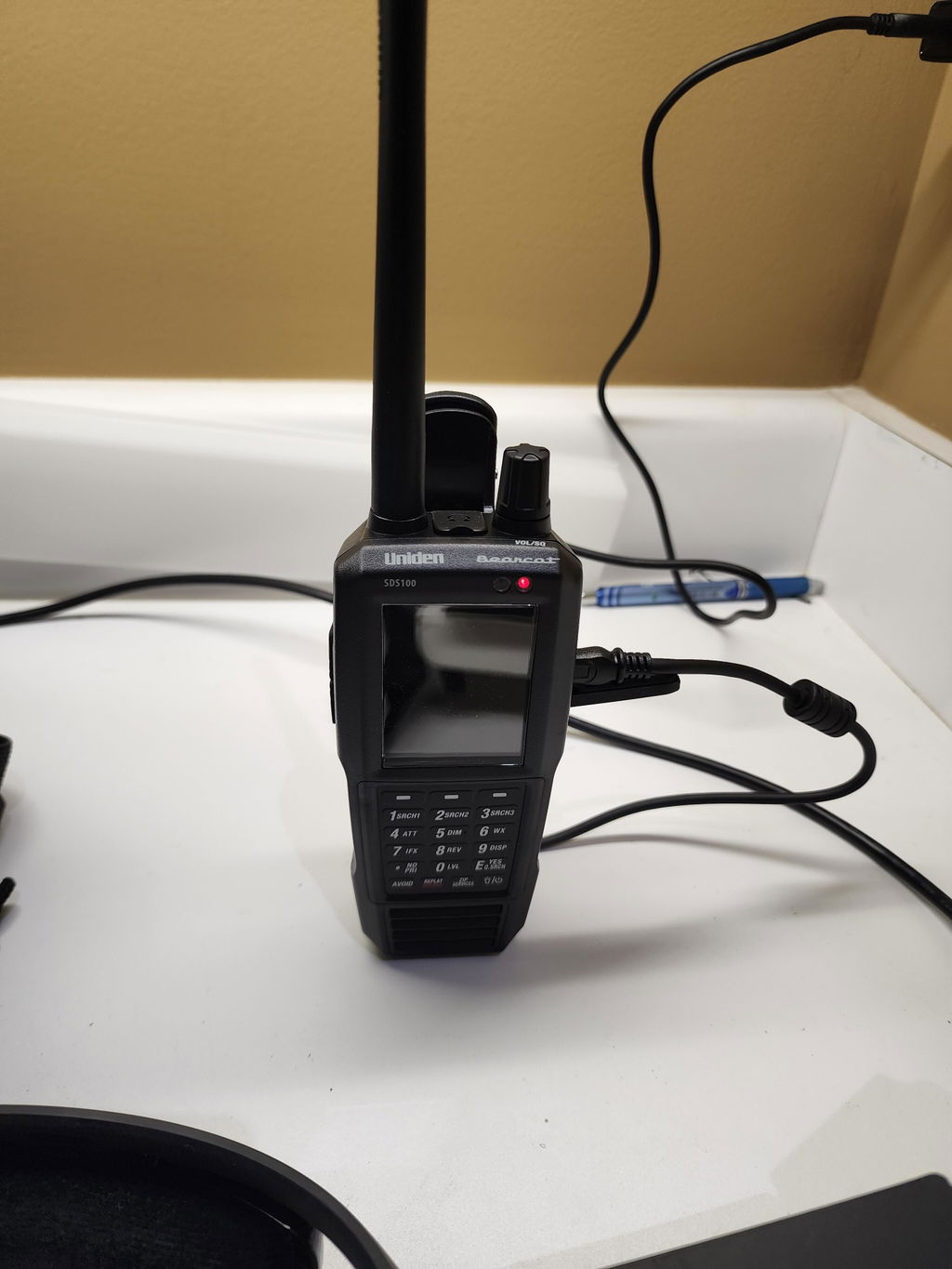
Uniden SDS100
The same True I/Q decode engine in a pocketable handheld, at a lower price. A strong fit if you mainly monitor one Maryland county from a fixed spot and do not need the SDS150's travel-ready GPS switching.
Shop the SDS100
|
|
|
Both models track Maryland's trunked systems correctly, encrypted or not. The choice comes down to portable versus fixed use. For the full breakdown, see our SDS150 vs. SDS100 comparison.
|
Getting Your Scanner Set Up
|
|
Programming Maryland FiRST or a county system is not as simple as entering a frequency, since trunked systems assign talkgroups on the fly instead of sticking to one channel. Loading the right system ID, site, and talkgroup list from RadioReference before you start will save a lot of trial and error. Prefer to skip that step entirely? Our programming service loads your scanner with the correct Maryland system data and priority talkgroups before it ships.
Add Scanner Programming
|
Watch It Set Up
|
|
Zip Scanners on YouTube
Real programming walkthroughs and product reviews, including trunked systems like Maryland FiRST, straight from our own channel.
Watch on YouTube
|
|
More Maryland Scanning Resources
|
|
For live talkgroup lists and county level detail beyond what fits here, these RadioReference resources are kept current by the scanning community:
|
|
Not Sure Which Scanner Fits Your County?
Book a free call and we will walk through your county's system and the right setup for it.
Book a Free Call
|
|
Frequently Asked Questions
|
|
Is it legal to own a police scanner in Maryland?
Yes. Maryland has no blanket ban on scanner possession or use, including in a vehicle, unlike a handful of other states. Listening to unencrypted public safety radio is protected under federal law. See our full state by state legal guide for the details.
Can a scanner pick up encrypted Maryland police channels?
No. AES encryption cannot be decoded by any consumer scanner, regardless of price. If your county's police department has gone encrypted, Baltimore City, Montgomery County, and Anne Arundel County currently, you will still get fire, EMS, and most public works traffic on the same scanner.
What scanner works best with Maryland FiRST?
Anything you buy needs P25 Phase II TDMA support at minimum, since that is what Maryland FiRST and several county systems run on. The Uniden SDS100 and SDS150 both handle it natively.
Which Maryland counties are currently encrypted?
Baltimore City, Montgomery County, Anne Arundel County, and Harford County have moved to full encryption for police radio as of this writing. That list is growing, so check your specific county on RadioReference before buying.
Do I need a special antenna for Maryland?
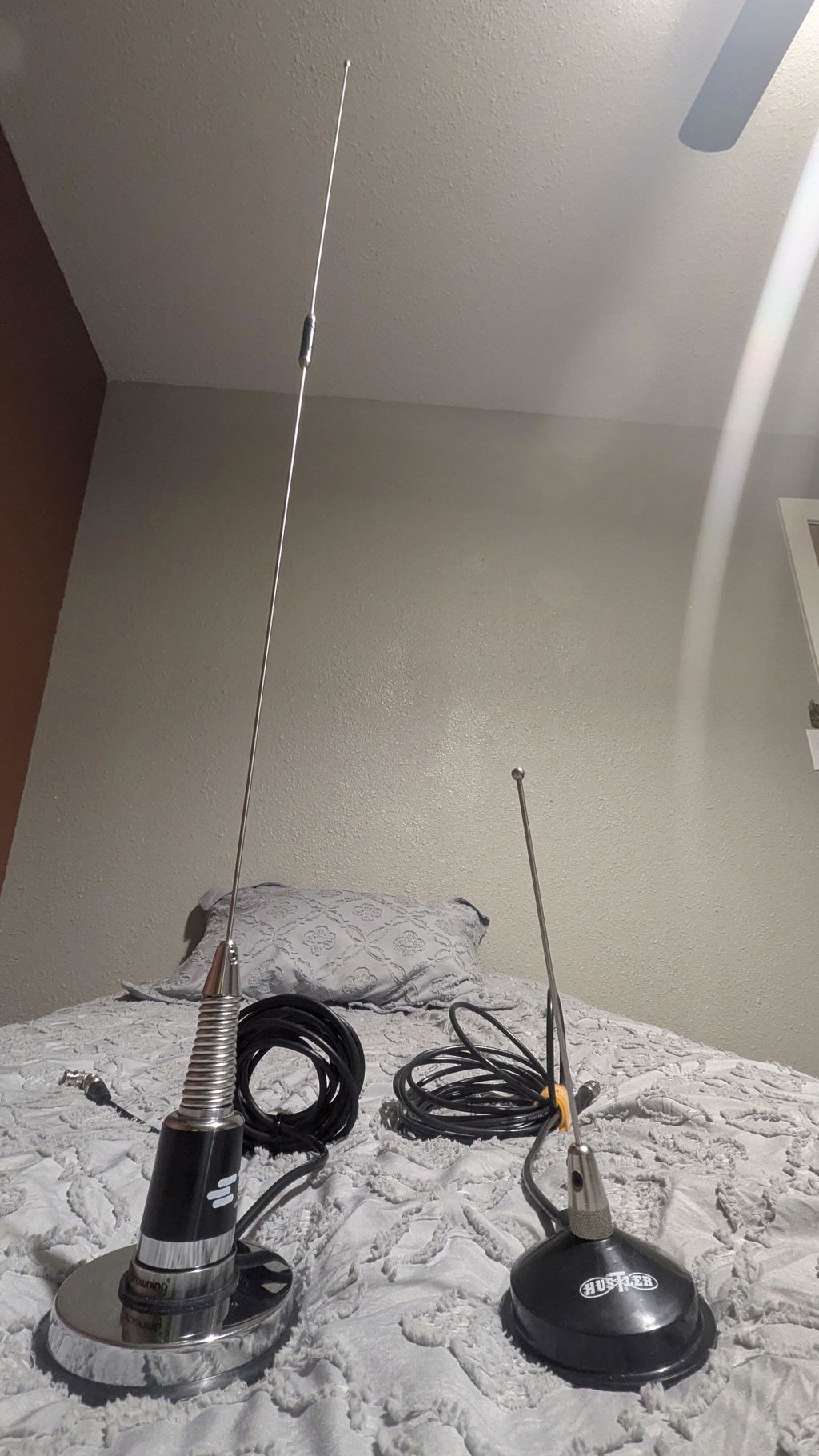
The stock antenna works fine for most suburban and urban listening. In Western Maryland's mountains or on the fringe of a coverage cell, an upgraded outdoor or discone antenna will noticeably improve reception.
How do I program my scanner for my county?
You will need the correct system ID, site, and talkgroup list for Maryland FiRST or your county's own system, all available through RadioReference. If you would rather skip the setup, our programming service loads it for you before it ships.
|
Get Maryland Frequency Updates
Encryption status and system changes shift throughout the year. Sign up and we will let you know when something changes in your county.
|
|
|