Best Police Scanner for Hawaii: Frequencies, Systems & Recommendations
Best Police Scanner for Hawaii: Frequencies, Systems & Recommendations
Hawaii is not like scanning the mainland. Instead of one state system, you are working with four island counties that each run their own public safety network, plus a newer statewide layer that ties the islands together during major incidents. Add mountain terrain, volcanic ridgelines, and open ocean between islands, and it is easy to see why picking the right scanner and the right target system matters more here than almost anywhere else in the country. This guide breaks down Hawaii's statewide interoperability system, what each county actually runs day to day, how much of it is encrypted, and which Uniden scanner gives you the best shot at following the action from Honolulu to Hilo.
Hawaii's Statewide System: HIWIN
The Hawaii Wireless Interoperability Network, known as HIWIN, is the state's P25 trunked and microwave linked backbone, managed by the Office of Enterprise Technology Services. It connects more than 45 remote radio sites across the islands and is built to keep running through hurricanes and extended power outages.
HIWIN is not the everyday dispatch channel for any single police department. Think of it as the layer agencies switch to when a wildfire, hurricane, or multi-island incident requires Oahu, Maui, Kauai, and Hawaii County units to talk directly to each other. An older military driven system called PACMERS serves a similar role for federal and joint agency traffic. Day to day dispatch still runs on each county's own system, which is where things get interesting.
County by County: What Each Island Runs
Honolulu County (Oahu)
The City and County of Honolulu runs a P25 Phase II 800 MHz simulcast system built by Motorola, which replaced the department's older analog and EDACS setup. Police and fire dispatch on this system are now encrypted, so day to day HPD and HFD chatter is not something a scanner can pull in, no matter how new it is. The upside is that TheBus, Honolulu's rail authority, and several other county divisions still run unencrypted on the same P25 network, and aviation, marine, and interoperability traffic around Oahu remain fully open.
Maui County (Maui, Molokai, Lanai)
Maui County operates its own regional P25 Phase II trunked system covering all three islands under one dispatch structure. Unlike Oahu, Maui has not moved to blanket encryption, so a P25 capable scanner loaded with a current talkgroup list can follow live police, fire, and EMS coordination across the county. Terrain shadows in the valleys and along ridgelines are the bigger obstacle here, not encryption.
Kauai County
Kauai runs a P25 Phase I trunked system on the 800 MHz band, covering law enforcement, fire, EMS, ocean safety, and civil defense on one shared island wide network. Most Kauai talkgroups remain unencrypted as of this writing, though that can change with any system upgrade, so check current status on RadioReference before you invest in programming.
Hawaii County (the Big Island)
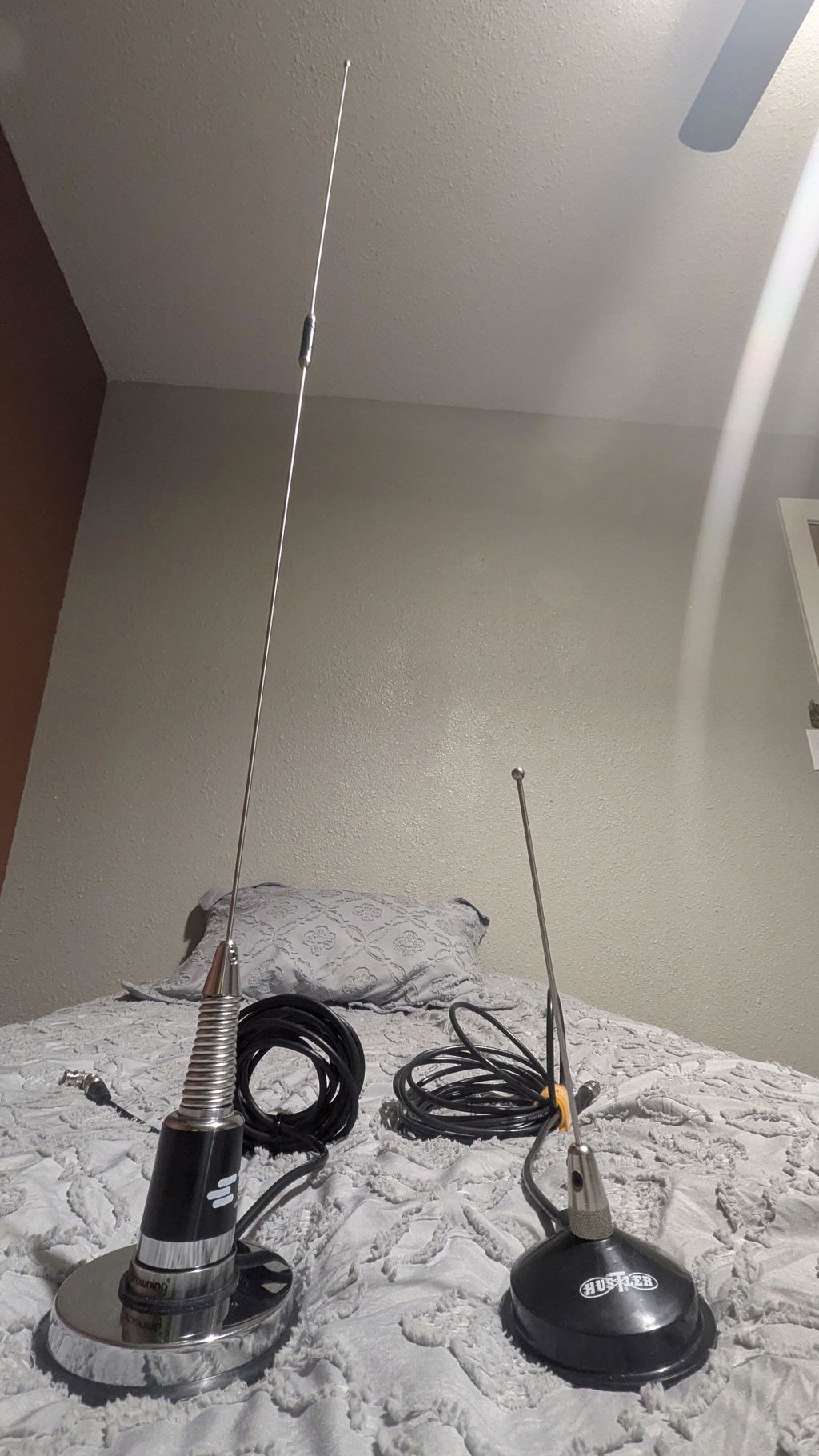
Hawaii County is the largest and most rural of the four, and its radio setup reflects that. Rather than one blanket trunked network, dispatch is split by district, including Kau, Puna, Hilo, and Kona, using a mix of conventional VHF channels and P25 Phase II digital. Hawaii Volcanoes National Park Police run their own separate P25 channel as well. Because coverage is spread across dozens of mountain and volcano sites, a scanner with strong P25 Phase II decoding and a solid external antenna matters more here than almost anywhere else in the state.
How Encrypted Is Hawaii, Really?
Overall, Hawaii sits in the moderate range for encryption. Oahu, the most populated county, has locked its police and fire talkgroups, which takes the busiest single feed in the state off the table. Maui, Kauai, and Hawaii County have not followed that path yet, and aviation, marine, weather, transit, and interoperability channels remain open statewide. If your main interest is Honolulu PD specifically, temper your expectations. If you live on or are visiting the outer islands, there is still plenty to hear.
Best Scanner for Hawaii: Our Recommendation
Because most of Hawaii's public safety traffic runs on P25 Phase I and Phase II trunked systems, with real simulcast challenges on Oahu and tough terrain everywhere else, we recommend a True I/Q digital scanner built for exactly this kind of environment.
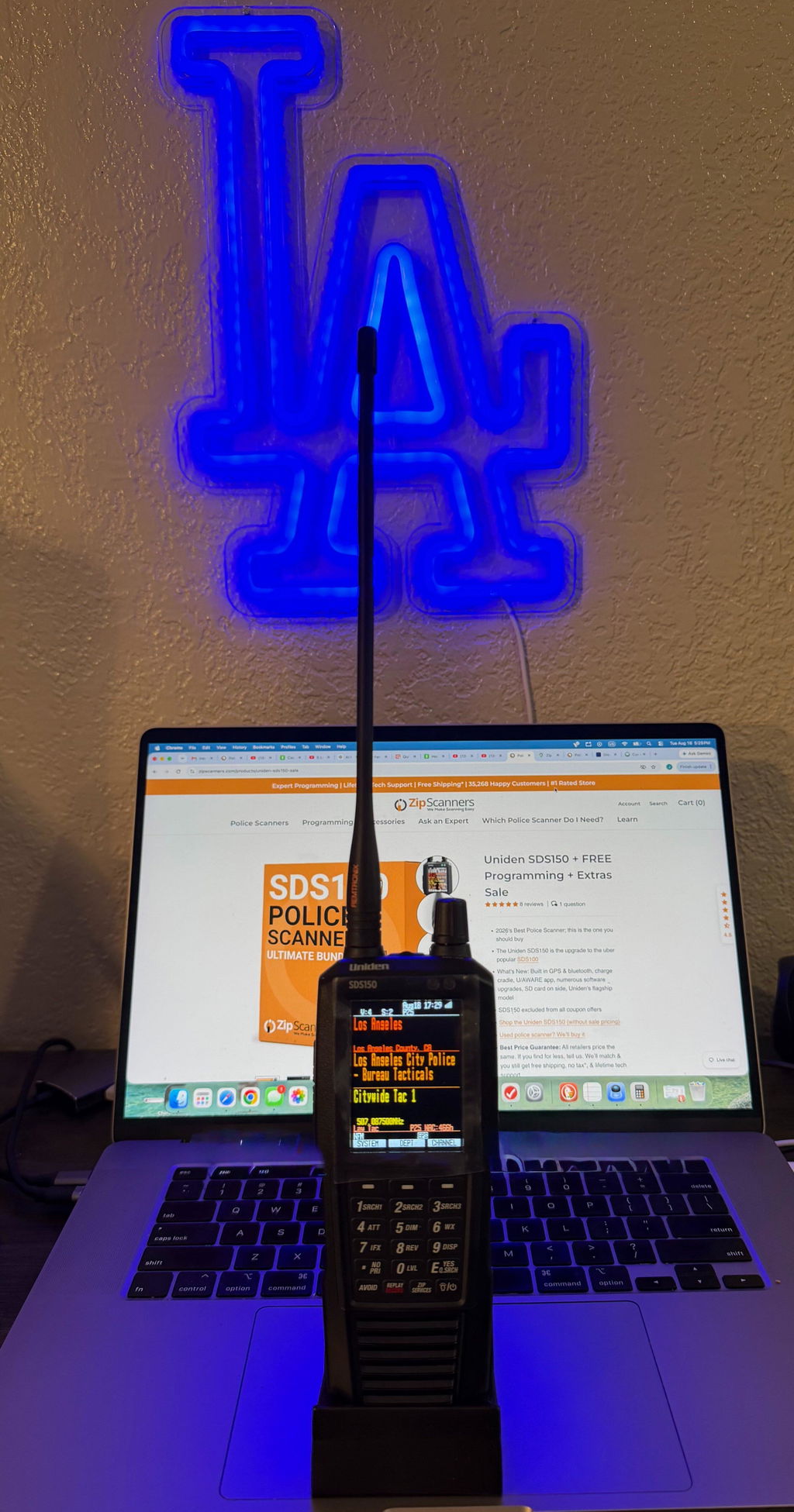
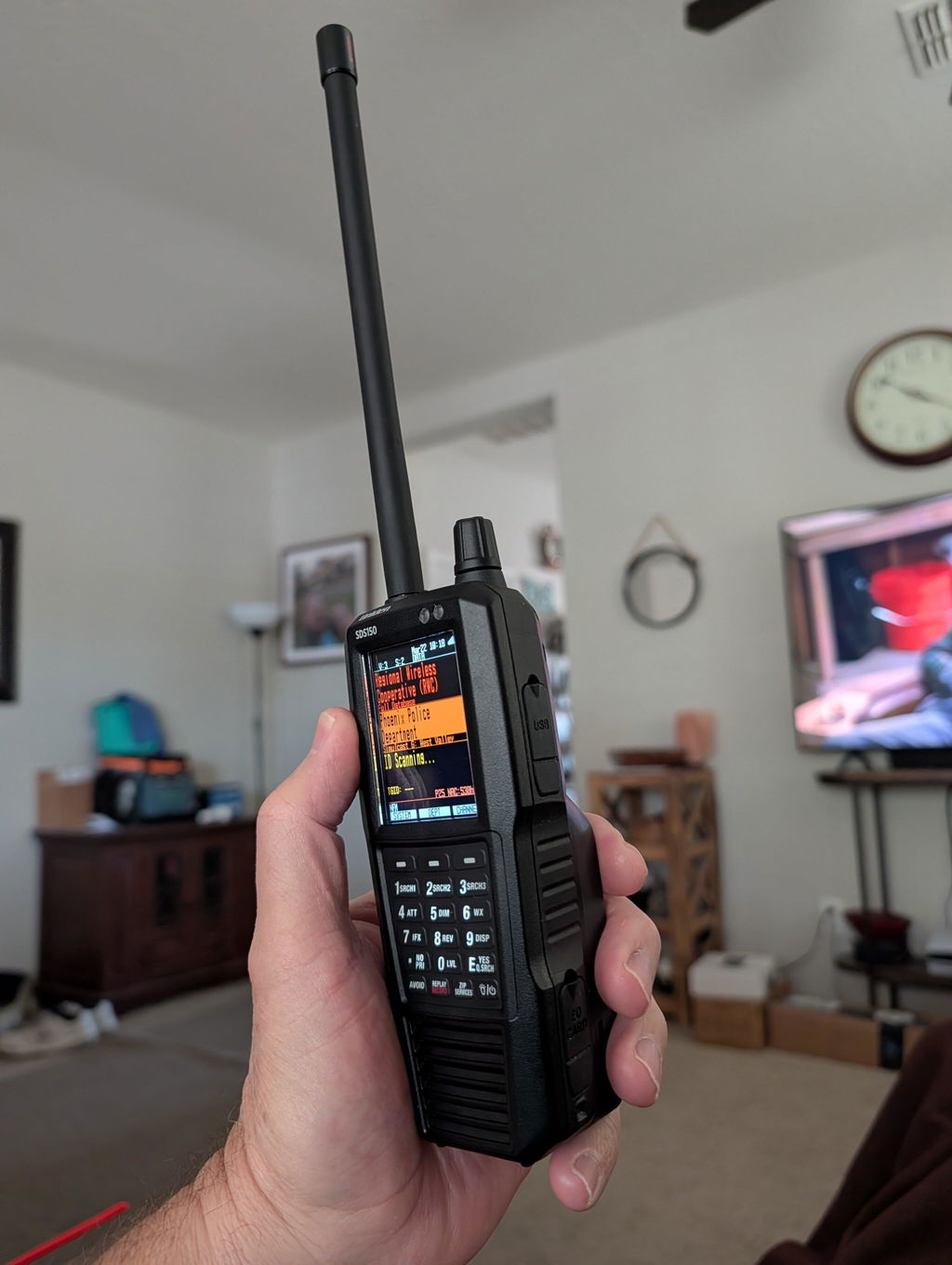
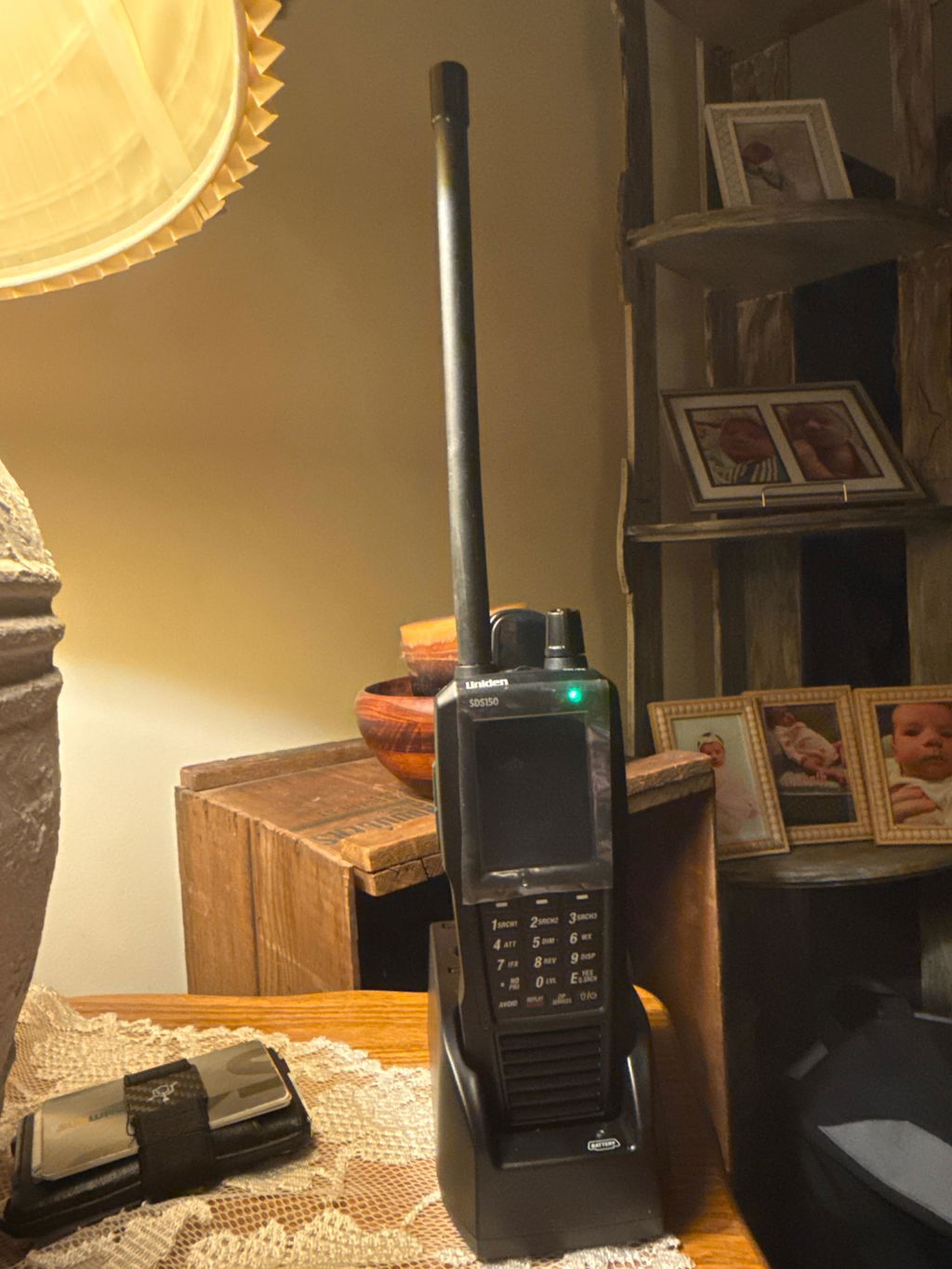
Uniden SDS150, our top pick for Hawaii. Built in GPS makes it easy to reprogram automatically as you island hop, and its simulcast handling helps cut through Oahu and Maui's dense P25 systems.
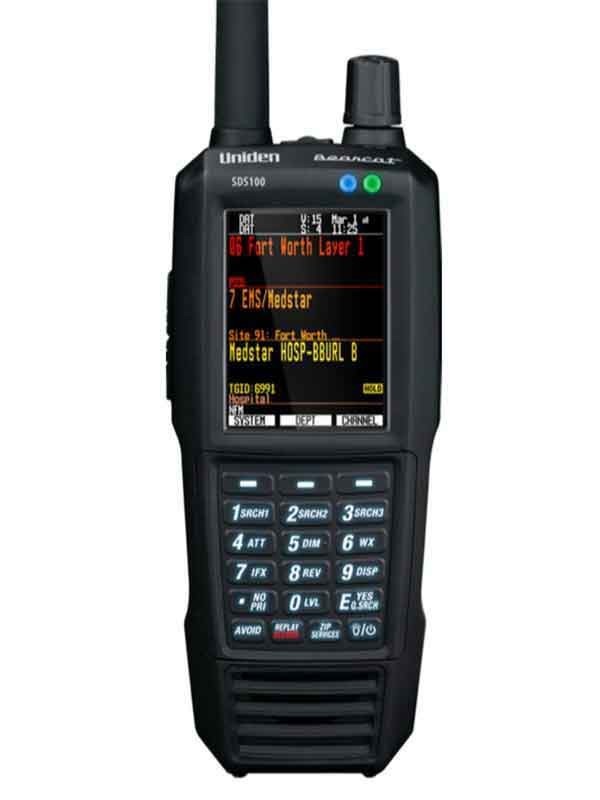
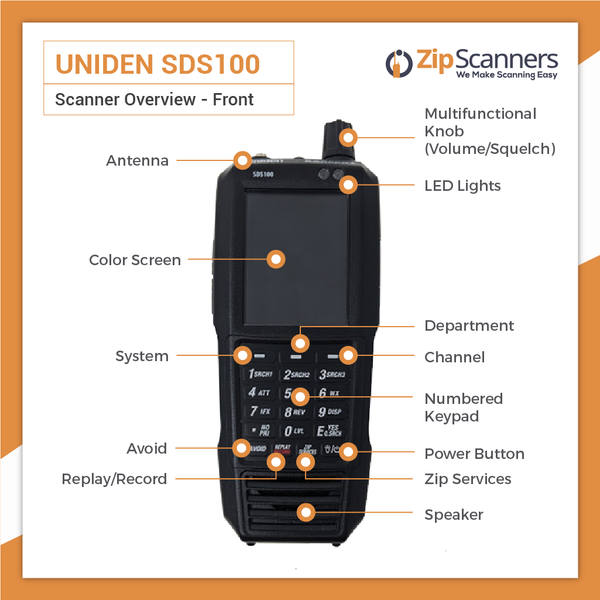
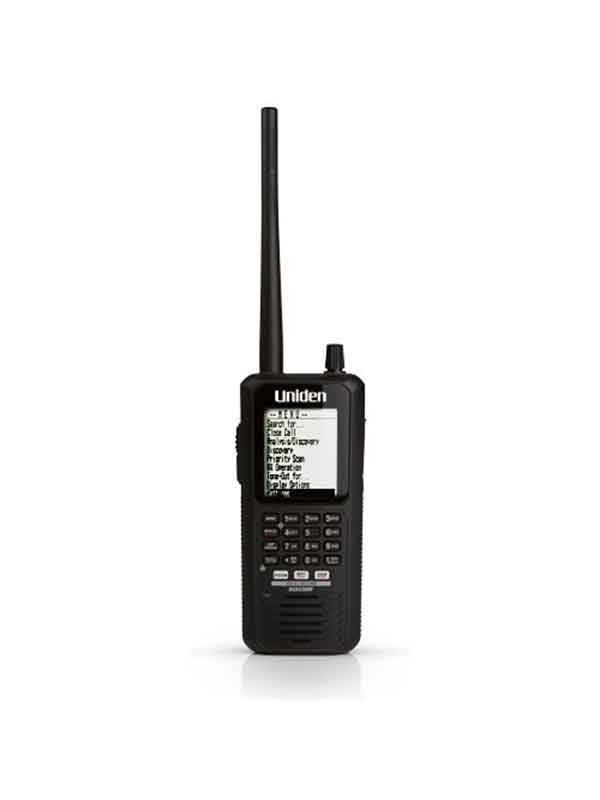
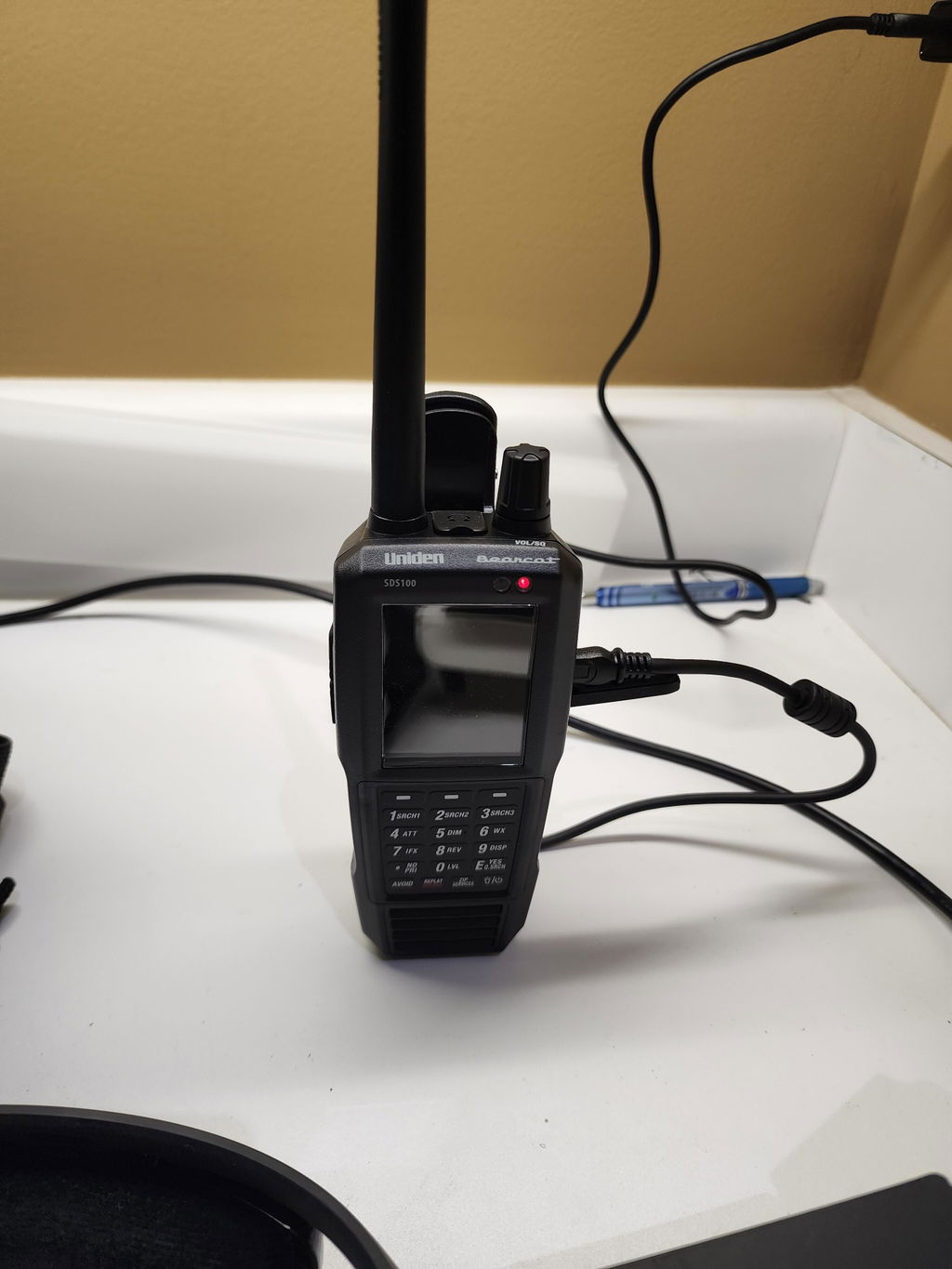
Uniden SDS100, the same True I/Q decoding core as the SDS150 at a lower price, a solid pick if you are focused on one island and do not need GPS or app control.
Either radio can be shipped preloaded for your exact district with Zip Scanners Expert Programming, so it is scanning your county's real talkgroups the moment it arrives.
Setting Up Your Scanner
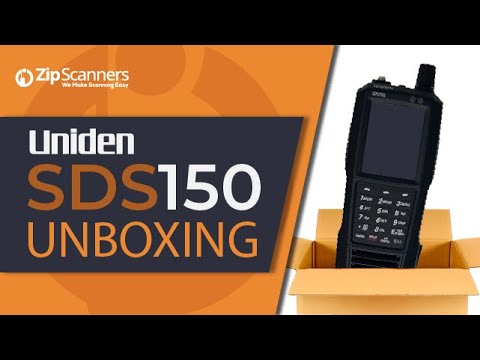
New to the SDS150 or just want to see it out of the box before you buy? Our own team walks through the unboxing and first setup below.
Go Deeper: Research Your District
Frequencies and talkgroups shift as agencies upgrade equipment, so treat this guide as a starting point rather than a final answer. Before programming a scanner for your specific district, cross check current talkgroup lists and recent listener reports:
• RadioReference: Hawaii Trunked Systems Database
• RadioReference Forums: Honolulu P25 Update
• RadioReference Forums: Hawaii Fire Systems Discussion
• RadioReference Wiki: Common Public Safety Channels
Not sure which scanner or which talkgroups fit your island? Talk it through with our team before you buy.
Get Hawaii Scanner Updates
Sign up and we will let you know when Oahu, Maui, Kauai, or Hawaii County systems change.