Best Police Scanner for Arizona: Frequencies, Systems & Recommendations
Best Police Scanner for Arizona: What Works in Your County
Zip Scanners | Updated August 2026
The quick answer: in metro Arizona, the Uniden SDS150 or SDS100 is not an upgrade. It is the entry ticket.
Every major population center in this state runs a simulcast system. Phoenix, Mesa, Tucson, Casa Grande, Flagstaff, and Sierra Vista are all simulcast. Ordinary scanners garble on them, and no amount of programming fixes that.
Why Arizona Is the Hardest Simulcast State in the Country
Simulcast means several towers transmit the same digital signal on the same frequency at the same moment. Where their coverage overlaps, your receiver gets multiple copies a few microseconds apart. Purpose built police radios have front ends designed for that. Ordinary scanners do not, and the result is garbled audio, clipped syllables, or dead silence while the channel is clearly active.
Arizona's systems are built almost entirely from simulcast cells. The Phoenix Regional Wireless Cooperative alone runs seven of them, one each for Phoenix PD, Phoenix Fire, Chandler, Tempe, the West Valley, Scottsdale, and Buckeye. TOPAZ covers the East Valley with the Mesa simulcast. Maricopa County runs four simulcast cells for the Sheriff. PCWIN covers Tucson with three. Pinal County runs thirteen simulcast sites. Even Flagstaff runs nine.
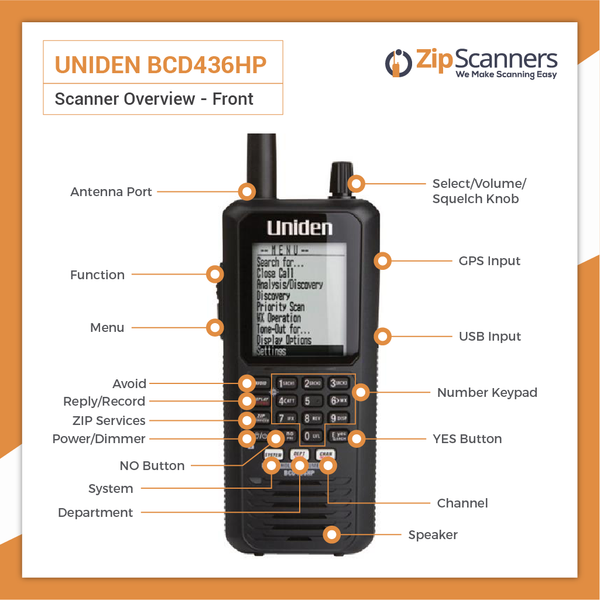
A widely cited West Valley side by side test tells the story plainly. On the same cell, an SDS100 heard every transmission with no simulcast issues, a BCD436HP caught roughly two thirds to three quarters, and an older scanner heard nothing at all. Being close to one tower does not save you, because if you also receive the neighboring towers you still garble.
In Arizona there is essentially no way to monitor a city's primary public safety system without confronting simulcast first.
Metro Phoenix, Agency by Agency
| Agency | System | Status |
|---|---|---|
| Phoenix PD | RWC Simulcast A | Partial. A deck precinct dispatch clear, all tactical and priority incident channels encrypted. |
| Maricopa County SO | Maricopa County P25 | Clear. Currently the best law enforcement target in the Valley. |
| Mesa PD | TOPAZ | Fully encrypted. |
| Chandler, Glendale, Avondale PD | RWC | Dispatch clear. |
| Tempe, Scottsdale, Peoria PD | RWC | Fully encrypted. Peoria completed its cutover in June 2025. |
| Phoenix Fire and valley fire | RWC Simulcast B | Largely clear. Only the K4 tactical deck is encrypted. |
The honest framing on Phoenix PD is this: routine dispatch is clear, and anything interesting is not. Once a call escalates it moves to an encrypted priority channel. You can follow the shape of a shift. You cannot follow a pursuit end to end.
Tucson Is Now a Sheriff and Fire Town
This is the biggest change in Arizona scanning in years. Tucson Police announced encryption on April 10, 2026 and went fully encrypted on April 13. Every TPD talkgroup on PCWIN is now closed. The department cited listeners aggregating victim information from the air and republishing it, and it published an hourly updated public call dashboard as a substitute.
The good news is that Pima County Sheriff remains largely clear, as do Tucson Fire, Tucson Regional Fire Dispatch, and Rural Metro. Marana PD is the encrypted exception on PCWIN. A scanner in Tucson is still worth owning. It is just no longer a city police scanner.
The Freeway Question: Arizona DPS
If you are buying a scanner for I-10, I-17, or I-40, read this part twice. For decades DPS ran conventional analog UHF repeaters, one per Highway Patrol district, unencrypted, and that was the classic Arizona scanner pitch.
That is expiring. DPS in metro Phoenix moved to encrypted P25 Phase II on AZ WINS around May 2026, with talkgroups renumbered and the conventional UHF network being phased out. The rollout is phased, so rural district traffic around Kingman, Flagstaff, Holbrook, and Yuma appears to still be monitorable today. The direction of travel is only one way. We will not sell you a scanner on the promise of DPS freeway traffic in Phoenix or Tucson.
Rural Arizona, Where a Cheaper Scanner Still Wins
- Mohave County is the most analog of the big counties. The Sheriff, Kingman PD and Fire, and Bullhead City PD and Fire are all conventional analog VHF. Lake Havasu City is the exception, running its own P25 Phase II system.
- Navajo and Apache counties are conventional VHF with a mix of analog, P25, and DMR. No trunked backbone. For the White Mountains and the I-40 corridor east of Flagstaff, an analog scanner does most of the job.
- Coconino County Sheriff moved to P25 digital on the same VHF frequencies in June 2025. Encryption was described as under consideration but not implemented. Flagstaff PD dispatch is clear, tactical is encrypted.
- Cochise County retired its standalone system in July 2026 and folded its sites into AZ WINS. Yavapai County and Cottonwood PD joined AZ WINS the same month.
Across Arizona's tribal systems the rule is consistent: police encrypted, fire clear. That holds for Gila River, Salt River, and Fort McDowell. Navajo Nation police remain largely on scannable analog VHF, and Tohono O'odham runs conventional analog 800 MHz.
Wildfire Season Is the Best Reason to Own a Scanner Here
Arizona wildland fire runs on VHF high band, conventional, analog, and unencrypted, and it will stay that way because federal, state, tribal, and local crews have to talk to each other on one incident. Tonto National Forest, the one that matters most to Phoenix, sits around 170 to 171 MHz with an admin net on 170.4750 and fire nets on 171.5000 and 170.5000, repeated from Mount Ord, Diamond Point, Signal Peak, and Bronco Butte.
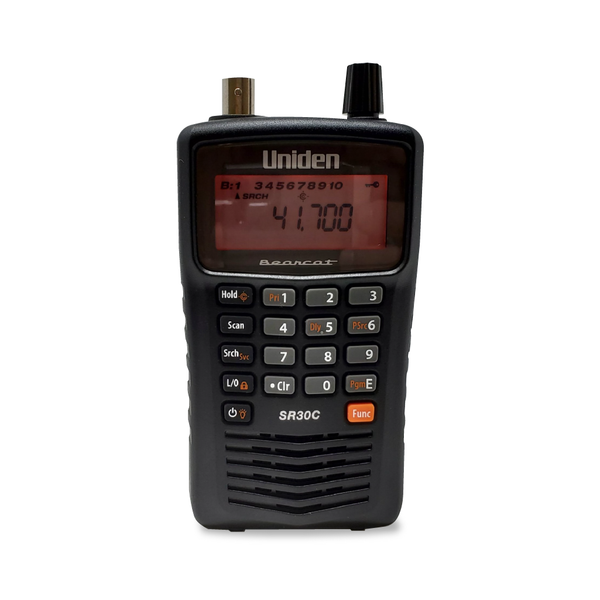
A modest analog scanner covers Arizona fire season completely. This is the one area where we will tell you not to upgrade. Add NOAA Weather Radio for monsoon season and aviation on AM airband, which is never encrypted anywhere, and the cheap end of the catalog earns its place.
Two things not to buy a scanner for: Border Patrol is normally encrypted, with only occasional clear traffic, and base security forces at Luke and Davis-Monthan are largely encrypted as well. Military air on UHF AM, 225 to 400 MHz, is a different story and is well worth having.
Which Scanner Fits Your Part of Arizona
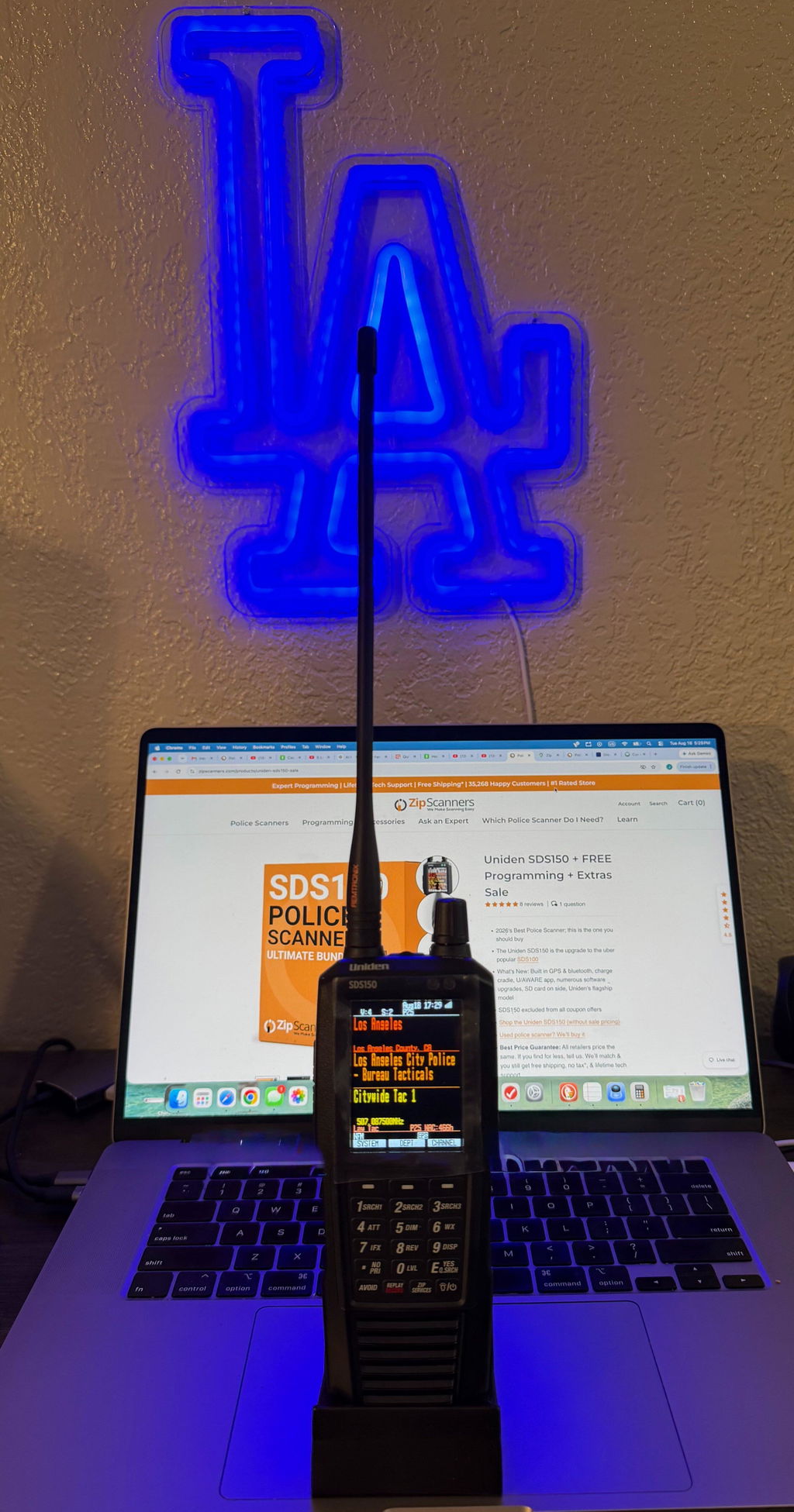
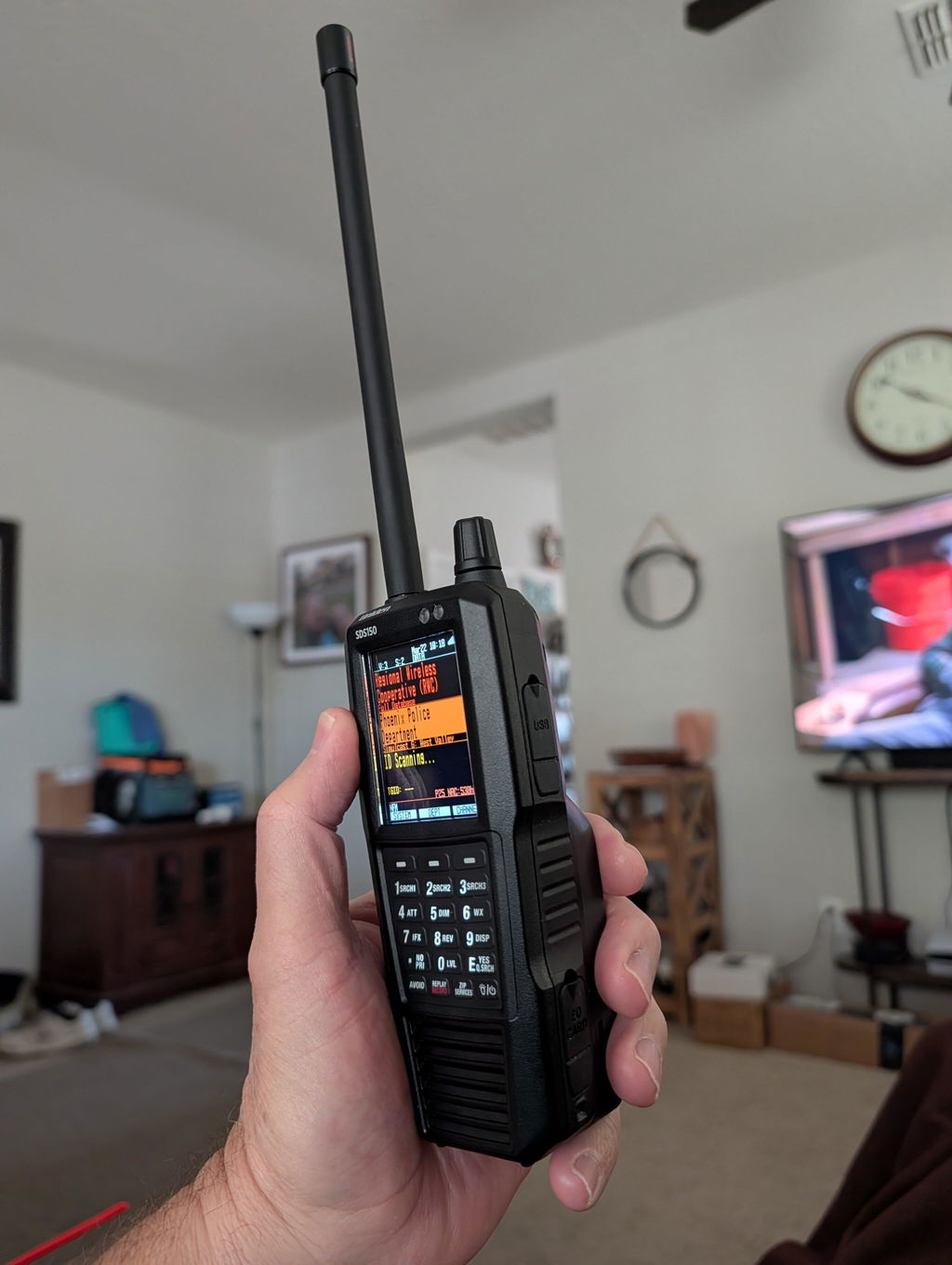
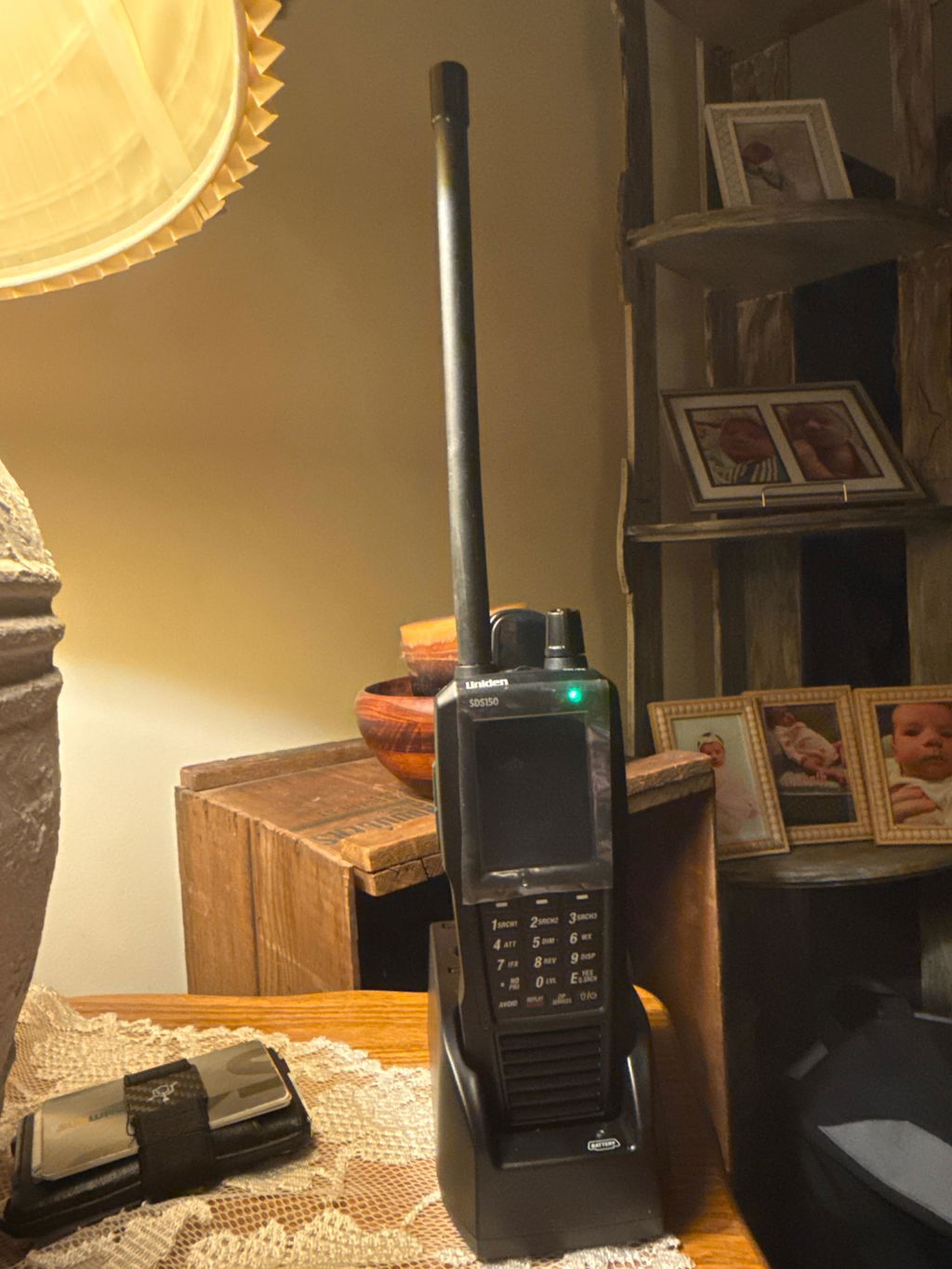
Uniden SDS150: Best Overall for Arizona
True I/Q reception is the only consumer technology that reliably survives Arizona simulcast. If you are in Maricopa, Pima, Pinal, or Coconino County, this is the honest recommendation.
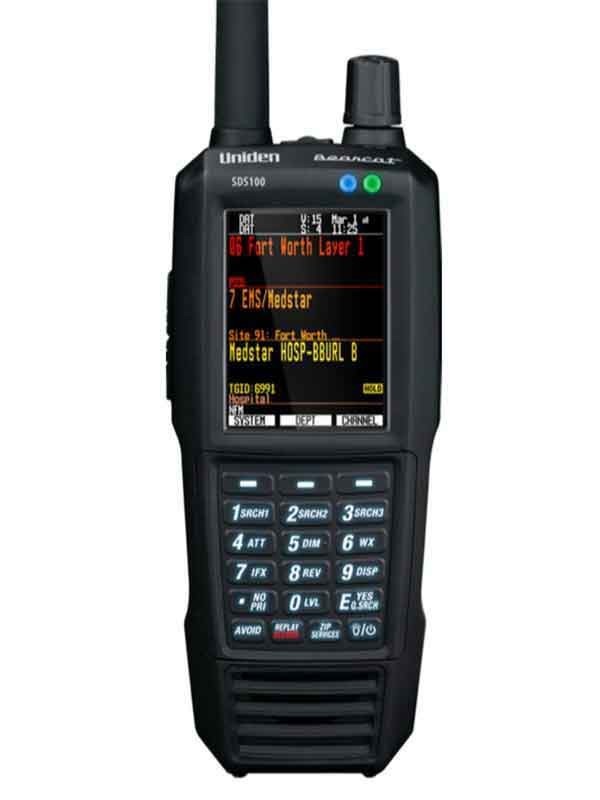
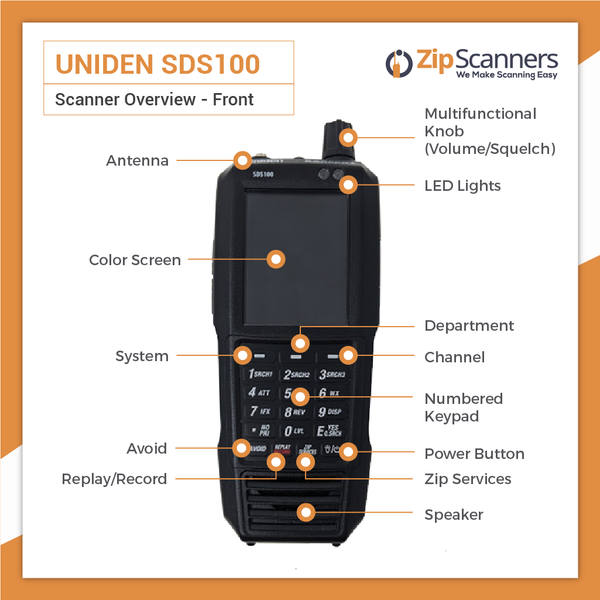
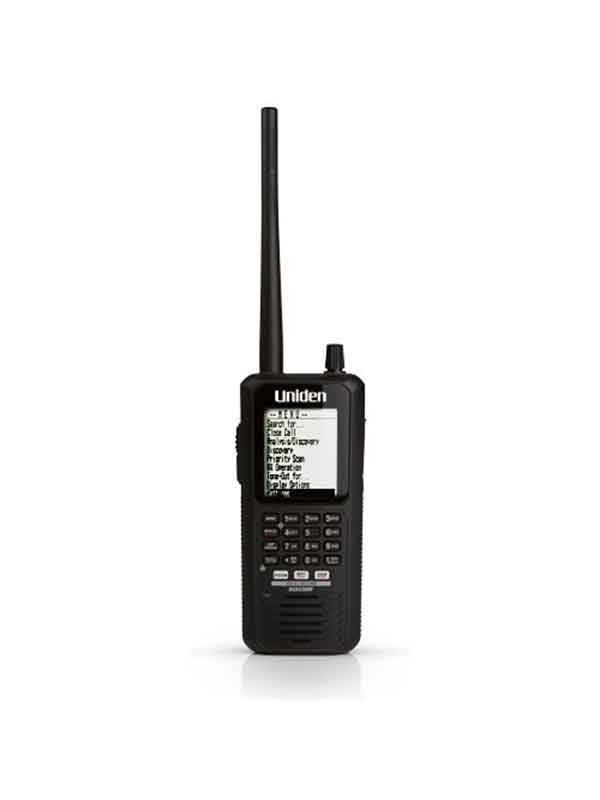
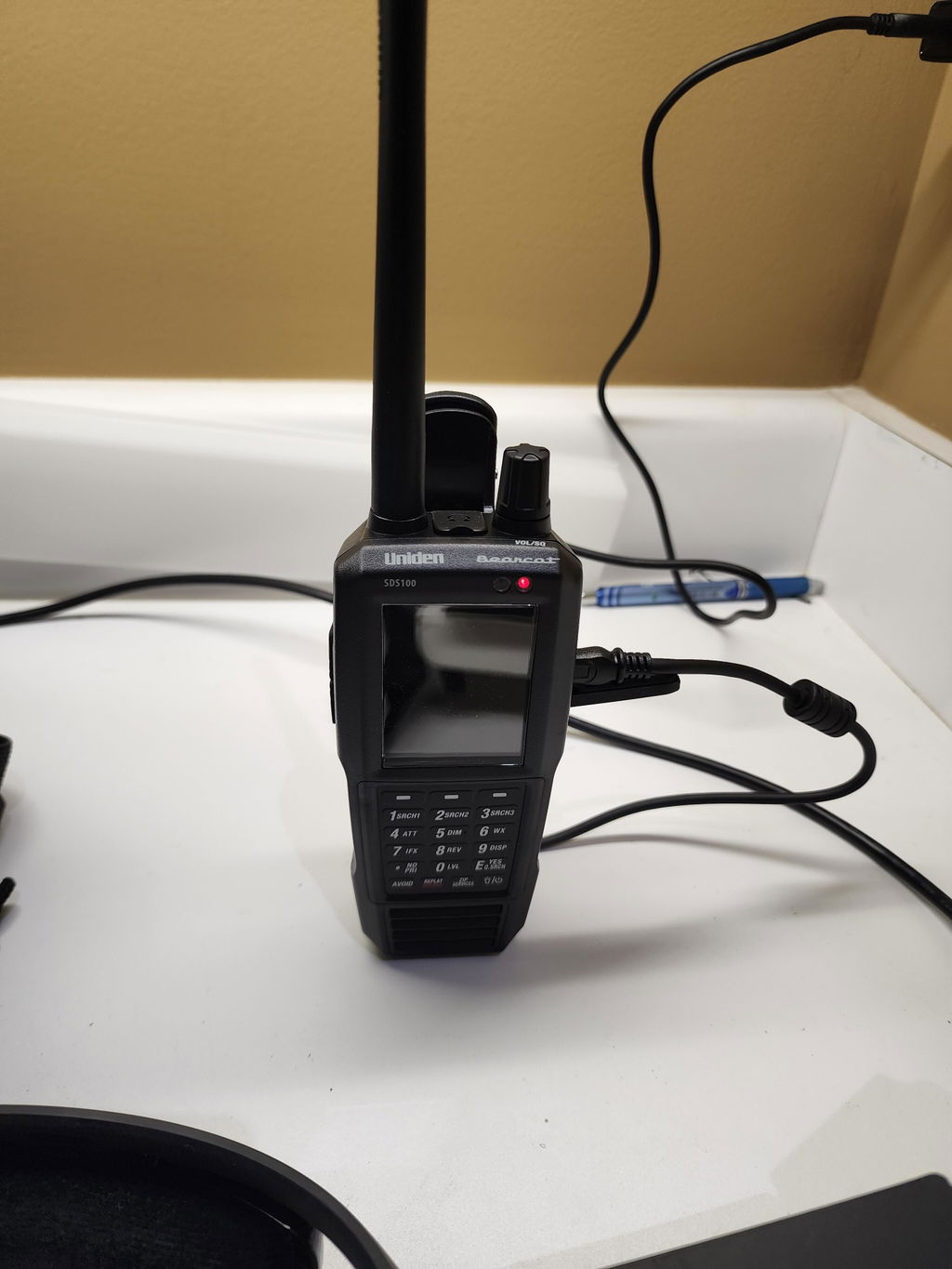
Uniden SDS100: Best Value for the Same Decode Power
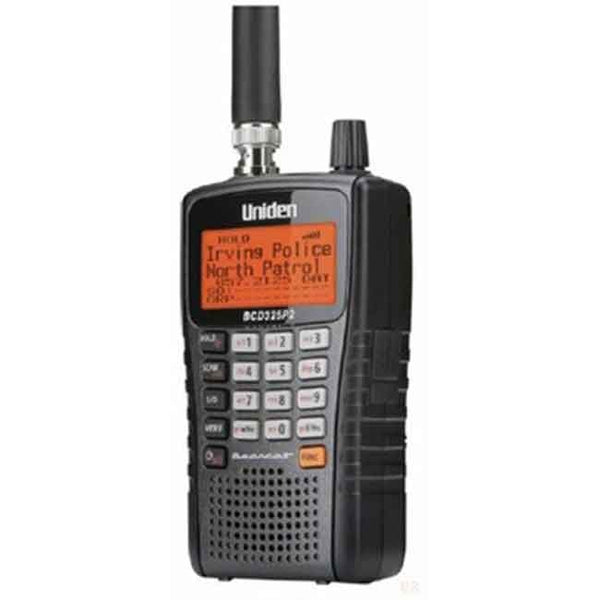
The model that heard every transmission in the West Valley simulcast test, in a rugged handheld. Our most recommended scanner for the Phoenix metro.
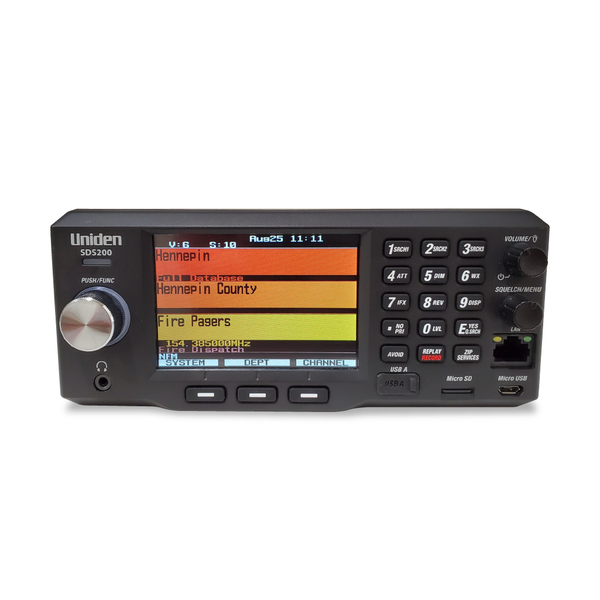
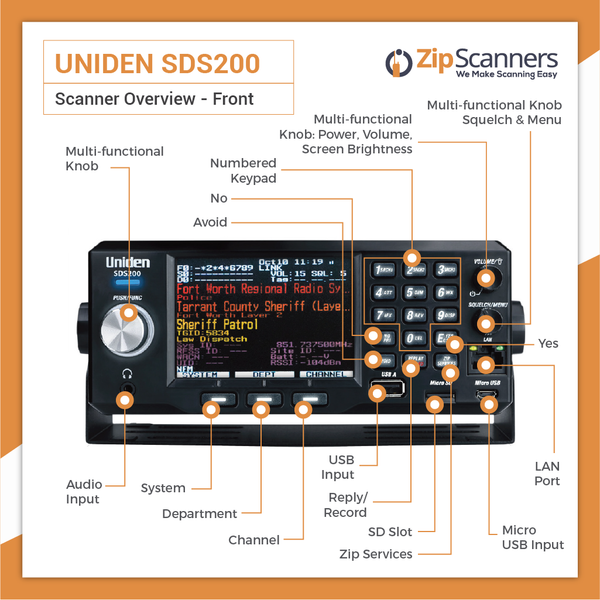
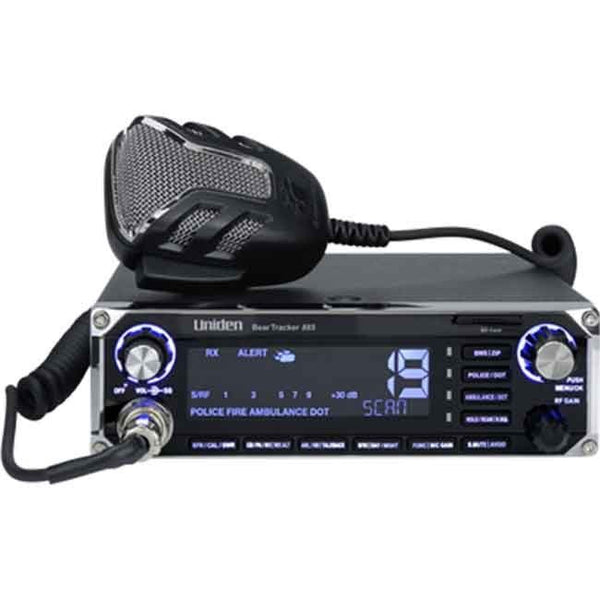
Uniden SDS200: Best for a Home or Vehicle Base Station
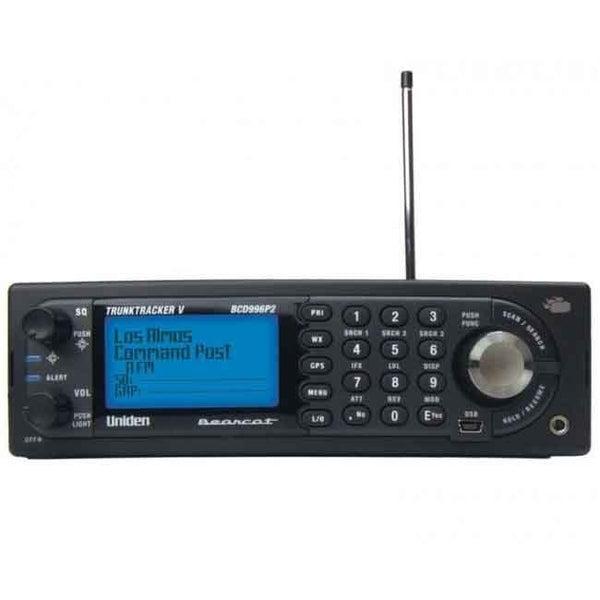
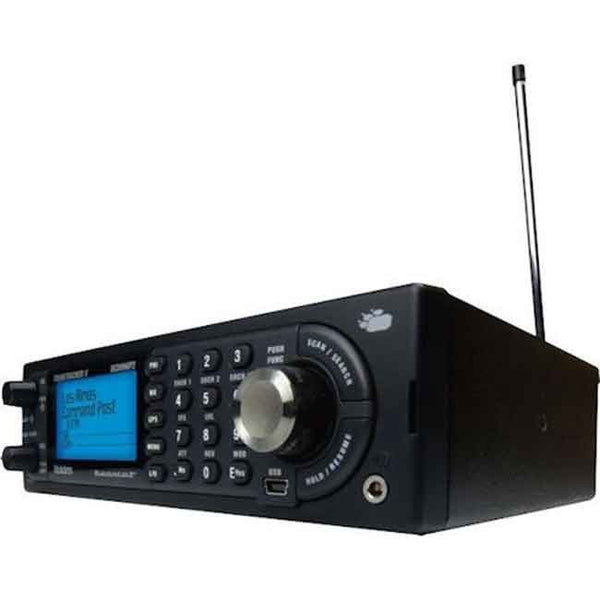
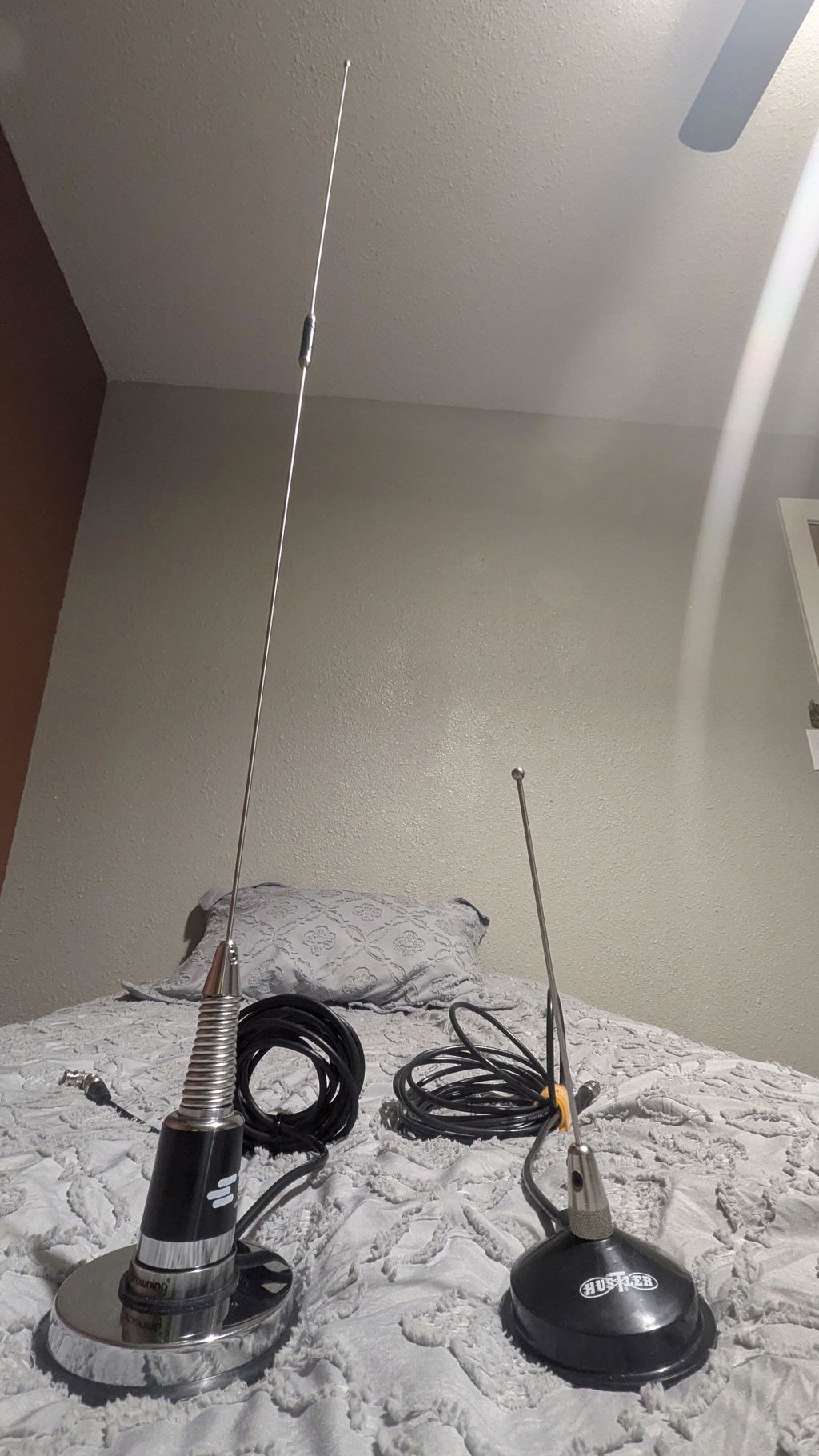
Same receiver in a base and mobile form factor. Experienced Arizona listeners consider an external antenna close to mandatory, and the SDS200 is built for one.
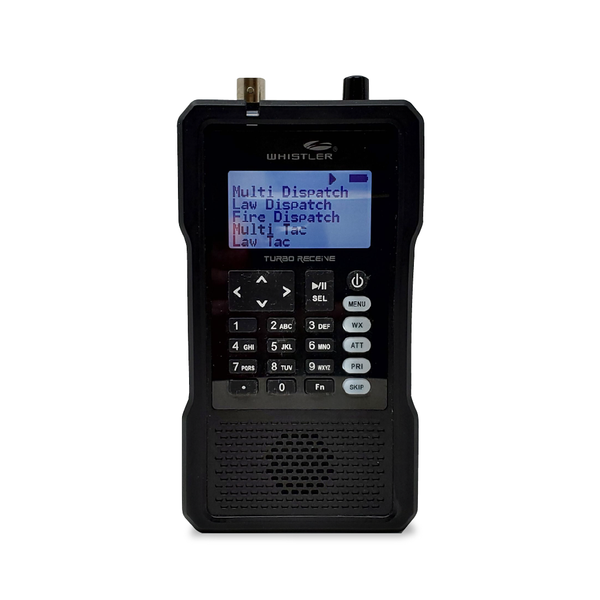
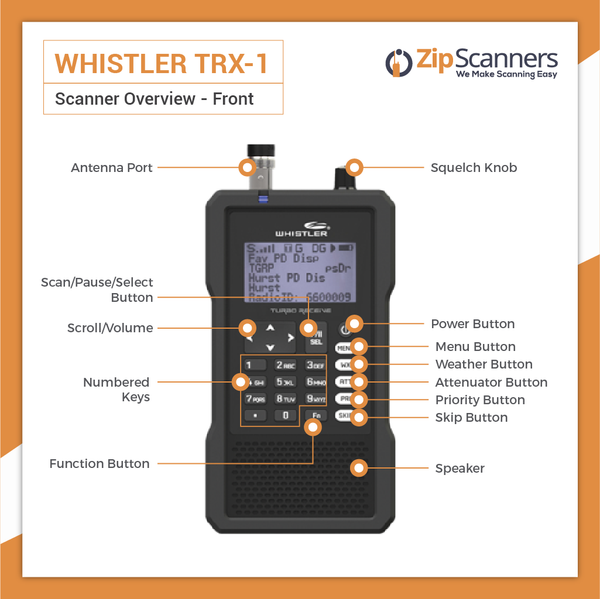
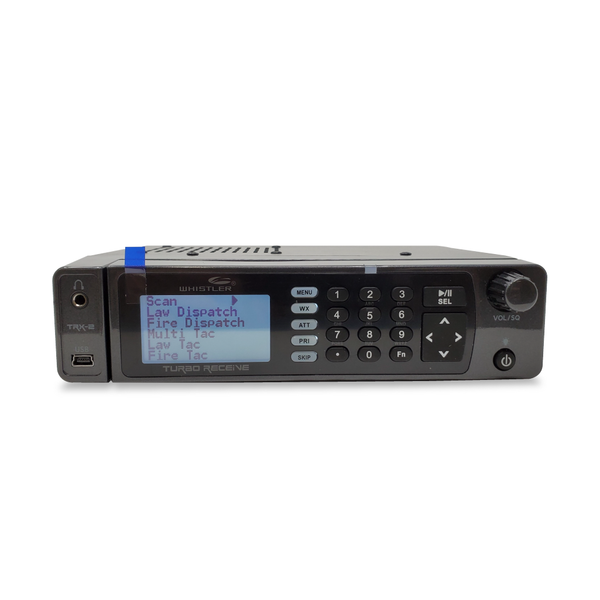
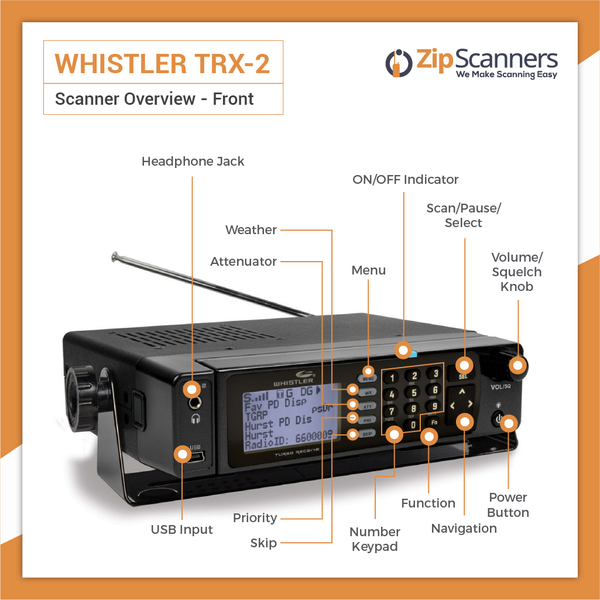
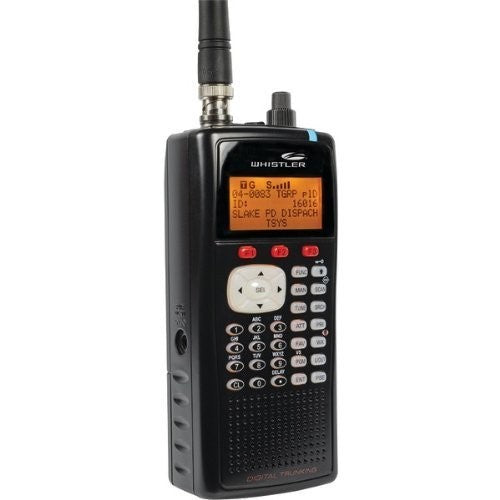
Whistler TRX-1: Only Outside the Metros
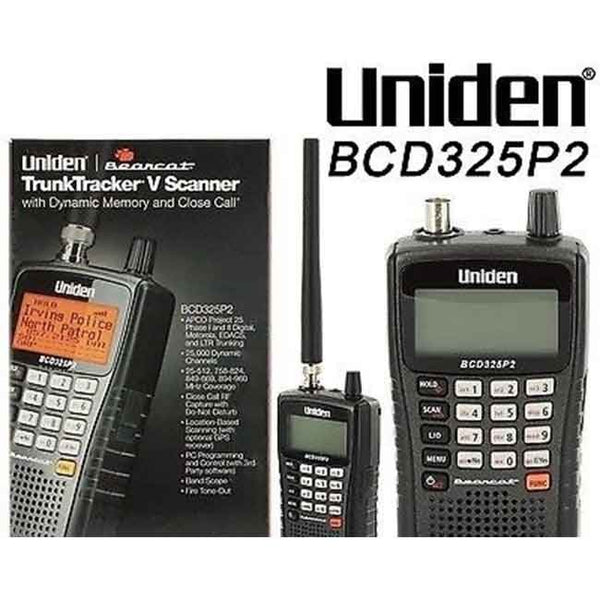
Fine for Mohave, Navajo, Apache, and much of Yavapai County, where systems are conventional. We do not recommend it for Phoenix or Tucson, because it does not handle simulcast well.
Watch: Understanding Simulcast Distortion
Programming Your Scanner for Your Arizona County
- Identify which system covers you: RWC, TOPAZ, Maricopa County, PCWIN, Pinal County, or AZ WINS.
- Find your nearest site and check whether it is part of a simulcast cell. In the metros it will be.
- Lock to that specific simulcast site rather than letting the scanner roam. This alone fixes a lot of garble.
- Add conventional VHF for wildland fire, and AM airband for aviation. Neither is on the trunked systems.
- Add NOAA Weather Radio before monsoon season.
Programming is the number one reason scanners get returned. We will set yours up for your exact county and simulcast cell before it ships. See expert programming, or use our free scanner recommendation service and a human will tell you what you will actually hear.
Get Arizona scanning updates before you buy
Arizona Police Scanner FAQ
Is Phoenix PD fully encrypted?
No, despite what several other sites claim. Precinct dispatch on the A deck is still clear. Tactical, car to car, investigative, and priority incident channels are encrypted.
Can I hear Tucson police?
Not since April 13, 2026. Pima County Sheriff, Tucson Fire, and Rural Metro are still open, so a scanner in Tucson remains useful.
Will a cheaper digital scanner work in Phoenix?
Partially, and unpredictably. A mid tier scanner may catch two thirds of transmissions on a simulcast cell and drop the rest with no warning. In this state that is the difference that matters.
Does the SDS line fix simulcast completely?
It handles it very well, but not perfectly. Some problems blamed on simulcast are actually interference from a strong nearby signal, which the attenuator and the waterfall display help you diagnose.
Ready to Hear What Is Happening in Your County?
Arizona has changed three times in eighteen months. Tell us your county and your zip code, and we will tell you which agencies are still open and which scanner will actually decode them.
Arizona encryption changes quickly. Verify your county at RadioReference before you buy, or let us check it for you.