|
Best Police Scanner for Nova Scotia, Canada: Frequencies, Systems & Recommendations
Nova Scotia's public safety agencies run on a modern digital trunked radio system, and that changes what you need in a scanner. This guide covers the system the province actually uses, which agencies you can still hear, which ones are encrypted, and the two scanners we recommend for listeners here. We also cover what Canadian law actually says about scanner listening, since it is not the same as the rules south of the border.
|
The Radio System Nova Scotia Uses
Nova Scotia's police, fire, and government agencies communicate over TMR2, the province's P25 digital trunked radio system. TMR2 replaced the original TMR network (also known as the Aliant Trunked Mobile Radio System), and it now operates as part of a larger regional network, the Atlantic Provinces Public Safety Network (APPSN), formerly called the Maritime Public Safety Radio Network. APPSN links radio traffic across Nova Scotia, New Brunswick, Prince Edward Island, and Newfoundland and Labrador, including a handful of shared talkgroups for cross-border mutual aid and hazmat response.
Technically, TMR2 runs P25 Phase I digital trunking in the 700 MHz and 800 MHz bands. That single detail matters more than almost anything else on this page: an older analog only scanner cannot follow this traffic at all. You need a digital, P25 capable trunking scanner. There is no way around it.
The province has also issued TMR2 radios to volunteer fire departments across Nova Scotia, organized into regional dispatch groups (South, West, North, and East), so fire and EMS paging generally rides the same digital backbone as police, even in rural counties.
|
Region by Region: What's Encrypted
Encryption in Nova Scotia is not one provincewide switch. It varies by agency and by county, so where you live changes what you will actually hear. This is current as of this writing. Always confirm live status on RadioReference before you buy or program, since agencies do change policy.
|
| Region / Counties |
Police |
Encryption |
Fire & EMS |
Halifax Metro
Halifax County (HRM) |
Halifax Regional Police, Halifax District RCMP |
Fully encrypted (TMR2, since 2015) |
HRFE, separate fleetmap, generally clear |
Cape Breton Island
Cape Breton, Inverness, Richmond, Victoria |
Cape Breton Regional Police, RCMP |
Encrypted |
Volunteer fire on TMR2, generally clear |
South Shore
Lunenburg, Queens, Shelburne, Yarmouth |
RCMP, small municipal (e.g. Bridgewater) |
RCMP encrypted; some small municipal forces reported clear |
VFD South dispatch, generally clear |
Annapolis Valley
Annapolis, Kings, Hants, Digby |
RCMP |
Encrypted |
VFD West dispatch, generally clear |
Northern & Eastern Mainland
Colchester, Cumberland, Pictou, Antigonish, Guysborough |
RCMP, small municipal (e.g. Truro) |
RCMP encrypted; some small municipal forces reported clear |
VFD North/East dispatch, generally clear |
|
What You Can (and Can't) Hear
Off limits, fully encrypted: the RCMP provincewide, Halifax Regional Police, Cape Breton Regional Police, and federal agencies like National Defence, Fisheries and Oceans, and the Canada Border Services Agency. Encryption is a feature of the radio system, not a limitation of the scanner, so no amount of money changes this. That holds whether you buy the scanner we recommend below or anything else on the market.
Still open in most areas: volunteer and career fire departments, EMS dispatch in many regions, smaller municipal police departments in towns like Truro and Bridgewater, provincial government traffic such as Transportation and Natural Resources, and marine and Coast Guard channels. That mix is exactly why a real digital scanner still earns its keep in Nova Scotia.
|
Is It Legal to Listen in Canada?
Scanner law in Canada is not the same as in the United States, so do not assume rules you read elsewhere apply here. Under the federal Radiocommunication Act, owning and operating a scanner to listen is broadly permitted. The real restriction is on what you do next: the Act prohibits using or divulging most radiocommunications you intercept, not just decrypting them. Encrypted digital traffic, like the TMR2 channels above, cannot legally be decoded regardless of intent.
This is general information, not legal advice. If you plan to stream, record, or republish anything you hear, read the current Radiocommunication Act or talk to a lawyer first.
|
Recommended Scanners for Nova Scotia
Both of our top picks handle P25 Phase I trunking natively, so either one follows TMR2 and APPSN traffic wherever it is still unencrypted.
|
FLAGSHIP HANDHELD
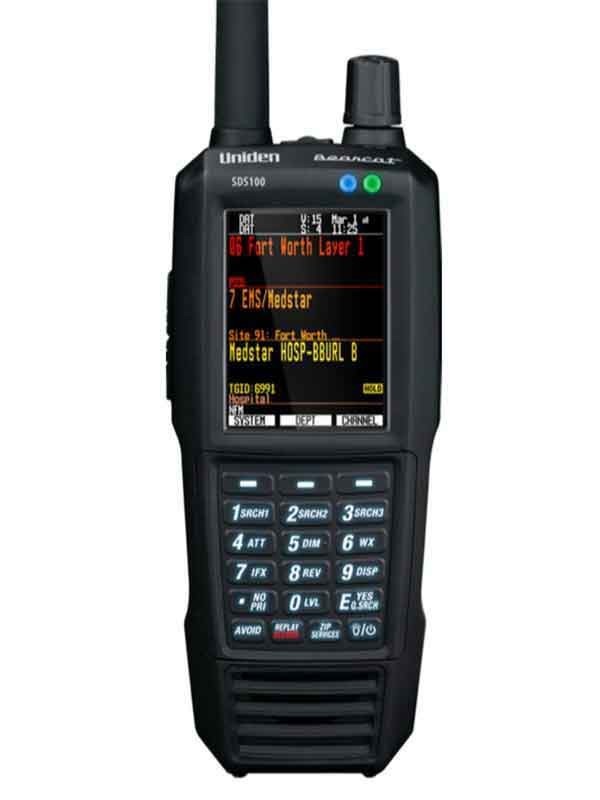
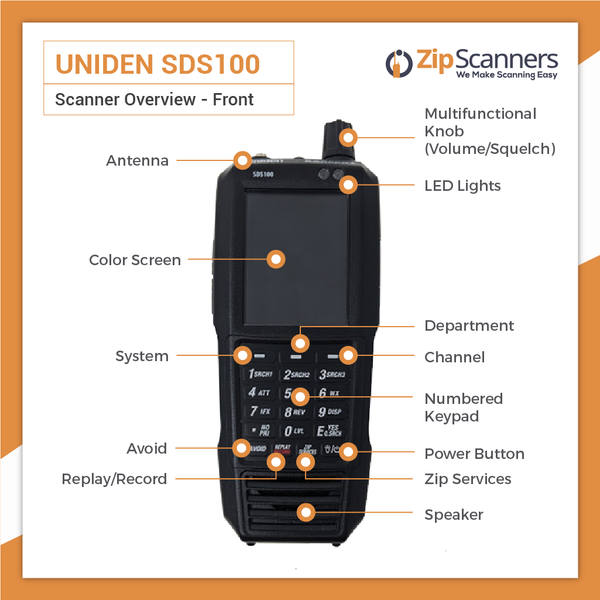
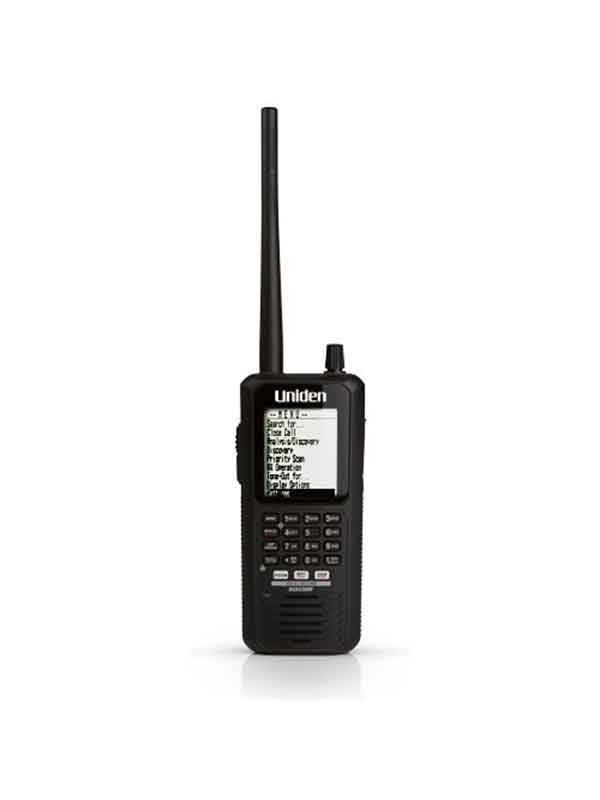
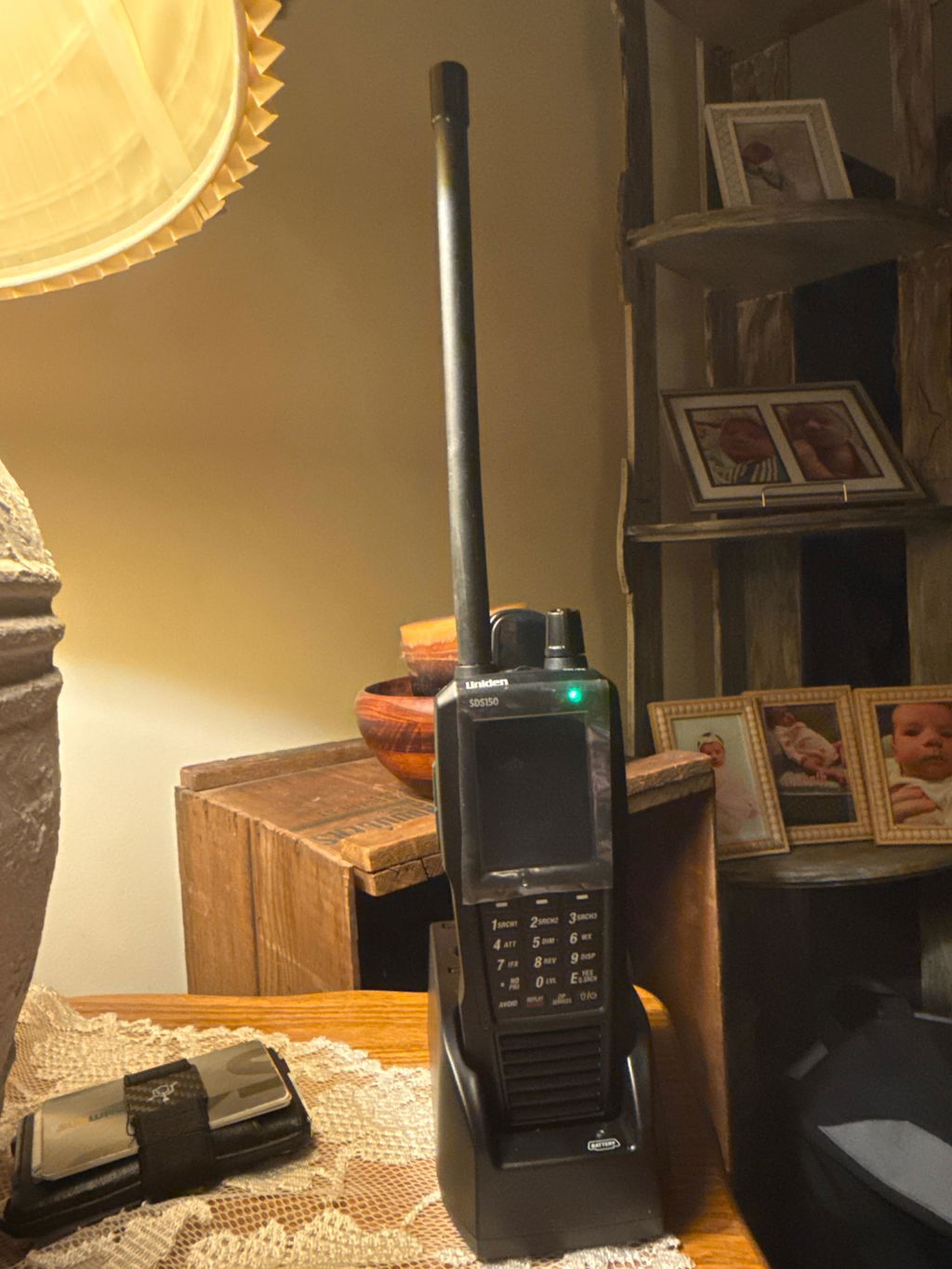
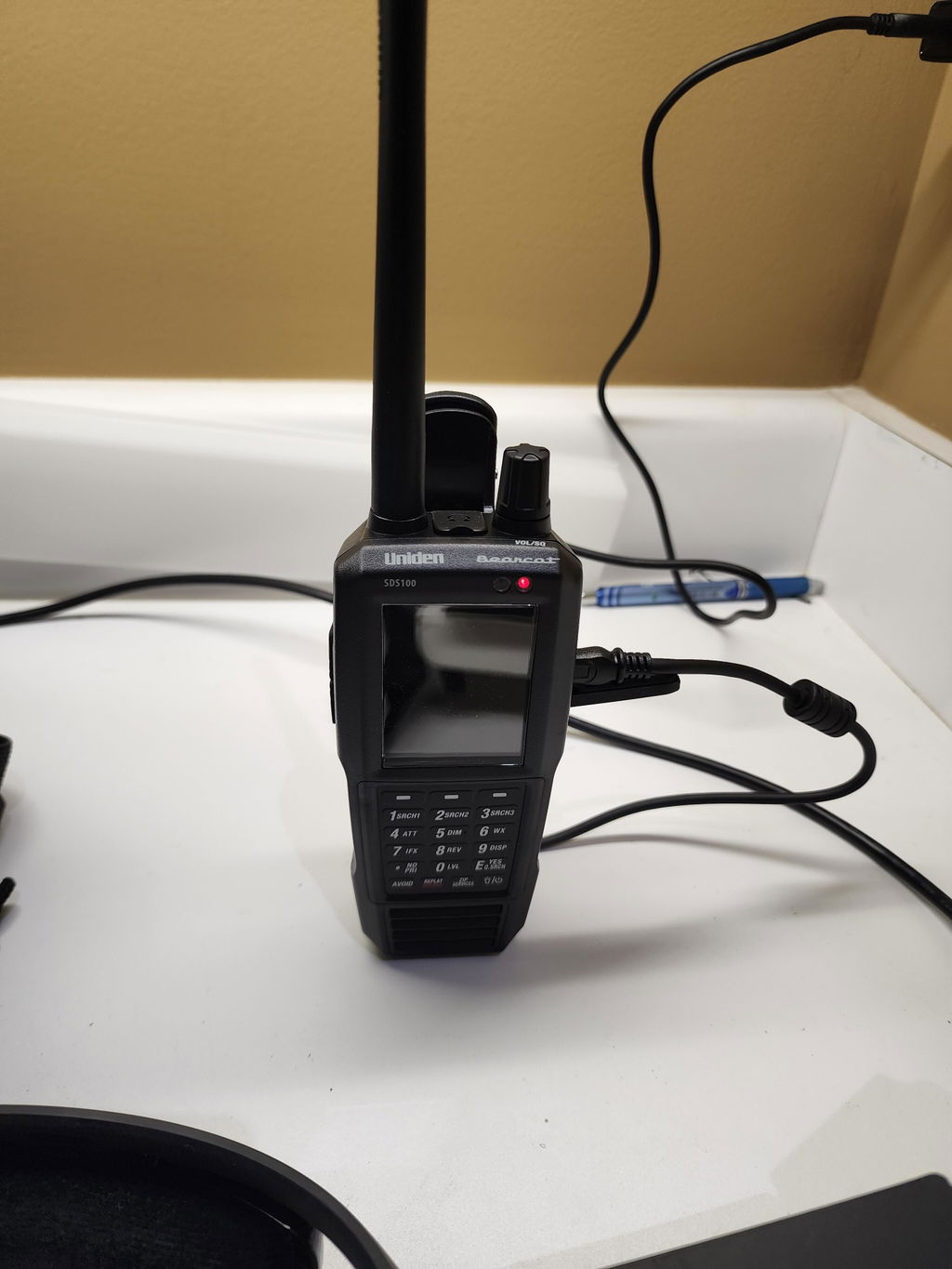
Uniden SDS100
The proven digital handheld. Its True I/Q platform handles simulcast heavy areas like Halifax and Cape Breton cleanly, and it is a strong choice for anyone who wants the flagship digital scanner without paying for GPS or app control they may not use.
Shop the SDS100
|
|
NEWEST FLAGSHIP
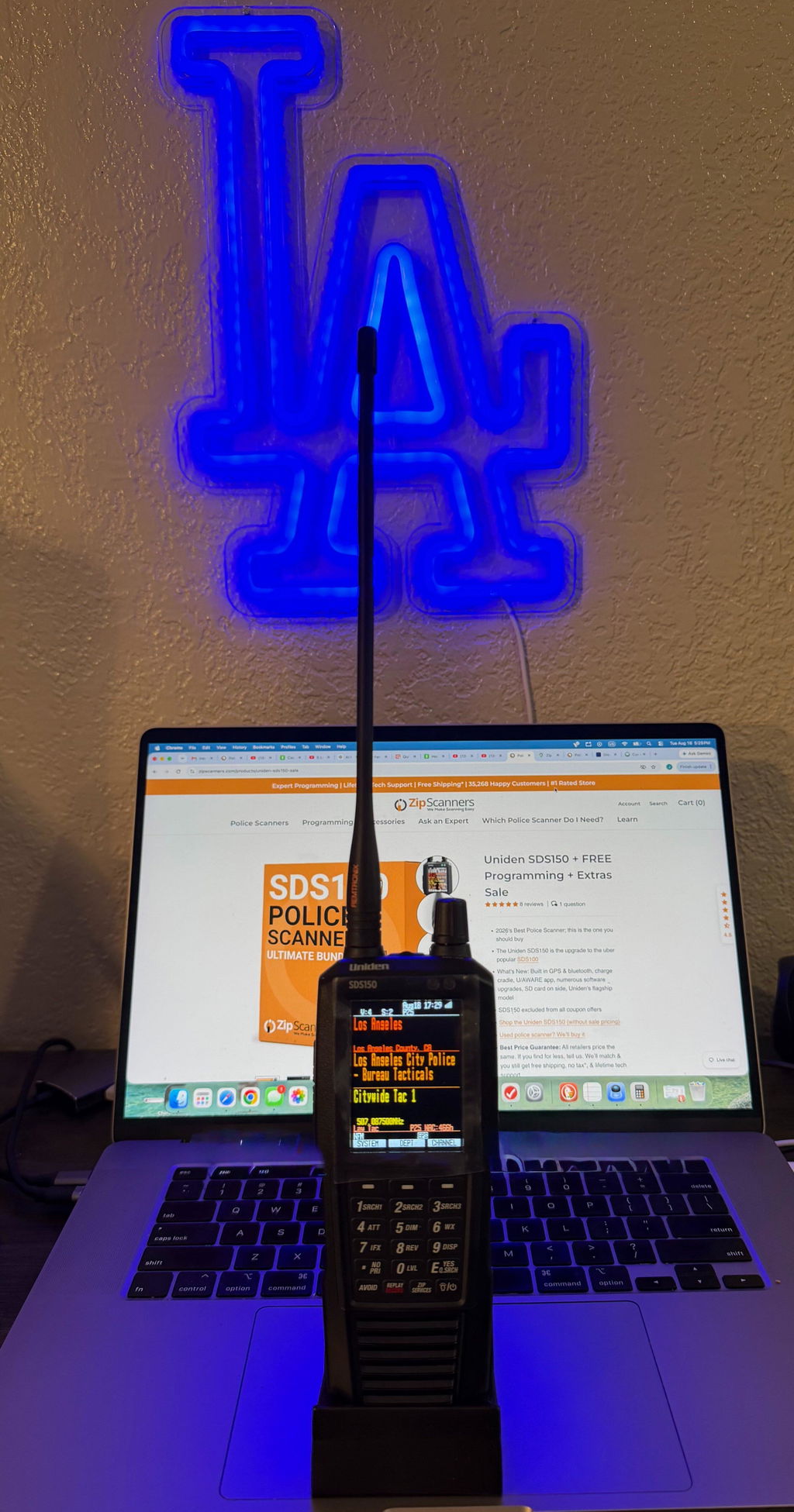
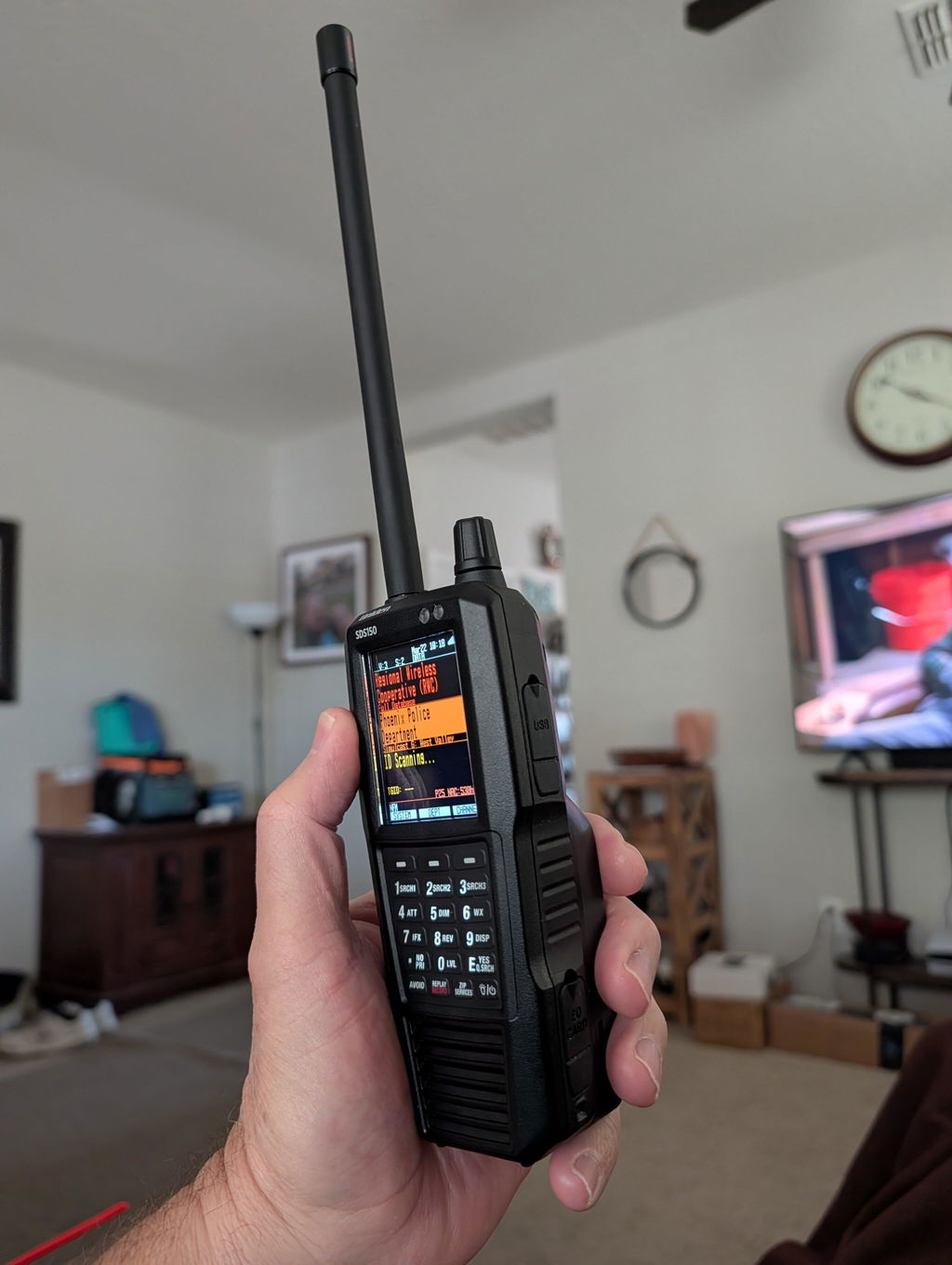
Uniden SDS150
Same True I/Q core as the SDS100, plus built in GPS, phone control and audio through the U/Aware app, USB-C charging, and the Waterfall display included instead of sold separately. If you travel across counties or just want the least fiddly setup, this is the buy once option.
Shop the SDS150
|
|
See It Before You Buy It
Our team walks through unboxing, setup, and the SDS100 and SDS150 interface on the Zip Scanners YouTube channel.
Watch on YouTube
|
|
Not Sure Which Scanner Fits Your County?
Talk to a real Zip Scanners expert, or have your scanner programmed for Nova Scotia before it ships.
Book a Free Call
|
|
Want Nova Scotia Scanner News and Deals?
|
|
|
Frequently Asked Questions
What is the best police scanner for Nova Scotia?
The Uniden SDS100 or SDS150. Both handle the P25 Phase I trunking used across TMR2 and APPSN. The SDS150 adds GPS, app control, and Waterfall as standard, if budget allows.
Can I listen to Halifax Regional Police or the RCMP?
No. Halifax Regional Police and Halifax District RCMP moved to encrypted TMR2 together, and the RCMP is encrypted provincewide. No scanner, at any price, can decode that traffic.
What can I still hear on a scanner in Nova Scotia?
Most fire and EMS dispatch, volunteer fire departments provincewide, some smaller municipal police departments, provincial government and Natural Resources traffic, and marine and Coast Guard channels.
Is it legal to own and use a police scanner in Nova Scotia?
Generally yes, under the federal Radiocommunication Act. The Act restricts using or sharing what you intercept, not just decrypting it, and this differs from US rules. This is general information, not legal advice.
Do I need a digital or P25 scanner for Nova Scotia?
Yes. TMR2 and the wider APPSN network are P25 Phase I digital trunked systems, so an analog only scanner will not follow that traffic.
Where can I find current Nova Scotia frequencies and talkgroups?
RadioReference.com maintains the most current county and agency database, since assignments and encryption status change over time.
|
Go Deeper
For live talkgroup and county level detail, these RadioReference resources are the most current:
Atlantic Provinces Public Safety Network (APPSN) system profile
Halifax Regional Police wiki entry
RadioReference forums (Atlantic Canada)
|
|
Zip Scanners has helped thousands of listeners find the right scanner for where they actually live. If Nova Scotia's system changes, we will update this guide.
|
|