Best Police Scanner for Pennsylvania: P25, Encryption & More
State Landing Page Guide
Best Police Scanner for Pennsylvania: P25, Encryption & More
Pennsylvania is one of the most uneven states in the country for scanner listeners, and that is not a knock on the state, it is just where a 67 county buildout currently stands. Philadelphia runs a mature P25 trunked system that is still mostly listenable. Pittsburgh and Allegheny County are mid migration, with city dispatch still analog as of this year. Rural counties from the northern tier to the Laurel Highlands are often years behind the big cities, which is good news if you live there. Meanwhile, Pennsylvania State Police moved its entire statewide network to an encrypted P25 Phase II system, so PSP traffic is closed no matter where you live in the commonwealth.
This guide breaks down what is actually happening county by county, what RadioReference shows for encryption status, and which scanner gets you the most usable traffic for your area. We update this page as Pennsylvania counties continue their migrations.
Quick Answer
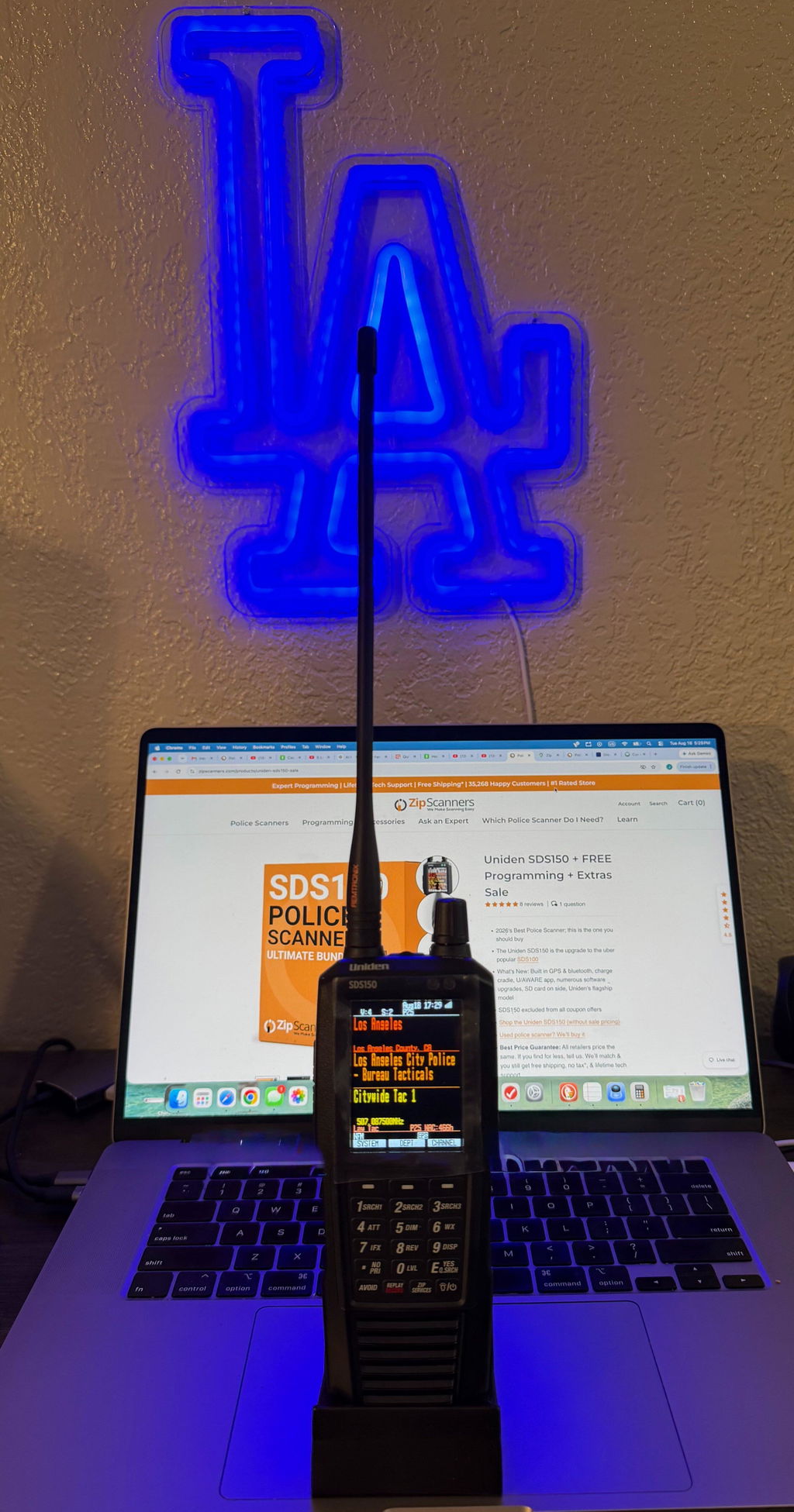
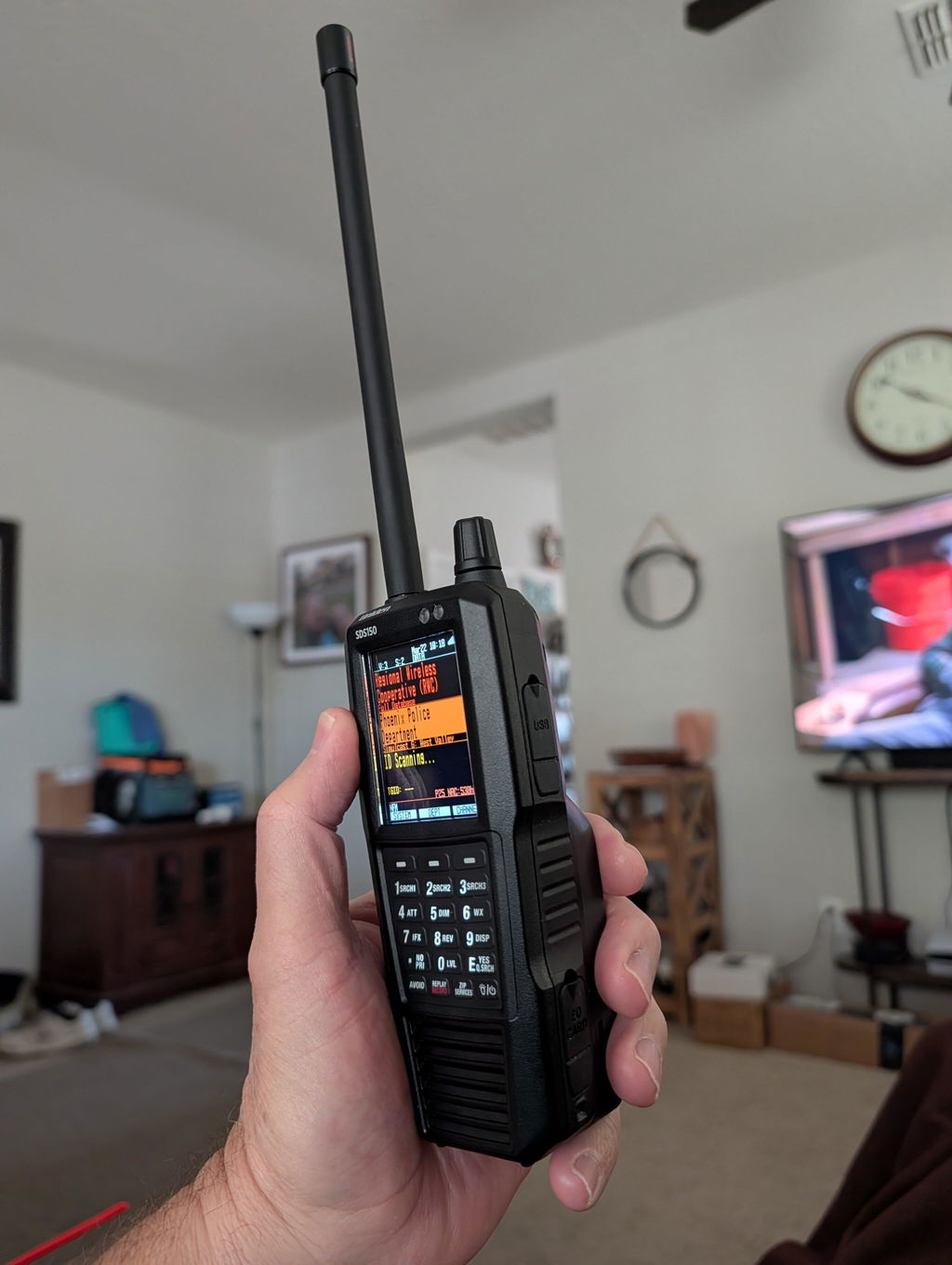
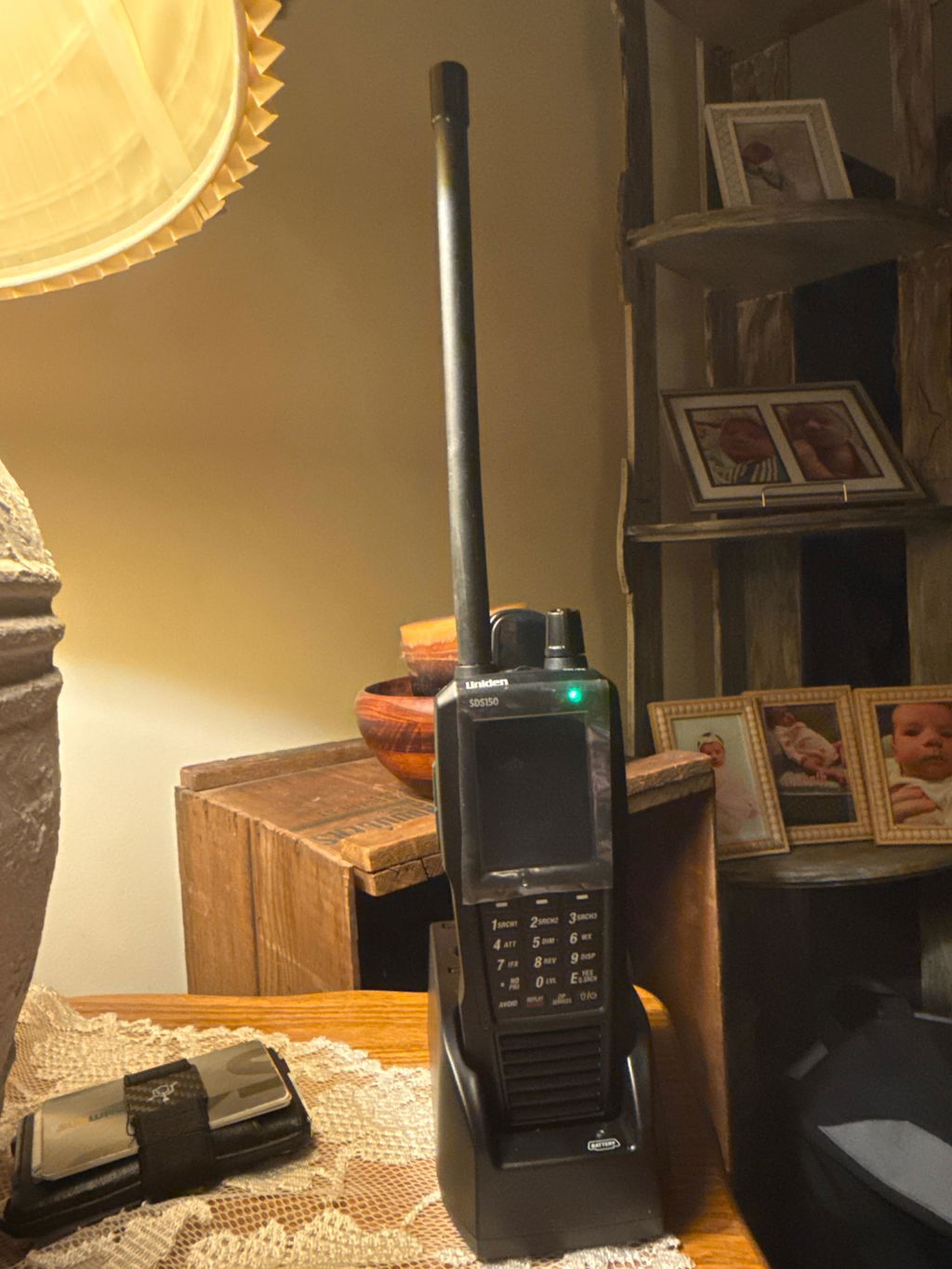
For most of Pennsylvania, the Uniden SDS150 is the safe choice. It is a True I/Q digital handheld that decodes P25 Phase I and Phase II out of the box, which covers PA STARNet, Allegheny County's ACES system, and the county trunked systems used around Philadelphia. If your county still runs conventional analog or older Motorola Type II, you do not need to spend that much, and we will tell you exactly where that applies below.
Shop the Uniden SDS150Pennsylvania's Statewide Shift to P25 Phase II
For years, Pennsylvania State Police ran a proprietary system called OpenSky, which was never monitorable by consumer scanners regardless of model. The commonwealth has since replaced OpenSky with PA STARNet, a true P25 Phase II TDMA network built to cover more than 95 percent of all 67 counties with mobile radio service. The tradeoff is that PSP dispatch on PA STARNet is fully encrypted, so no scanner, including the SDS150 or SDS200, will decode state police traffic. If you want PSP, your only realistic option is the occasional clear VHF tactical channel that some barracks still keep as a narrowbanded backup.
Counties are migrating onto P25 Phase II trunked systems at very different speeds, and each county decides separately whether to encrypt police dispatch. That is the single biggest thing to understand about scanning in Pennsylvania: there is no one answer for the whole state. You have to check your specific county, and ideally the counties you drive through regularly.
Philadelphia: Encryption Is Growing, But Most of It Is Still Open
The City of Philadelphia runs a Motorola P25 simulcast trunking system split across two zones. Zone 1 (Site 3) primarily carries fire and other city agencies, and Zone 2 (Site 4) primarily carries police, with citywide police divisions and fire dispatch repeated across both zones for redundancy. The good news for listeners is that the bulk of day to day Philadelphia Police Department traffic, the district patrol talkgroups where the actual dispatching happens, remains in the clear. Fire and EMS dispatch are also unencrypted.
What has moved to encryption are the specialized and tactical talkgroups: bomb squad, certain narcotics and SWAT operations, and a handful of sensitive administrative channels. RadioReference flags these with a "DE" mode tag, meaning fully encrypted, while the routine "D" tagged talkgroups remain monitorable. In practice this means a properly programmed scanner still gives you a clear, useful picture of what is happening across Philadelphia on any given shift, you simply will not hear the channels agencies have decided are sensitive enough to lock down.
The Philadelphia suburbs are a different story. Montgomery County moved its entire police trunked system to full encryption back in December 2020, and Chester County's police agencies have largely followed the same pattern onto the county trunked radio system. In both counties, fire and EMS remain on the open side of the system. If you live in Bucks, Delaware, or the Philadelphia collar counties generally, expect police dispatch to be encrypted but fire and EMS to still be worth scanning.
Pittsburgh and Allegheny County: More Accessible, For Now
Pittsburgh is currently one of the more listener friendly major cities on the east coast, mostly because it has not finished its digital migration yet. As of this year, City of Pittsburgh police, fire, and EMS dispatch are still running on analog UHF, and that traffic is unencrypted. SWAT, special operations, and a few tactical "ops" channels are encrypted, but routine dispatch is wide open.
That is changing. Allegheny County Emergency Services operates a countywide P25 Phase II trunked system through ACES, already used by county SWAT, the county jail, school police, and a growing list of municipal agencies. The City of Pittsburgh is expected to eventually join that countywide system, and when it does, most listeners and forum discussion on RadioReference agree full police encryption is likely to follow. There is no confirmed date for that transition as of this writing, so if you are in the Pittsburgh metro area, now is a good window to have a capable digital scanner in hand before the system flips.
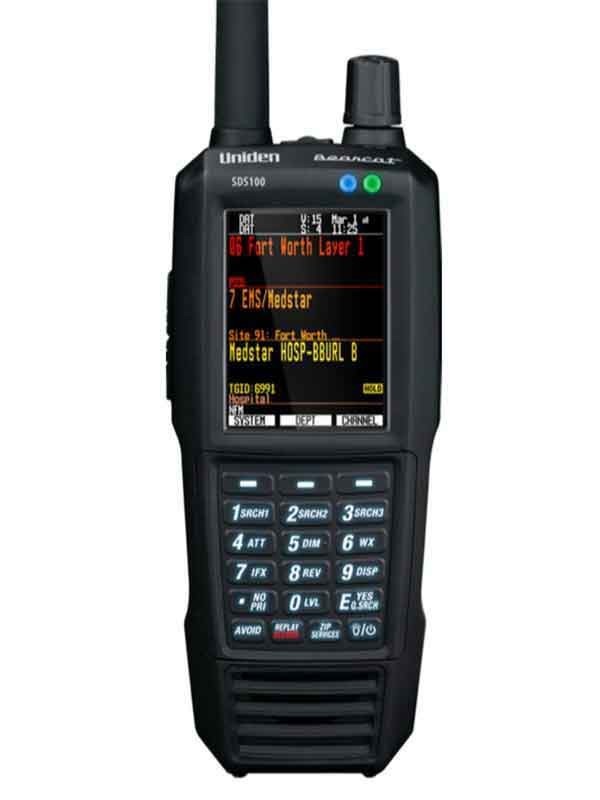
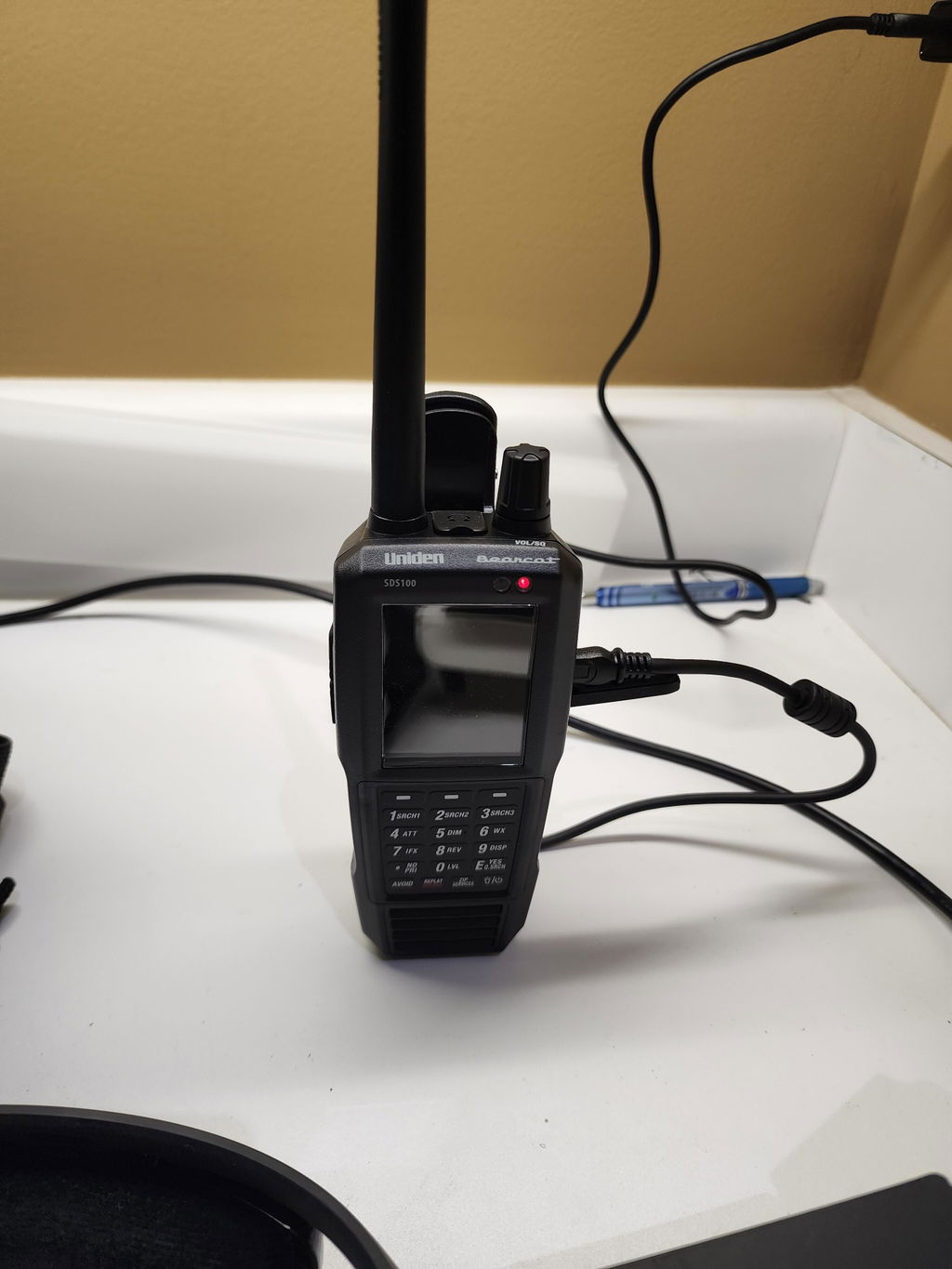
Because Allegheny County already runs P25 Phase II for several agencies, and the eventual citywide migration will require Phase II decoding, we recommend buying Phase II capable now rather than starting with an older Phase I only scanner. The SDS150 and SDS100 both handle this, the SDS150 simply adds creature comforts like built in GPS for listeners who travel across the Pittsburgh metro's many small boroughs.
Rural Pennsylvania: Still the Easiest Scanning in the State
Outside the Philadelphia and Pittsburgh metros, Pennsylvania still has a large number of counties running conventional analog or P25 Phase I systems with no encryption at all. Many central and northern tier counties, the kind of areas covered by smaller volunteer fire companies and county owned EMS, have not had the budget pressure or population growth that pushes larger counties toward full digital trunking and encryption. Fire and EMS dispatch is close to universally open across the entire state, rural or urban, since transparency requirements and mutual aid coordination make full encryption far less common for those services.
If you live in a rural PA county and mainly want fire, EMS, and whatever local police traffic still exists, you may not need the most expensive scanner on the market. That said, more counties continue announcing P25 Phase II trunked upgrades each year as legacy EDACS and analog infrastructure ages out, so buying a scanner that already supports Phase II protects your purchase for the next several years rather than just this one.
Pennsylvania County Snapshot
| County | System | Police | Fire/EMS |
| Philadelphia | P25 simulcast | Mostly open | Open |
| Allegheny (Pittsburgh) | P25 Phase II (ACES) + city analog | Open (city), mixed (county) | Open |
| Montgomery | P25 county TRS | Encrypted | Open |
| Chester | P25 county TRS | Mostly encrypted | Open |
| Bucks | P25 county TRS | Mixed by agency | Open |
| Delaware | P25 county TRS | Mixed by agency | Open |
| Lehigh / Northampton | P25 Phase II county TRS | Mixed by agency | Open |
| Lancaster | P25 county TRS | Mostly open | Open |
| Erie | P25 Phase II | Encrypted (LE) | Open |
| Rural / northern tier counties | Analog / P25 Phase I, mixed | Mostly open | Open |
Data compiled from RadioReference.com county and agency pages. Encryption status changes as counties complete migrations. Always verify your specific county and agency before programming.
Which Scanner Fits Your Part of Pennsylvania
Uniden SDS150: Best Overall for Pennsylvania
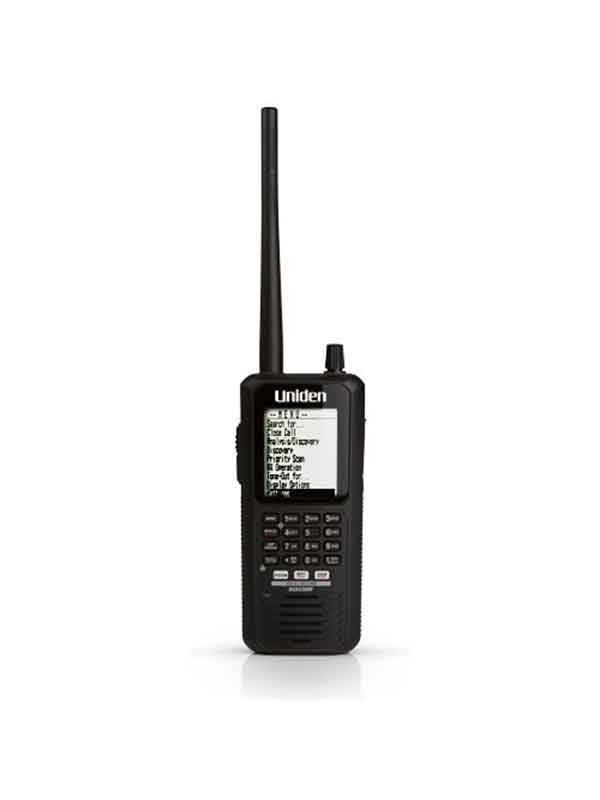
True I/Q digital handheld that decodes P25 Phase I and Phase II out of the box, with built in GPS for listeners crossing county lines around Philadelphia or the Pittsburgh metro's many small municipalities. This is the safe pick for PA STARNet adjacent counties, Allegheny's ACES system, and Philadelphia's simulcast network.
Shop SDS150Uniden SDS100: Best Value for the Same Decode Power
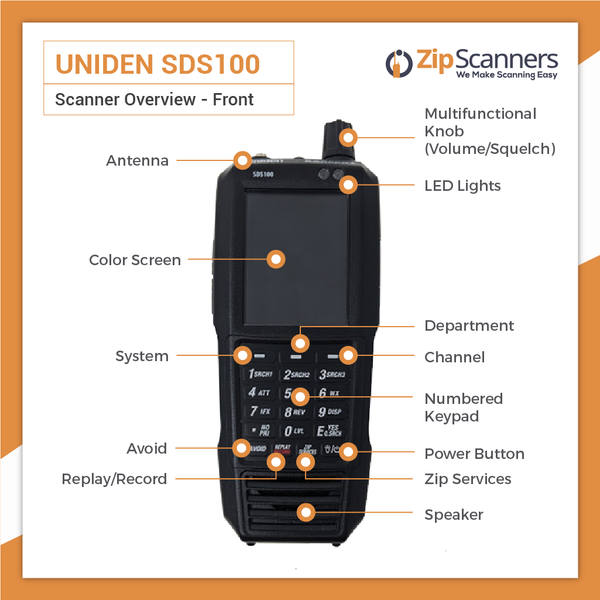
The same True I/Q core as the SDS150 without the GPS, app control, and charging cradle. A strong choice if you mainly scan from one fixed location, like a home base in Lancaster or Erie County, and do not need travel features.
Shop SDS100Uniden SDS200: Best for a Home or Vehicle Base Station
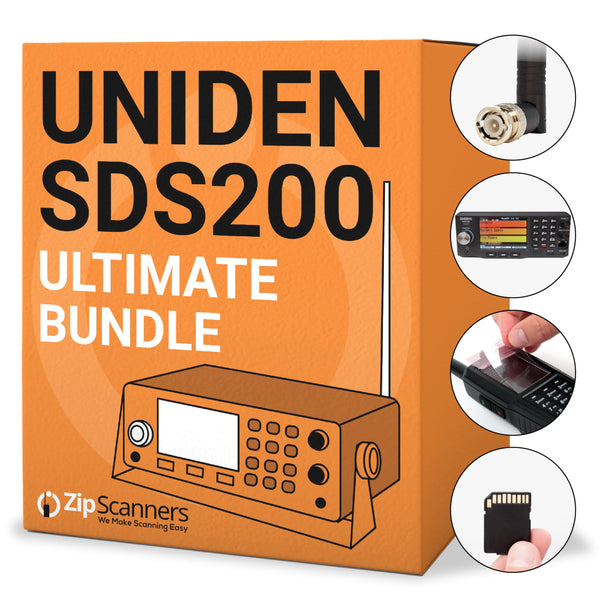
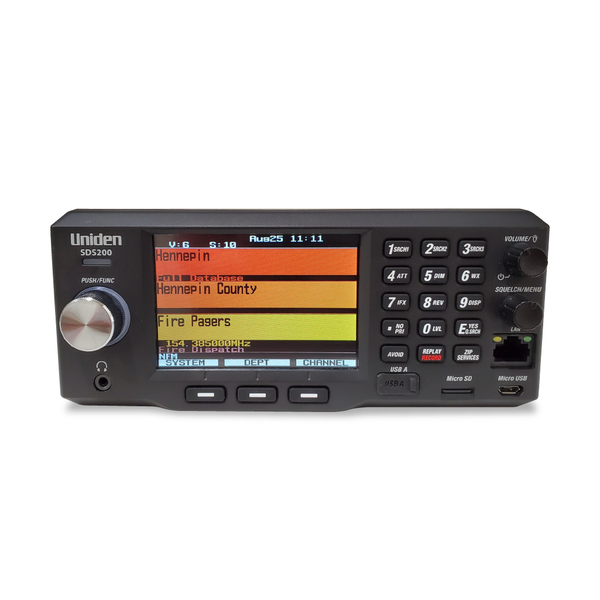
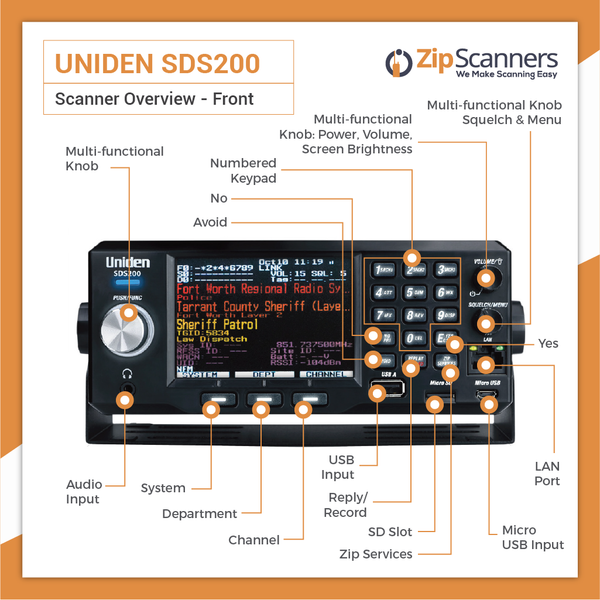
The base and mobile version of the SDS100 platform. If you are setting up a dedicated scanning station at home, this is the better long term investment over a handheld, with the same Phase I and Phase II decoding.
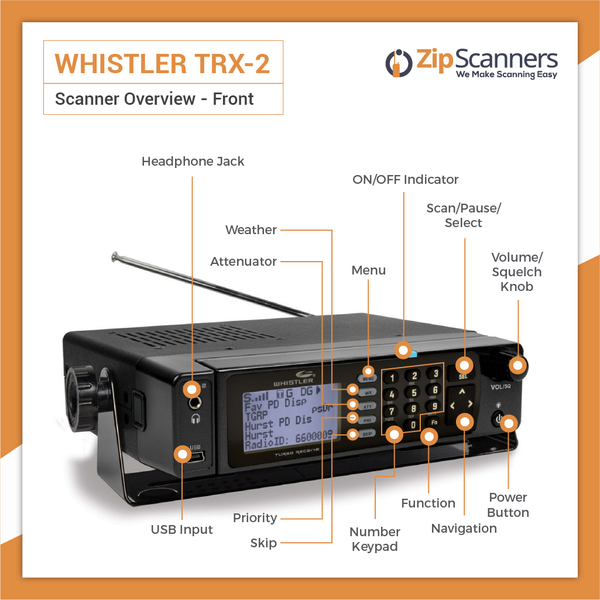
Shop SDS200Whistler TRX-1: Best for Mixed Digital Counties
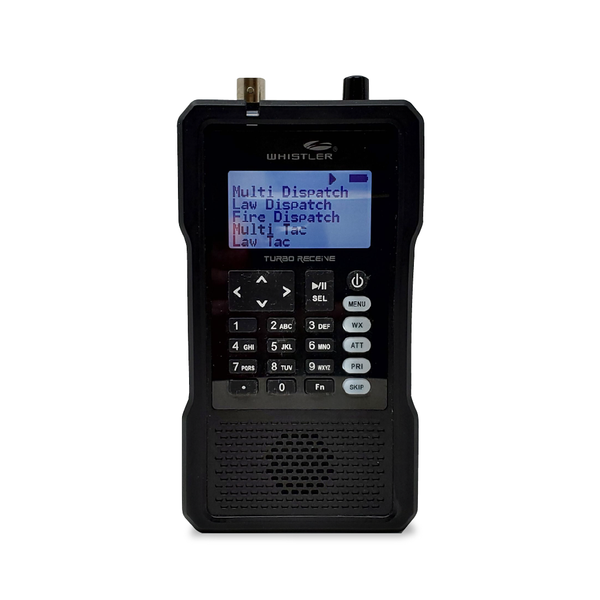
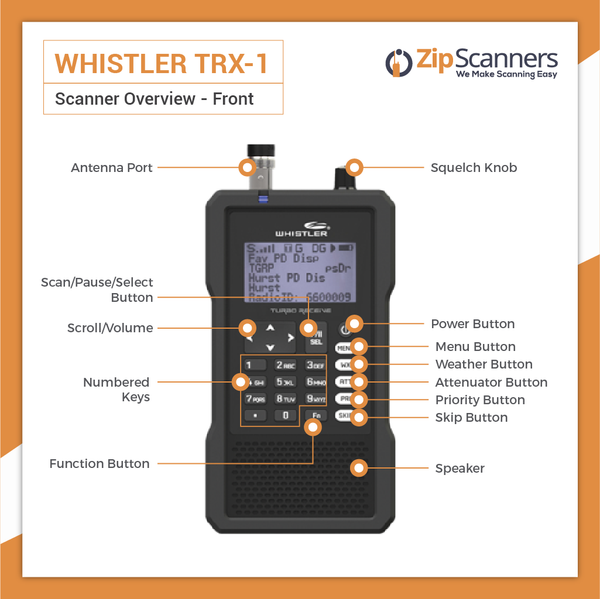
Pre decodes ProVoice, DMR, and NXDN with no paid upgrade keys, which matters in rural and central PA counties that still mix legacy EDACS with newer digital infrastructure. A solid alternative if your county's system type is not pure P25.
Shop Whistler TRX-1Not sure which scanner fits your county?
Book a free call with a Zip Scanners expert. We will look up your specific county and tell you exactly what to buy.
Book a Free CallHow to Program for Your PA County
Programming a Pennsylvania trunked system correctly means working from your county's actual RadioReference page rather than guessing. Here is the process:
- Go to RadioReference.com, select Pennsylvania, then your county, and find the trunked system covering your area (county TRS, ACES, or the Philadelphia simulcast pages).
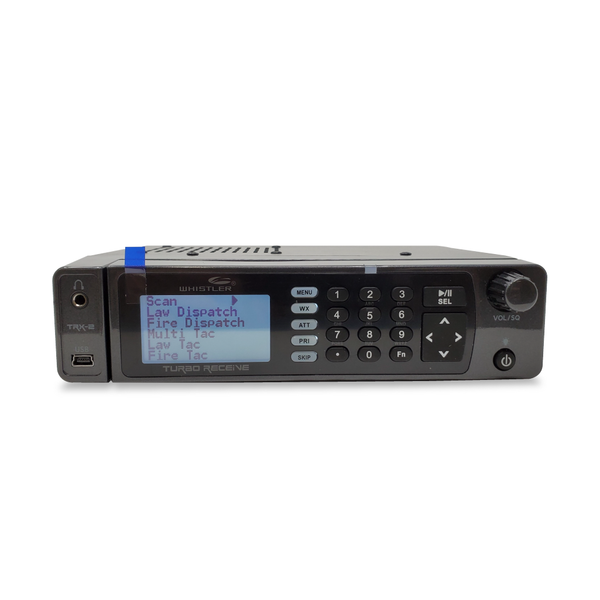
- Note whether the system is P25 Phase I or Phase II. Most newer PA county systems and PA STARNet are Phase II, which requires a Phase II capable scanner like the SDS150, SDS100, SDS200, or TRX-1.
- Check the talkgroup list for "E," "DE," or "TE" tags. Those talkgroups are fully encrypted and there is no point programming them, your scanner will only produce silence or a digital chirp.
- Use Uniden Sentinel or Whistler EZ Scan to import the county system directly rather than hand entering frequencies and talkgroup IDs.
- If you regularly cross between counties, like commuting between Philadelphia and Montgomery County, or around Pittsburgh's borough lines, enable GPS based scanning so the radio automatically prioritizes the right system as you move.
Every scanner purchased from Zip Scanners includes free expert programming. We do this research for you, including checking current encryption status for your county, and ship the scanner ready to scan.
Frequently Asked Questions
Can I monitor Pennsylvania State Police on any scanner?
No. PSP moved its entire dispatch operation onto the encrypted PA STARNet system. No consumer scanner, regardless of price, can decode that traffic. You may occasionally catch a barracks using an old VHF tactical backup channel in the clear, but routine PSP dispatch is closed statewide.
Is Philadelphia worth scanning if some talkgroups are encrypted?
Yes. The routine district patrol, fire, and EMS dispatch talkgroups that make up the bulk of day to day activity remain unencrypted. You lose tactical and specialized units, but the core of what most listeners want to hear is still there.
Why is Pittsburgh still mostly analog in 2026?
The city has not yet completed its move onto Allegheny County's P25 Phase II trunked system. Budget timing and coordination across dozens of municipalities in the metro area have slowed the rollout. Buying Phase II capable now protects you once the migration is finished.
Do I need the SDS150 or will the SDS100 work for my PA county?
Both decode the same systems with the same True I/Q performance. The SDS150 adds built in GPS, an included Waterfall feature, USB-C, and a charging cradle, which matter more if you travel between counties. If you scan from one fixed home location, the SDS100 saves money with no loss in decode capability.
Ready to Hear What's Happening in Your County?
Talk to a Zip Scanners expert about your specific Pennsylvania county, free of charge.
Schedule Your Free ConsultationSources: RadioReference.com, PA STARNet (Pennsylvania State Police), Allegheny County Emergency Services. Encryption status verified June 2026 and subject to change as counties complete their P25 migrations.