Best Police Scanner for Ohio: Frequencies, Systems & Recommendations
Best Police Scanner for Ohio: Frequencies, Systems & Recommendations
What Ohio's MARCS-IP system means for your scanner, county by county.
Book a Free Scanner ConsultationIf you are shopping for a police scanner Ohio residents can actually rely on, the first thing to understand is that Ohio runs almost entirely on one statewide digital network. That single fact changes which scanner you should buy, how it gets programmed, and what you will and will not be able to hear depending on which county you live in. This guide walks through how Ohio's radio system works, what is happening at the county level in the state's biggest metro areas, and which Uniden or Whistler model actually makes sense for your situation.
How Ohio's Radio System Works: MARCS-IP Explained
The backbone of Ohio public safety communication is MARCS-IP, the Multi-Agency Radio Communications System operated by the state's Department of Administrative Services. MARCS-IP is a true Project 25 (P25) digital trunked network that replaced the older MARCS Type II system, and it now carries voice traffic for the Ohio State Highway Patrol, the Department of Natural Resources, Homeland Security, the State Fire Marshal, and well over a thousand local police, fire, and EMS agencies across all 88 counties.
Two details matter most for scanner buyers. First, MARCS-IP is built on P25 Phase II infrastructure, but the system has not yet switched that mode on statewide, so most traffic you will hear today runs as P25 Phase I. Second, digital is not the same thing as encrypted. The vast majority of MARCS-IP traffic, including most sheriff and highway patrol talkgroups, is transmitted in the clear. Encryption on MARCS-IP shows up selectively, usually on SWAT, narcotics, or other tactical channels rather than across the board.
Because the system is already Phase II capable and several of Ohio's largest cities run their own separate P25 Phase II networks (more on that below), we always recommend buying a scanner built for Phase II from day one rather than a Phase I only model that could fall behind as more of the state migrates.
Ohio's Big Five: What You Can Hear County by County
Ohio's largest metro areas do not all use MARCS-IP for their police departments. Several cities run their own independent P25 systems, and a few have moved primary law enforcement dispatch to encryption entirely. Here is the current picture based on RadioReference.com county data and forum reports from local listeners.
| County / City | System | Encryption |
| Cuyahoga (Cleveland) | Greater Cleveland Regional Communications Network (P25 Phase II) | Partial, tactical and detective channels only |
| Franklin (Columbus) | Ohio MARCS-IP | Clear, except SWAT and narcotics tactical groups |
| Hamilton (Cincinnati) | Hamilton County / Cincinnati P25 | Primary law enforcement dispatch encrypted since 2023. Fire and EMS remain audible |
| Summit (Akron) | Ohio MARCS-IP, Akron uses its own P25 system | Akron PD fully encrypted. Surrounding Summit County agencies on MARCS-IP remain mostly clear |
| Montgomery (Dayton) | Ohio MARCS-IP since October 2016 | Mostly clear, fire still runs analog tone-out in a few rural pockets |
System and encryption status changes regularly. Always confirm current talkgroup status for your specific county on RadioReference.com before buying.
Outside of these five metro areas, the rest of Ohio's 88 counties run almost entirely on MARCS-IP, organized into nine highway patrol districts that also define the regional interoperability talkgroups (referred to as ECOMM and MCOMM channels) used during multi-agency incidents and severe weather events.
Best Police Scanner for Ohio: Our Recommendation
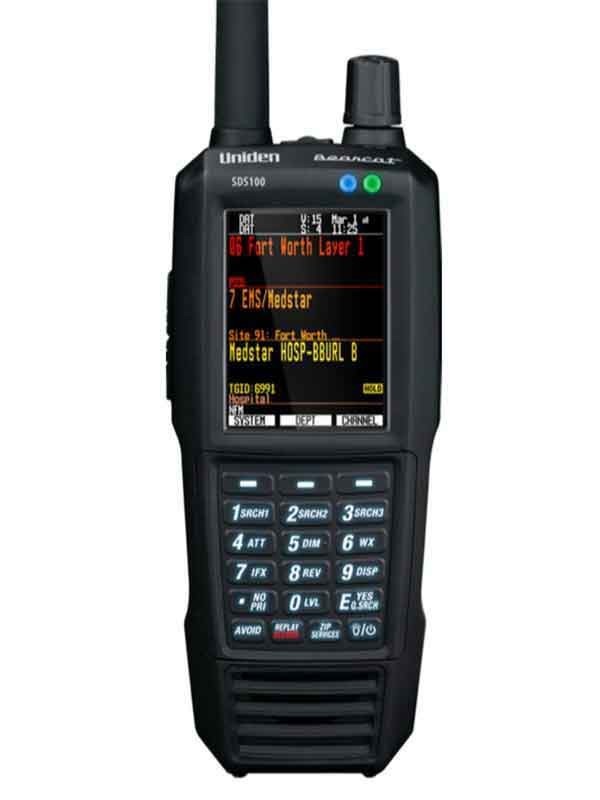
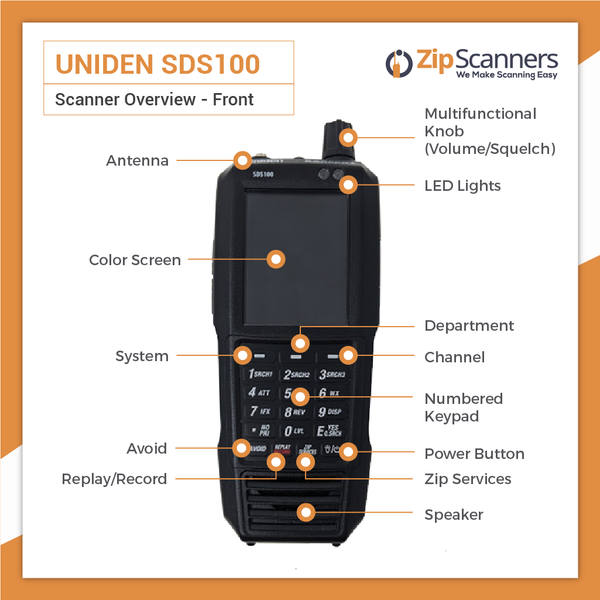
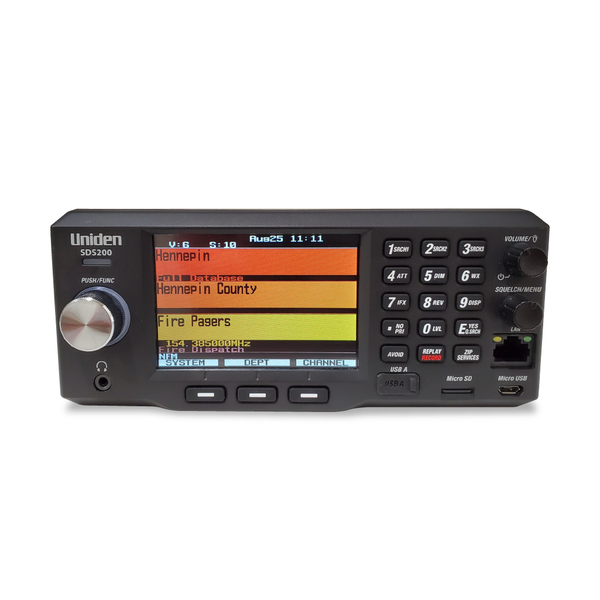
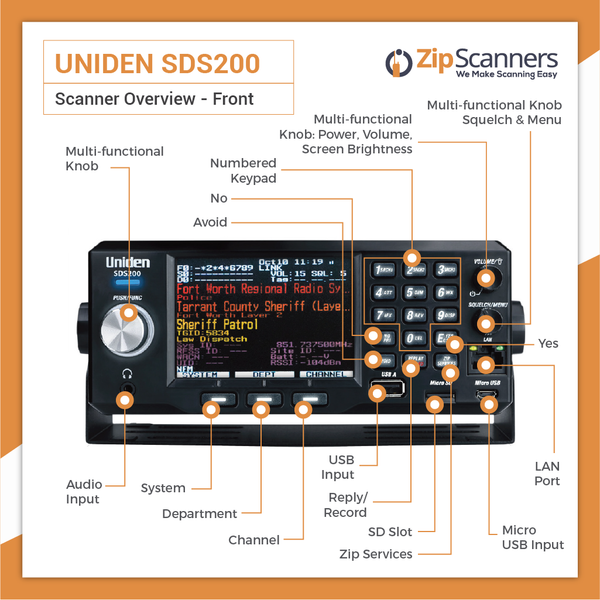
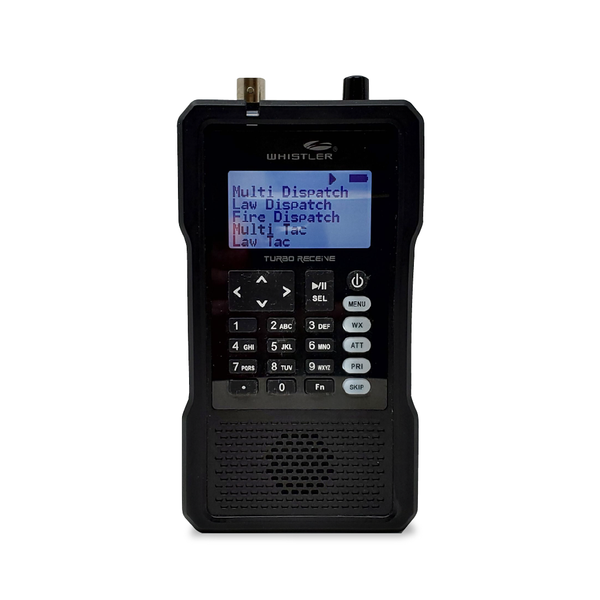
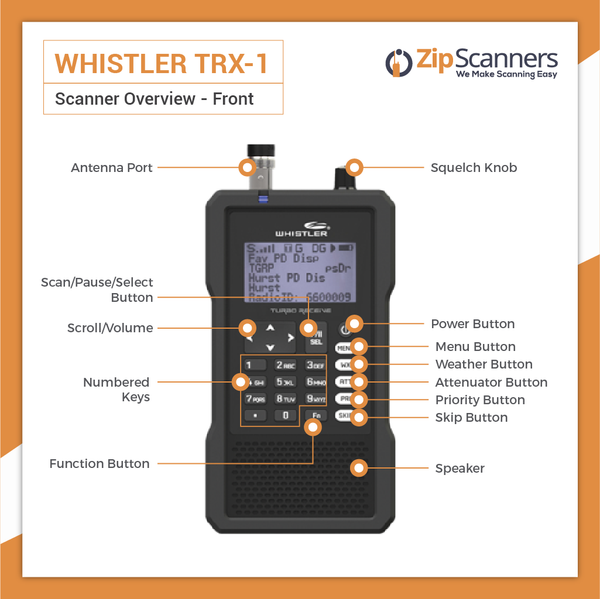
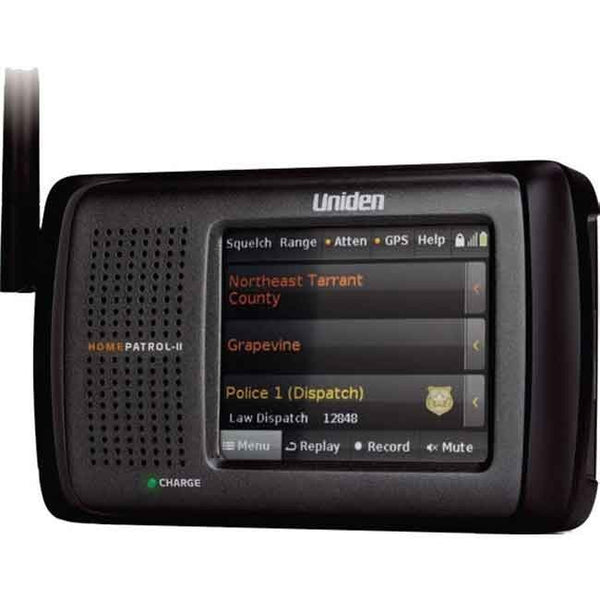
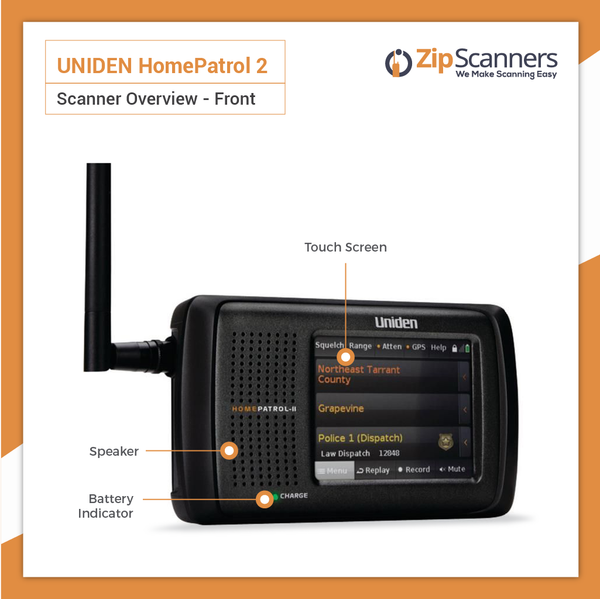
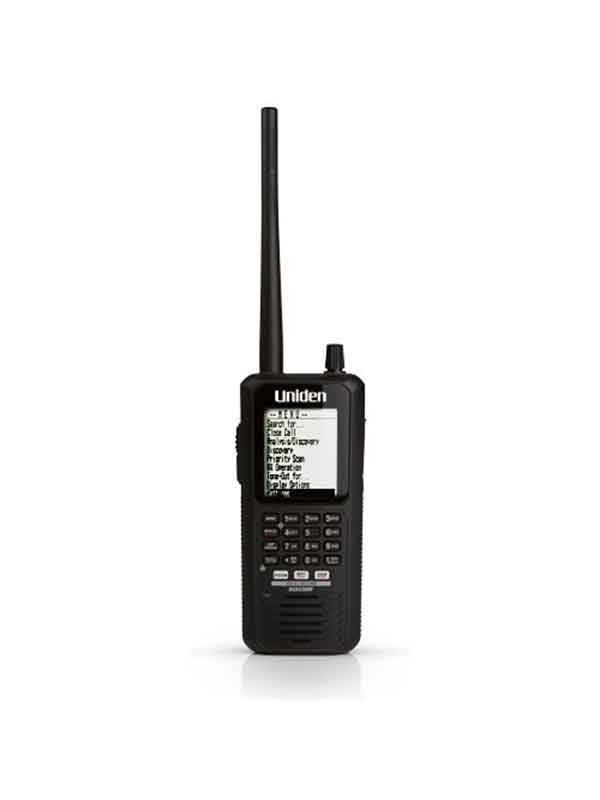
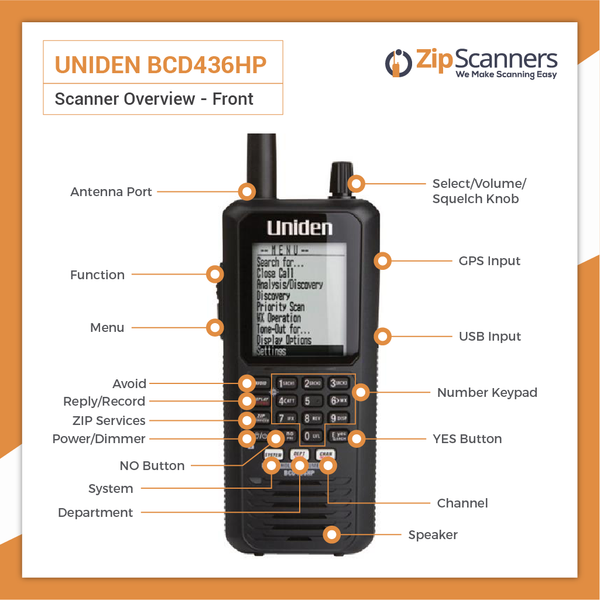
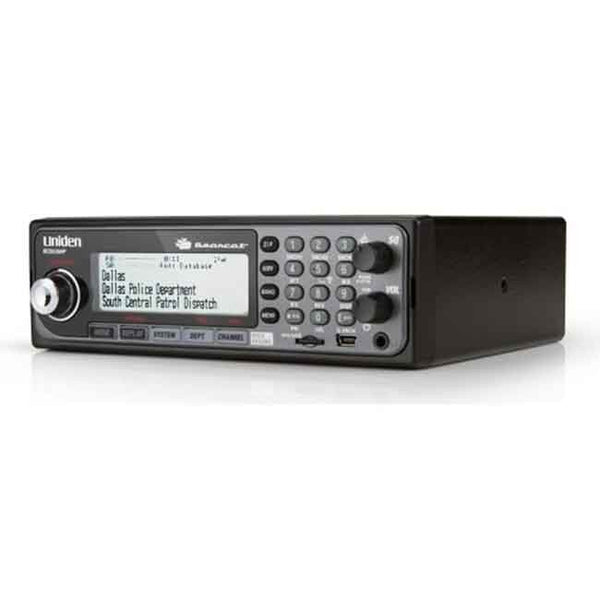
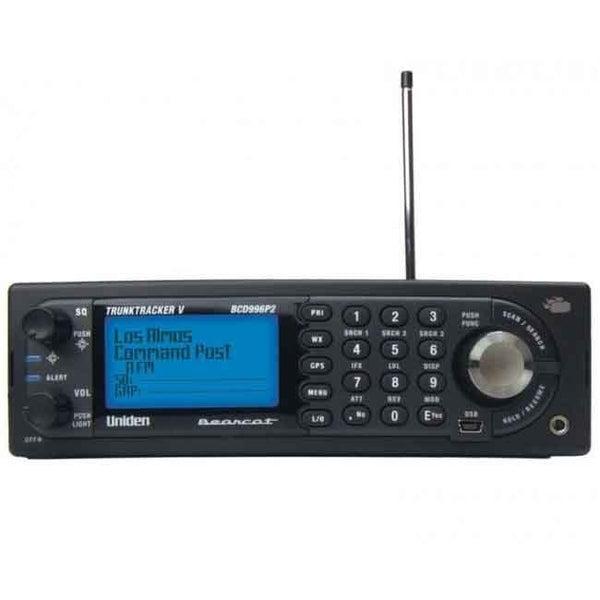
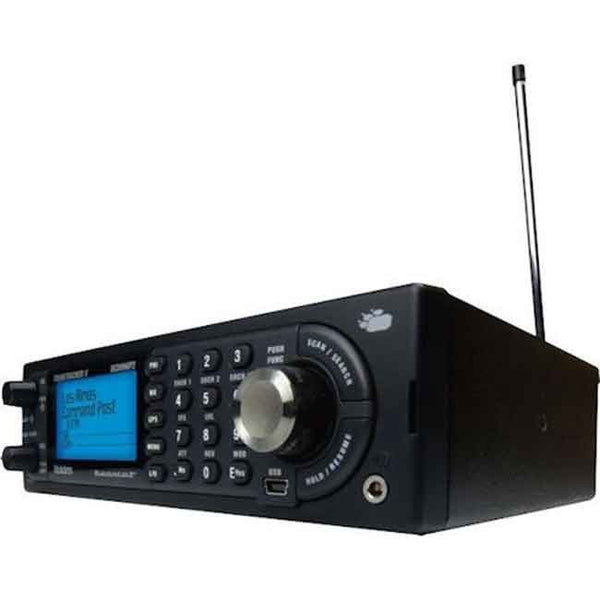
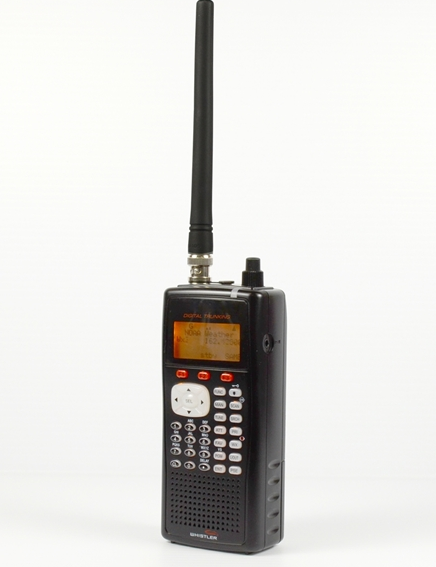
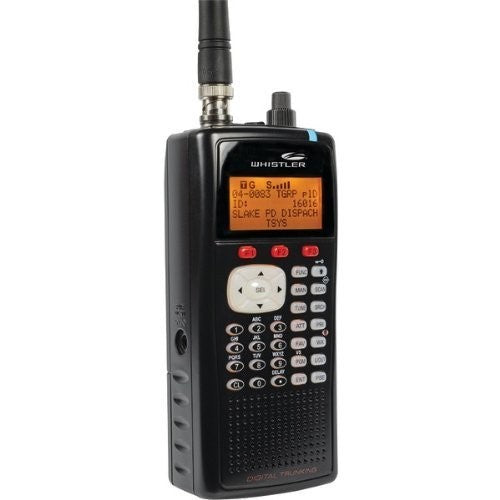
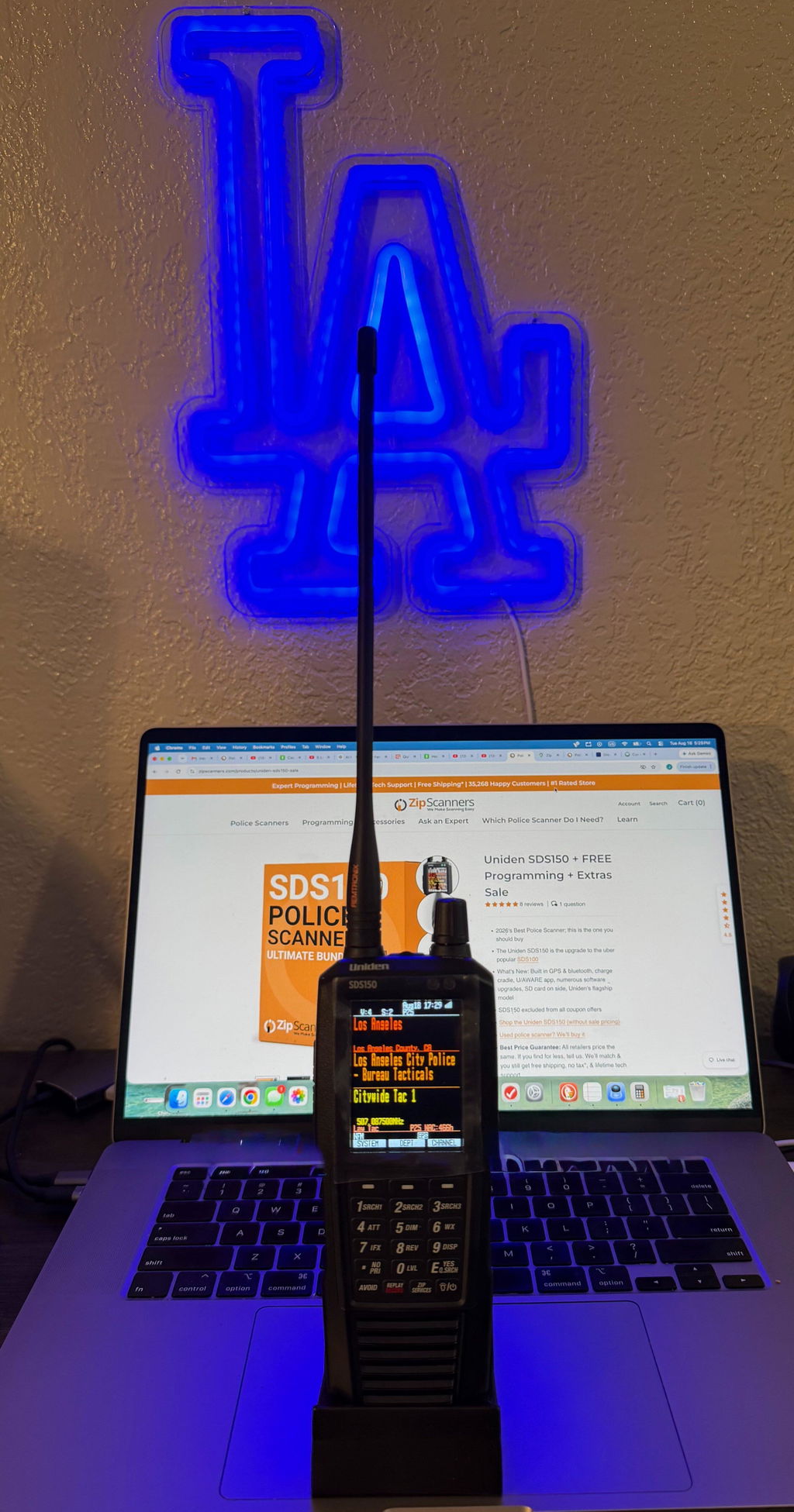
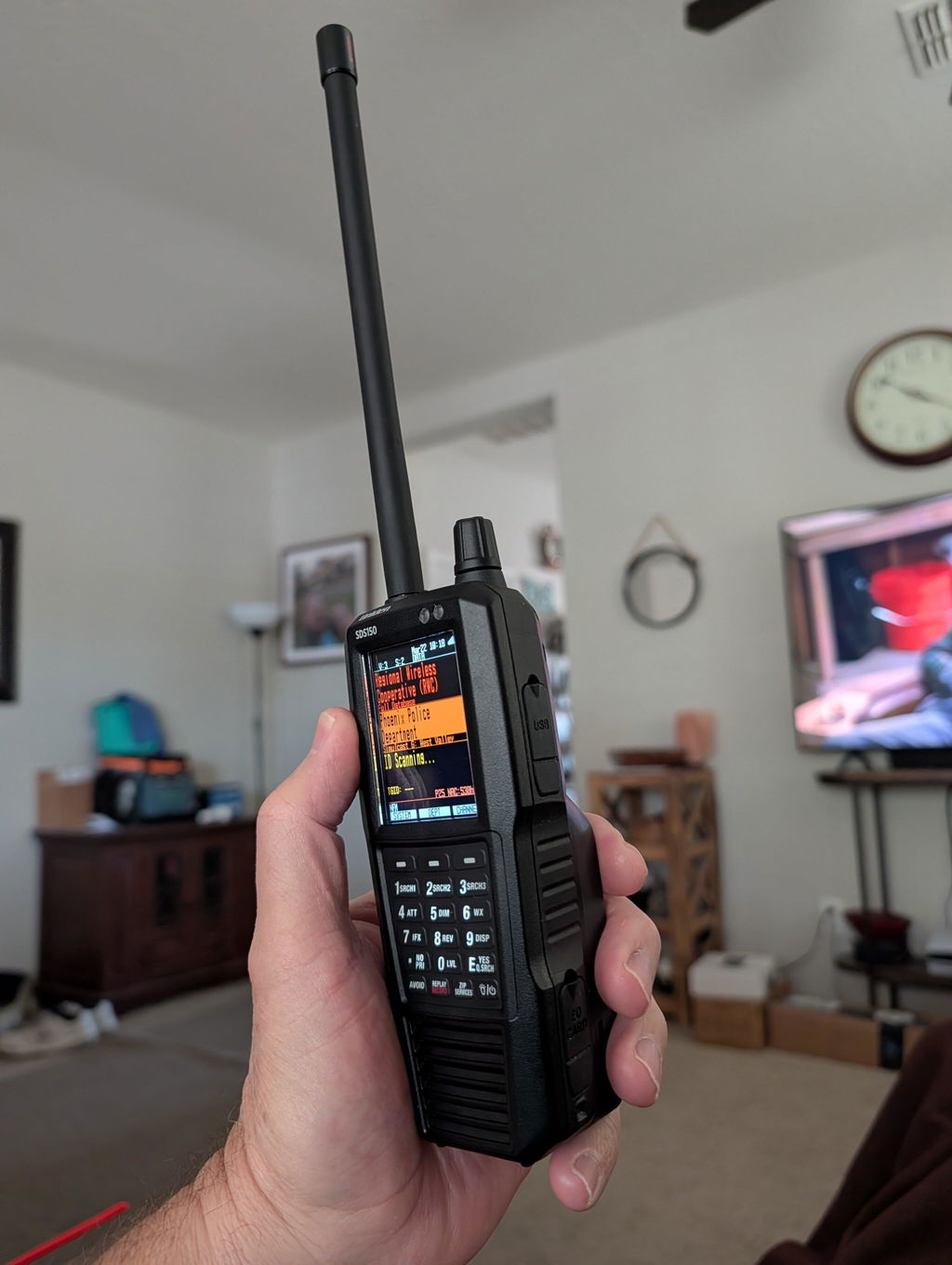
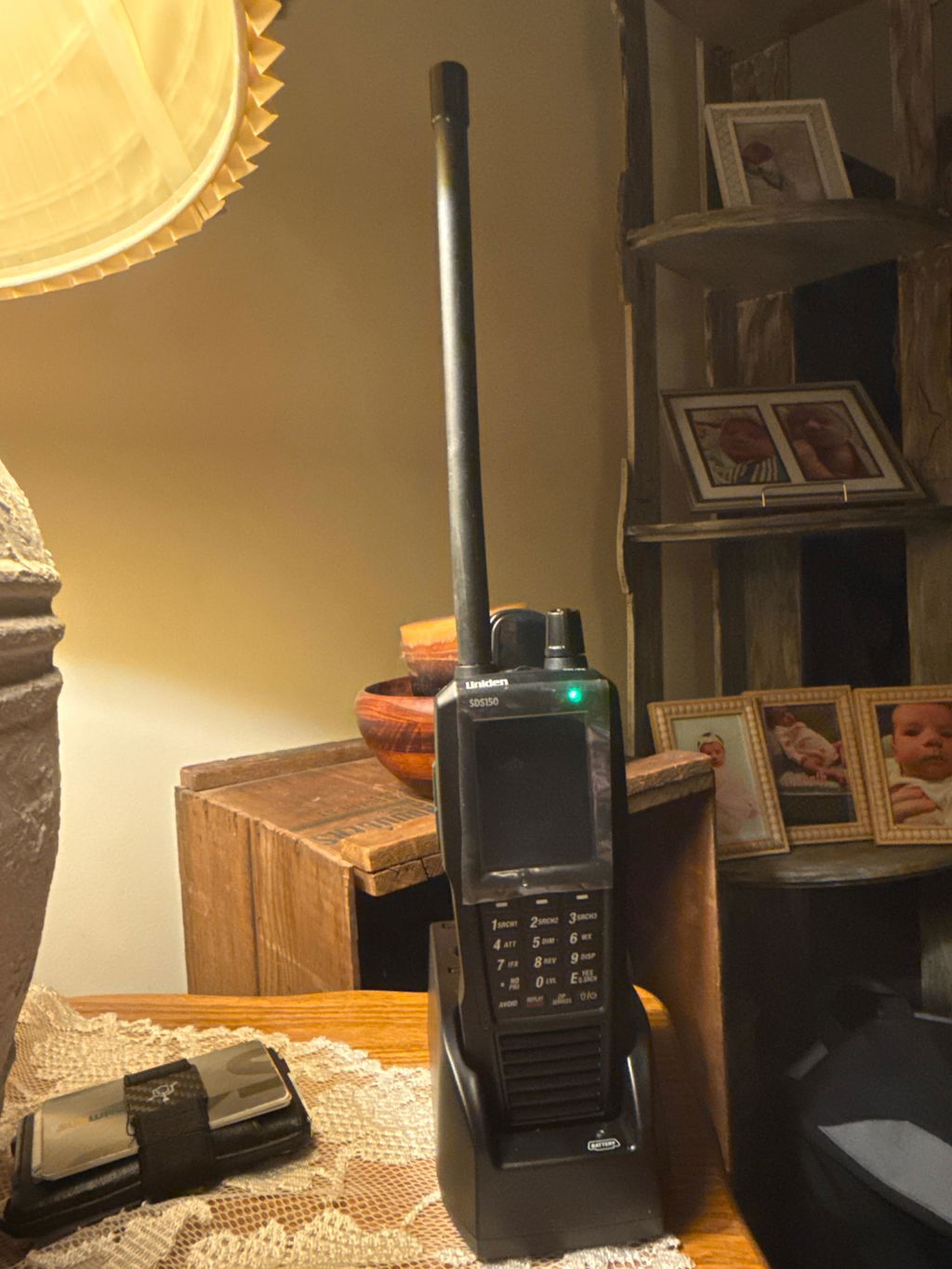
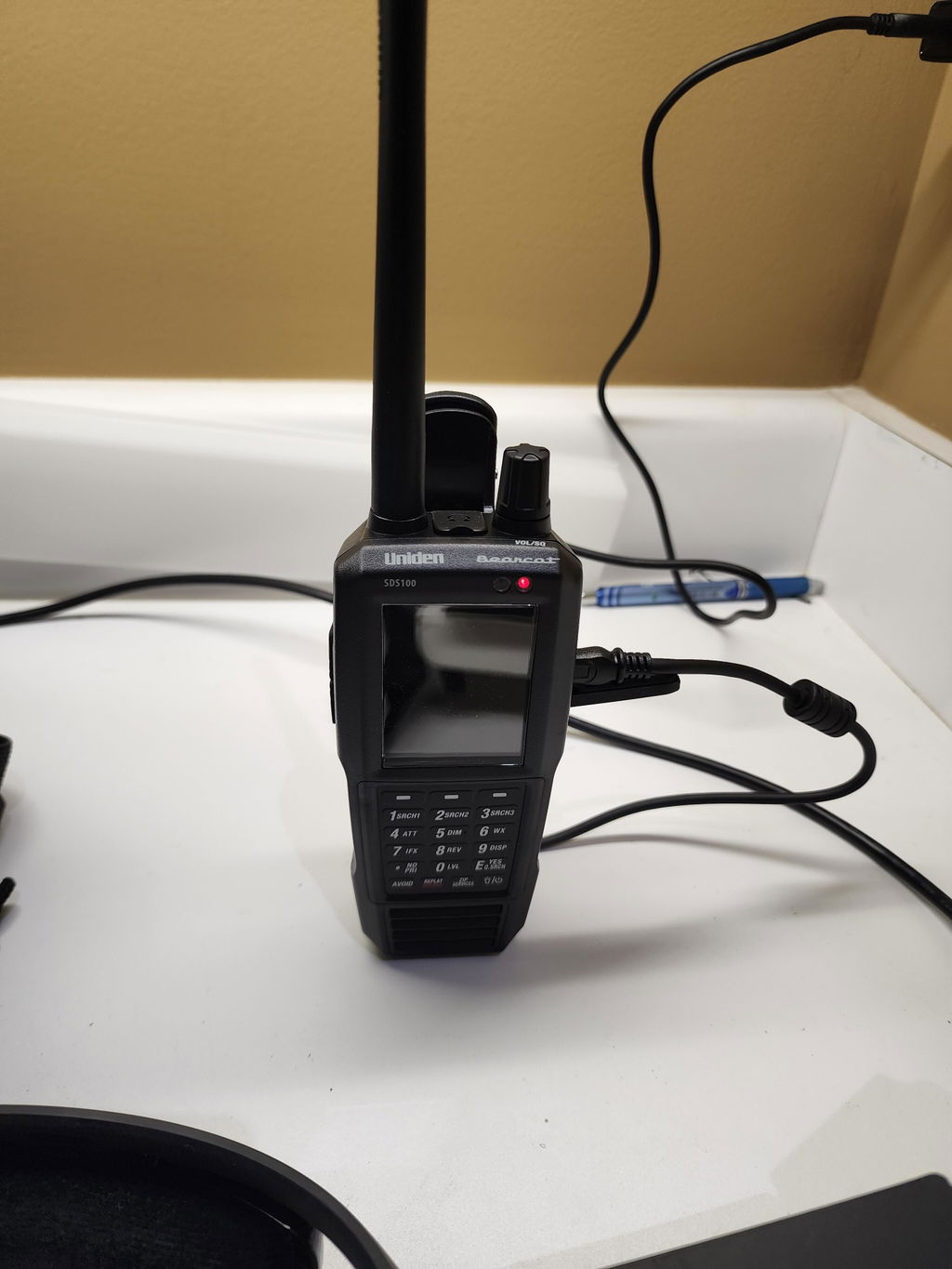
Because Ohio mixes a statewide P25 Phase I/II network with several independent Phase II city systems, you want a True I/Q digital handheld capable of handling both formats cleanly, especially in dense, simulcast-heavy areas like Cleveland, Columbus, and Cincinnati where multiple towers transmit the same talkgroup at once and cheaper scanners can produce garbled audio.
What You Can and Cannot Hear in Ohio
A digital P25 system is not automatically locked. P25 supports an optional encryption layer, and individual agencies decide whether to turn it on. In Ohio, that decision varies block by block. Hamilton County moved its primary law enforcement dispatch to full encryption in 2023, and Akron's police department followed a similar path on its own city system. Meanwhile, Columbus and most of Franklin County have stayed almost entirely clear, reserving encryption for SWAT and narcotics tactical work, and Cleveland's GCRCN system only encrypts a handful of specialized channels.
Even in counties with encrypted police dispatch, fire and EMS traffic almost always stays in the clear because those agencies rely on interoperability with mutual aid partners who may not carry the same encryption keys. No scanner, regardless of price, can decode a properly encrypted P25 talkgroup. If you are not sure what your specific township or city currently allows, our team can check before you buy.
Get Ohio scanner updates sent to your inbox
Getting Your Ohio Scanner Programmed
Zip code programming will pull in every licensed frequency near you, including utility crews, retail security, and tow trucks, which buries the police, fire, and EMS traffic you actually want. For a state like Ohio, where county lines often separate a fully clear system from a partially encrypted one a few miles away, expert programming that filters down to exactly your county's active talkgroups saves hours of manual cleanup.
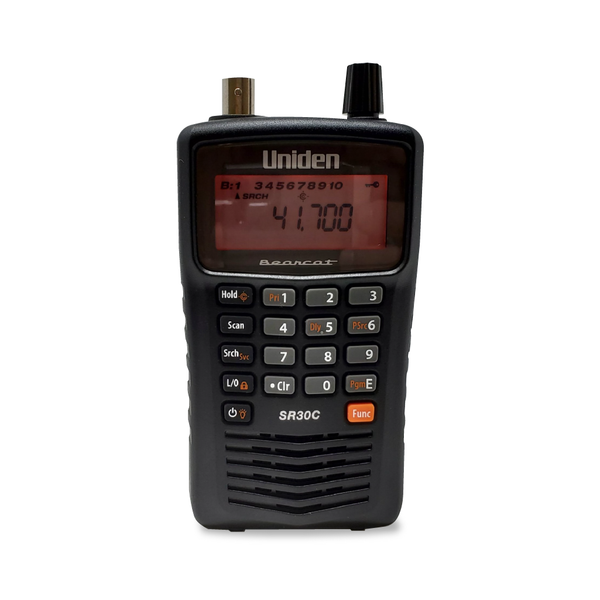
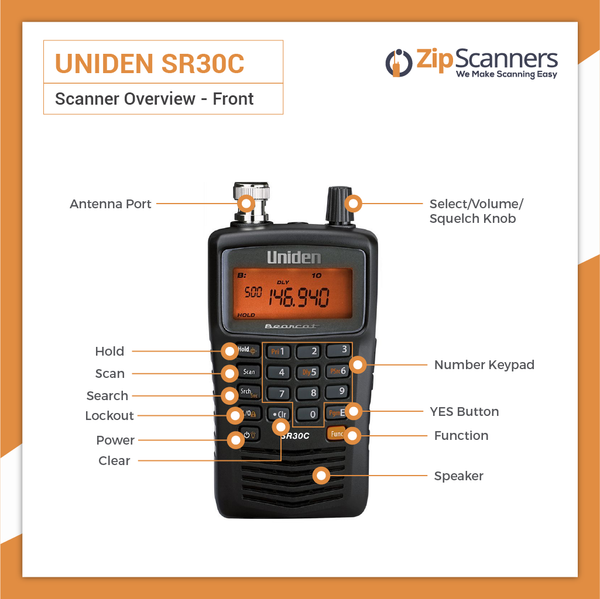
If you split time between cities, for example commuting from Summit County into Cleveland, we can program multiple counties onto separate favorites lists so you can switch between MARCS-IP and GCRCN without re-scanning from scratch. We also support listeners who want aviation or rail traffic added alongside public safety, useful near Cleveland Hopkins or John Glenn Columbus International, where the analog Uniden SR30C is a popular secondary scanner for air band monitoring.
Not sure which scanner fits your county? Talk it through with our team.
Book a Free CallOhio Police Scanner FAQ
Is Ohio's MARCS system encrypted?
Most of it is not. MARCS-IP runs as a clear digital P25 system statewide, with encryption applied selectively to specific tactical channels rather than across the whole network. Individual cities that run their own separate systems, like Hamilton County and Akron, have made different choices.
What scanner do I need for Cleveland police?
Cleveland and most of Cuyahoga County run on GCRCN, a P25 Phase II simulcast system. A True I/Q scanner like the Uniden SDS150 or SDS100 will give you the cleanest decode of that network's clear talkgroups.
Can I monitor the Ohio State Highway Patrol?
Yes, in most areas. OSHP communicates over MARCS-IP, which remains largely unencrypted statewide. Coverage and specific district talkgroups vary, so check RadioReference for your county before programming.
Is it legal to own a police scanner in Ohio?
Yes. Ohio does not restrict civilian ownership of police scanners. As with every state, using one to assist in committing a crime carries separate legal consequences, and decoding encrypted traffic without authorization is a federal issue regardless of which state you live in.
Ready to start scanning in Ohio?
Schedule Your Free ConsultationSystem and encryption details sourced from RadioReference.com county and trunked system pages and RadioReference forum discussions. Status can change without notice. Always verify current talkgroup activity for your specific address before purchasing.