Best Police Scanner for Colorado: Frequencies, Systems & Recommendations

Best Police Scanner for Colorado: Frequencies, Systems & Recommendations
Colorado is one of the harder states in the country to scan well, and it is not because of the mountains. It is because almost everything worth hearing rides on a single statewide P25 network, several of the busiest metro areas run simulcast sites that cheap scanners cannot decode, and a growing list of Front Range police departments have gone fully encrypted. Buy the wrong radio here and you will hear garbled audio or nothing at all.
Here is what actually works in Colorado, county by county.
The Colorado DTRS covers most of the state
The backbone is the State of Colorado Digital Trunked Radio System (DTRS), a Project 25 network run by the Colorado Office of Public Safety Communications. It spans roughly 215 tower sites, carries more than 1,000 local, county, state, tribal and federal agencies, and reaches about 95 percent of state highway miles. It even extends into one site in New Mexico and one in Utah.
DTRS carries a mix of P25 Phase I and Phase II traffic, so your scanner needs Phase II TDMA support. If you live in Larimer, Pueblo, Mesa, Fremont, Chaffee, La Plata, Routt, Summit, Eagle or almost any rural Colorado county, DTRS is the system you program first. The Colorado State Patrol runs nearly all of its traffic here too, out of five regional dispatch centers in Denver, Pueblo, Alamosa, Montrose and Craig.
Counties that do NOT run on DTRS
Adams, Broomfield and Weld: Front Range Communications Consortium (FRCC), a P25 Phase II system. Thornton, Federal Heights, Greeley, Westminster and the University of Northern Colorado all ride here.
Jefferson and northwest Douglas: Metro Area Radio Cooperative (MARC). Lakewood, Golden, Morrison and West Metro Fire Rescue operate here, not on DTRS.
Denver: its own P25 system, and largely encrypted.
Aurora: its own P25 system, encrypted since 2016.
Boulder: a separate municipal system, though Boulder County law enforcement remains in the clear.
If you live anywhere in the Denver metro, you will almost certainly need two or three of these systems loaded at once. That alone rules out a lot of entry level radios.
Simulcast is the real problem in Colorado
This is the single most important thing to understand before you spend money. Denver, Aurora, Adams County, Douglas County, Boulder and Colorado Springs all use simulcast sites, where several towers transmit the same signal on the same frequency at the same time. Colorado Springs alone simulcasts from six sites.
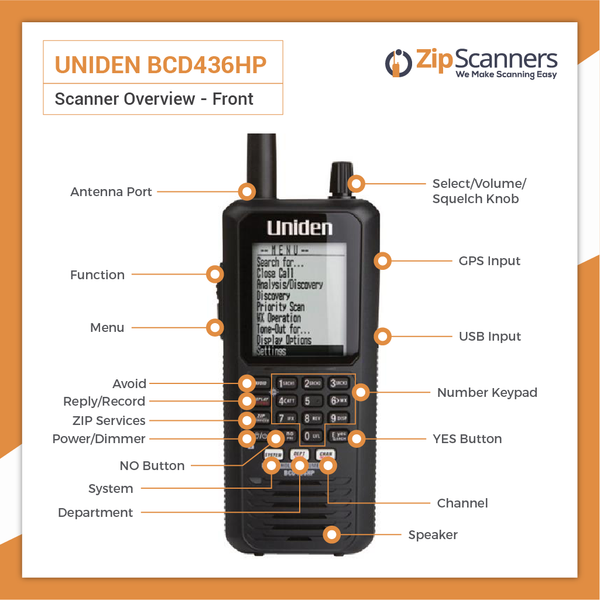
Most scanners cannot resolve those overlapping signals. You get digital garble, dropped syllables, or a channel that works one day and fails the next. Long running threads on the RadioReference forums make the same point over and over: in Colorado Springs and the Denver metro, only the Uniden SDS series decodes simulcast reliably. Older Whistler and Radio Shack models, and even well regarded units like the BCD436HP, struggle badly in these areas.
"Only the Uniden SDS100 and SDS200 are capable of decoding these signals properly."
RadioReference forum member on Colorado Springs simulcast
Encryption in Colorado: what you can and cannot hear
Colorado has moderate encryption. It is not a lost cause like some states, but the Front Range has thinned out considerably. Denver Police encrypted in 2019, Aurora went dark in 2016, and Broomfield PD runs full AES-256. By the time Denver flipped the switch, roughly 30 Colorado agencies had already encrypted.
A 2021 police accountability law, HB21-1250, requires agencies using encryption to adopt a communications access policy so news media can still monitor primary dispatch. It did not ban encryption, and it did not reopen the metro to hobbyists.
The good news is that plenty is still open. Fire and EMS remain unencrypted across most of the state, including in counties where police have gone dark. Clear Creek, Gilpin and Boulder county law enforcement are still in the clear. Colorado State Patrol, CDOT operations, search and rescue, wildland fire and the statewide mutual aid talkgroups are all monitorable, and in a state with this much wildfire and mountain rescue traffic, that is a lot of content. For a fuller breakdown, see our guide to police scanner encryption.
Our scanner recommendations for Colorado
Best overall for Colorado
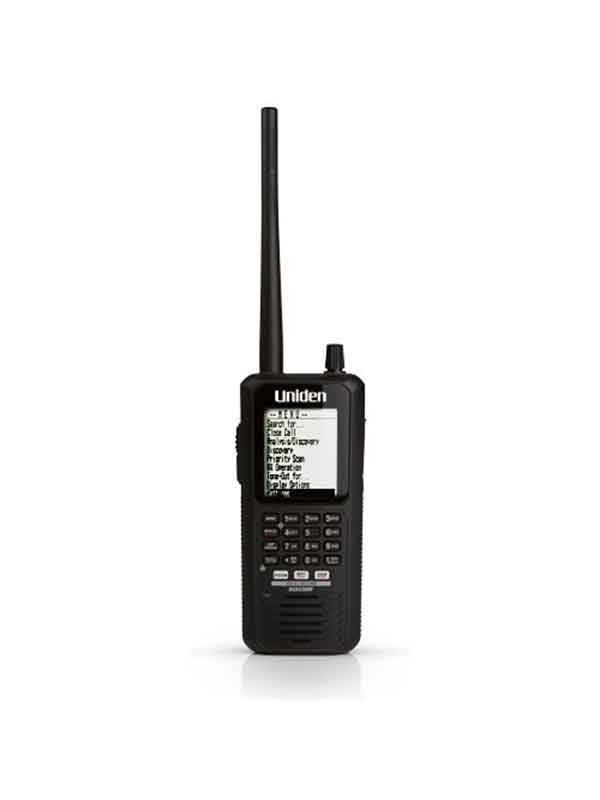
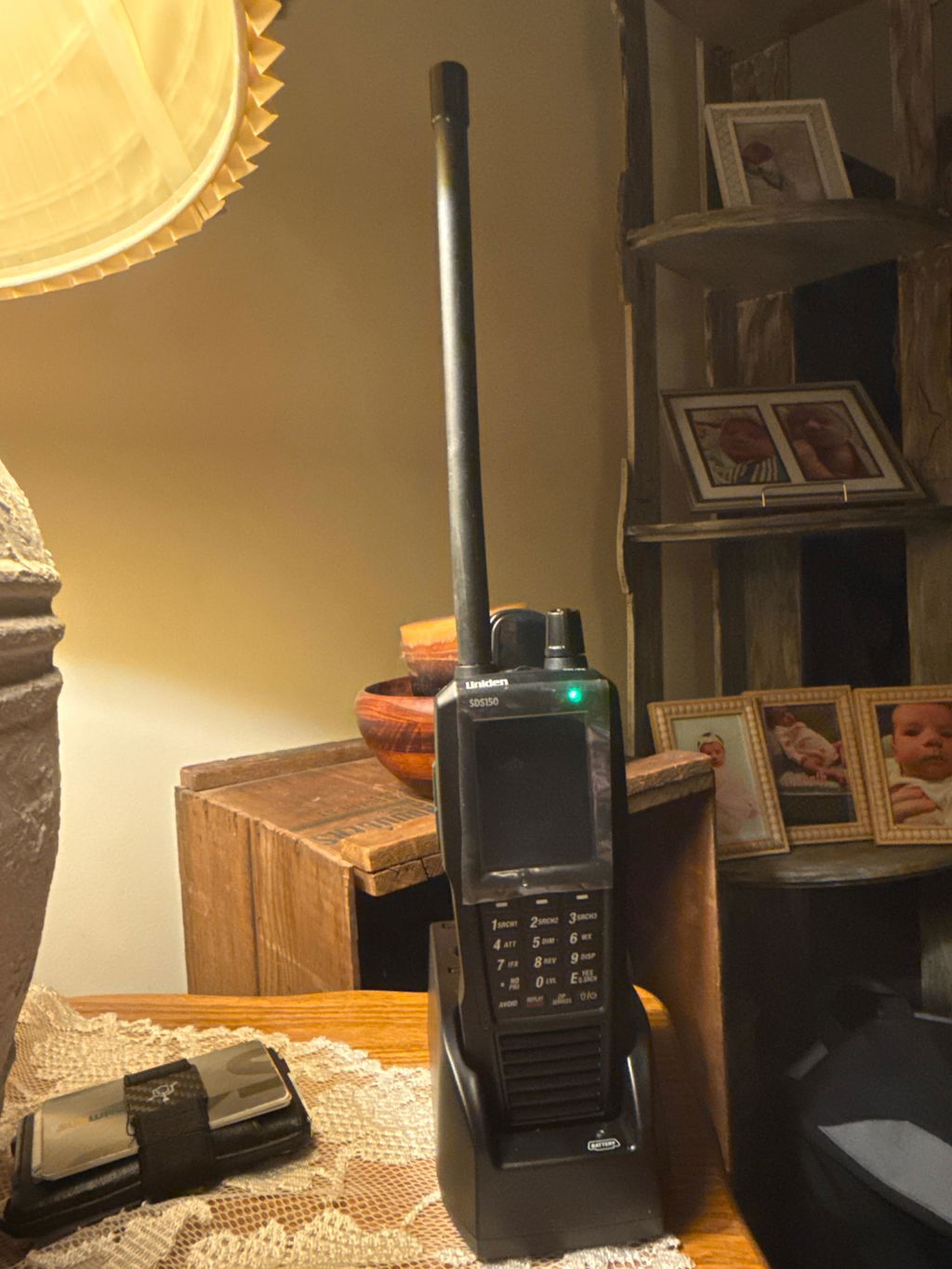
Uniden SDS150
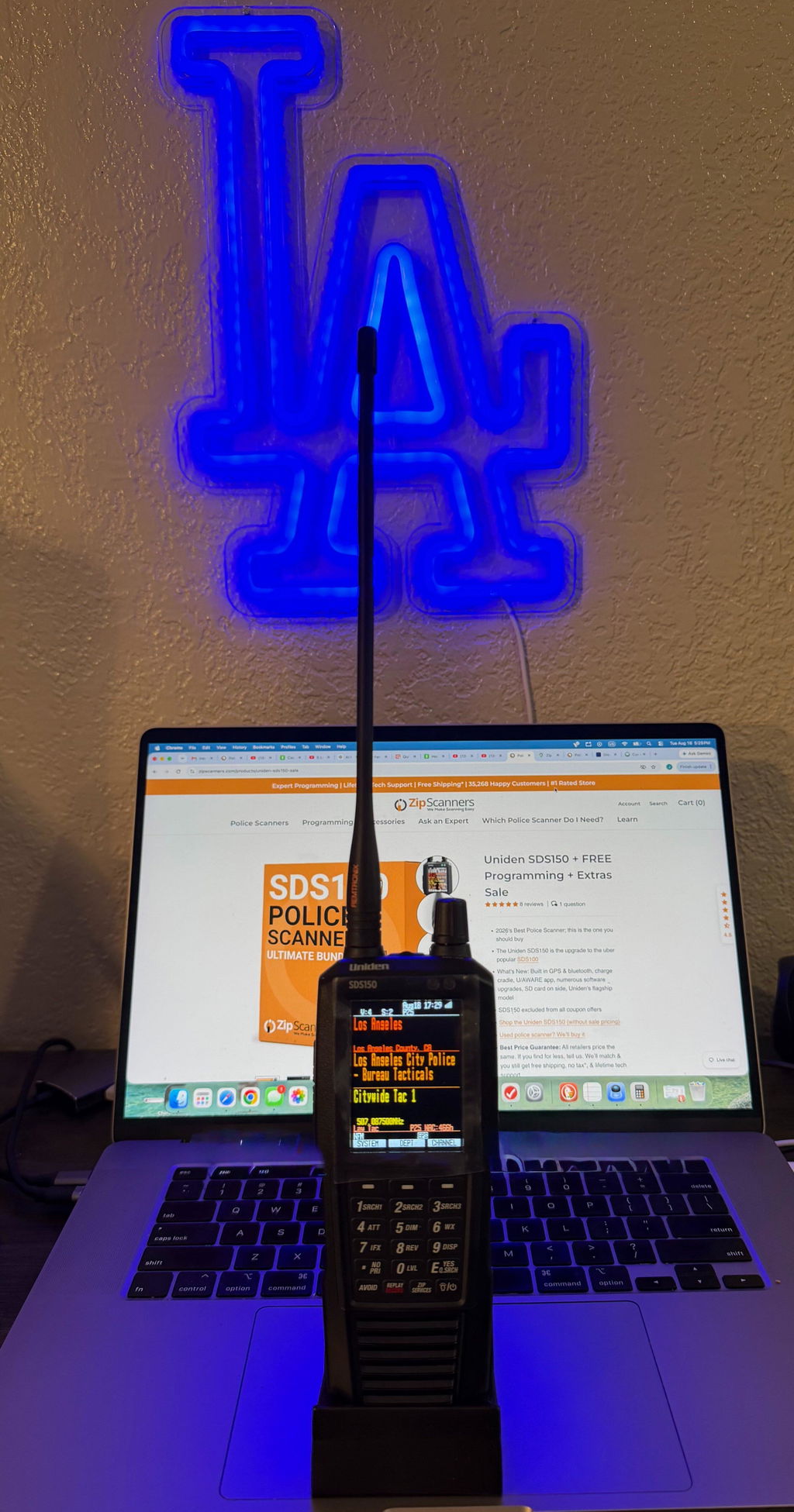
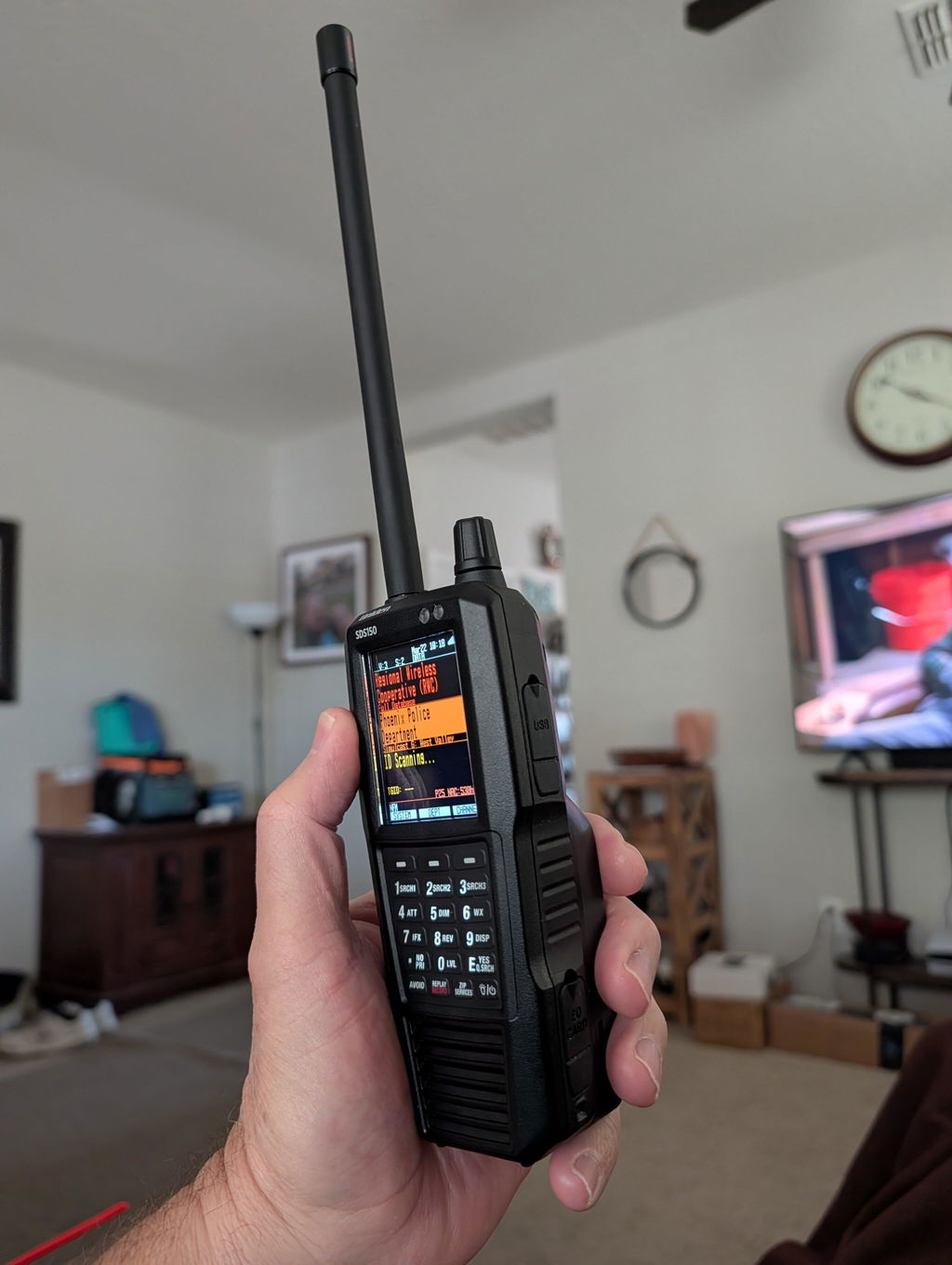
The SDS150 uses the same True I/Q receiver that made the SDS100 the default answer for simulcast areas, then adds built-in GPS. That GPS matters more in Colorado than almost anywhere else. DTRS is divided into zones, and the sites your radio should be listening to change as you drive I-25 or cross a pass on I-70. Location based scanning switches sites for you instead of forcing you to fumble through quick keys at 70 miles per hour. Bluetooth, USB-C and a charging cradle round it out.
Shop the Uniden SDS150Best value
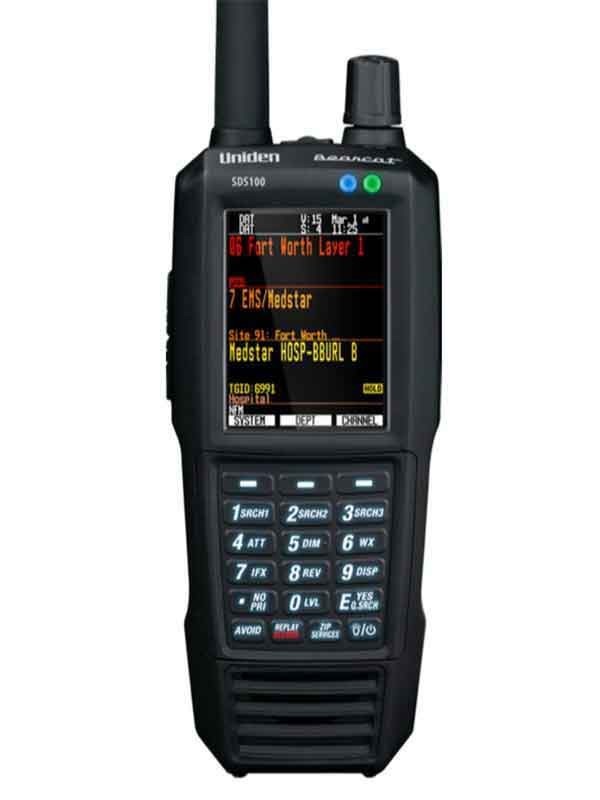
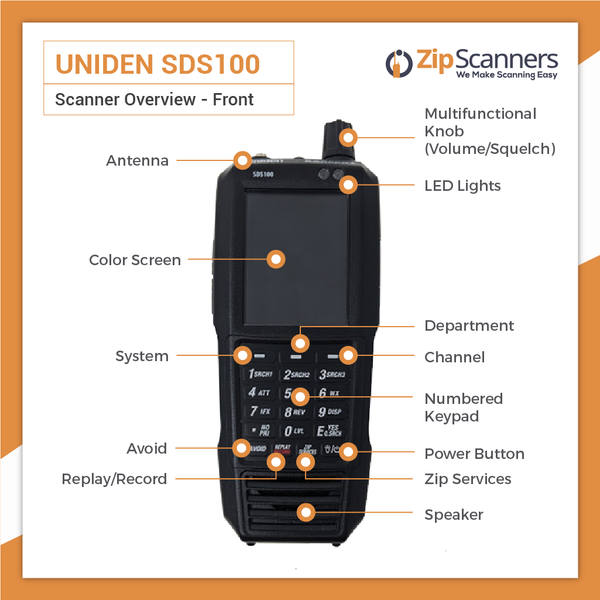
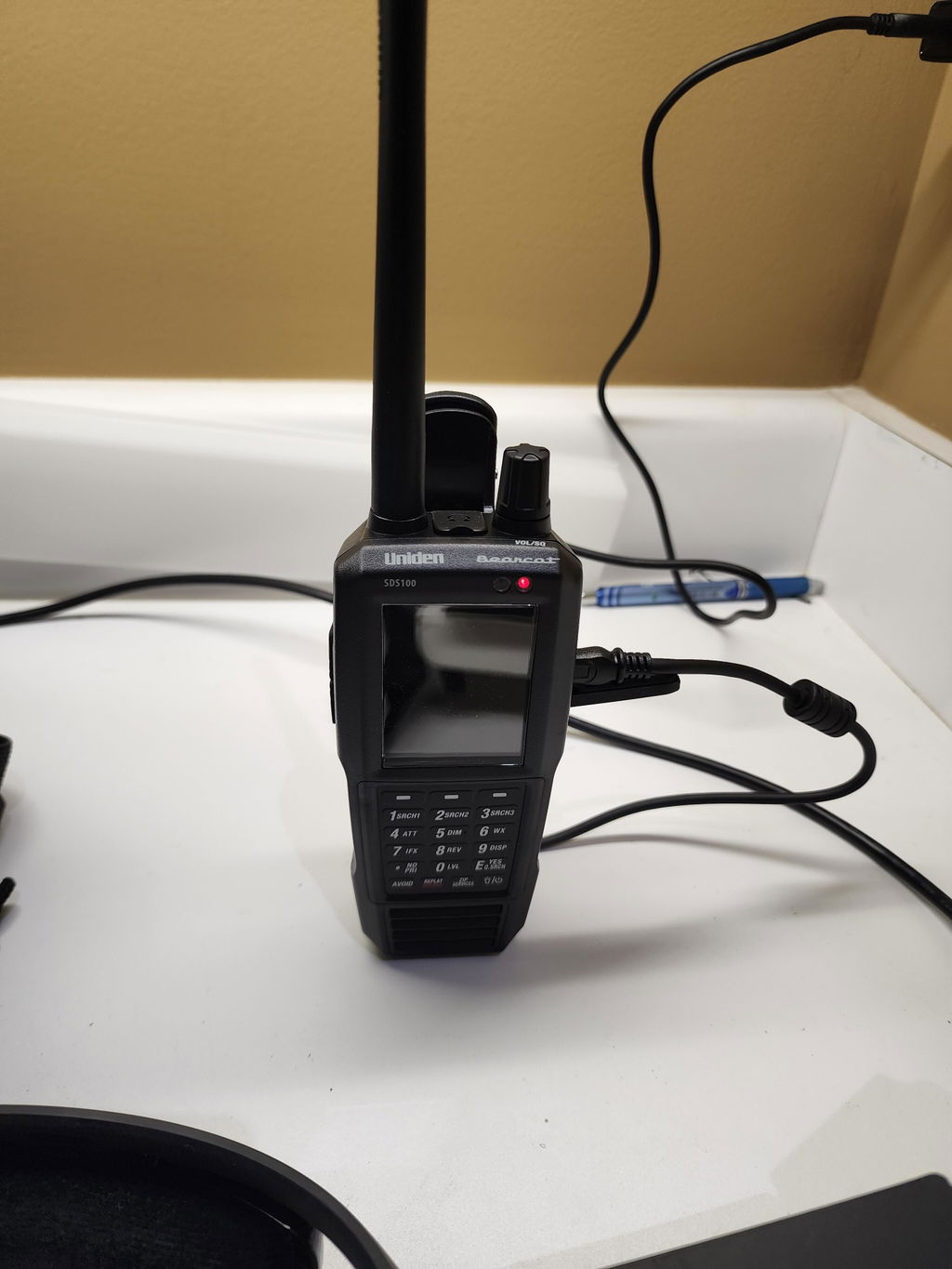
Uniden SDS100
Still the radio Colorado listeners recommend to each other. It handles DTRS, FRCC and MARC, decodes P25 Phase II, and cuts through Denver and Colorado Springs simulcast. If you scan from one location and do not need built-in GPS or phone integration, this is the smart buy.
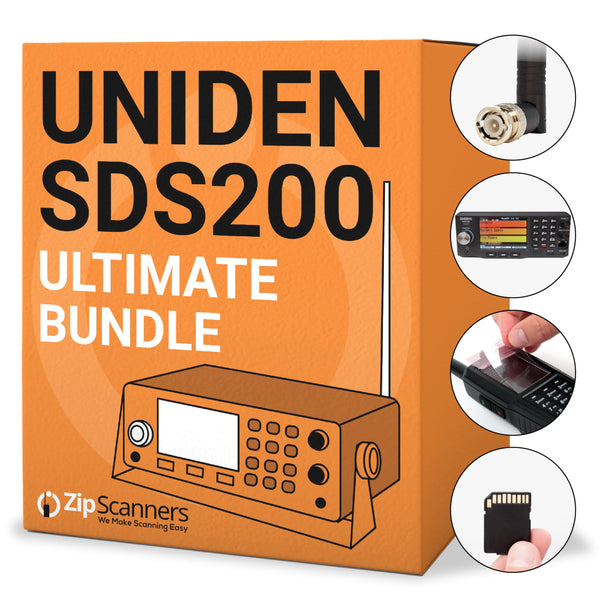
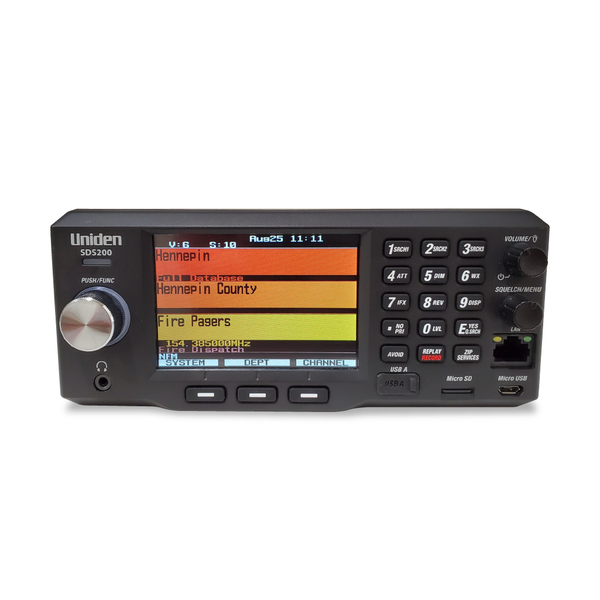
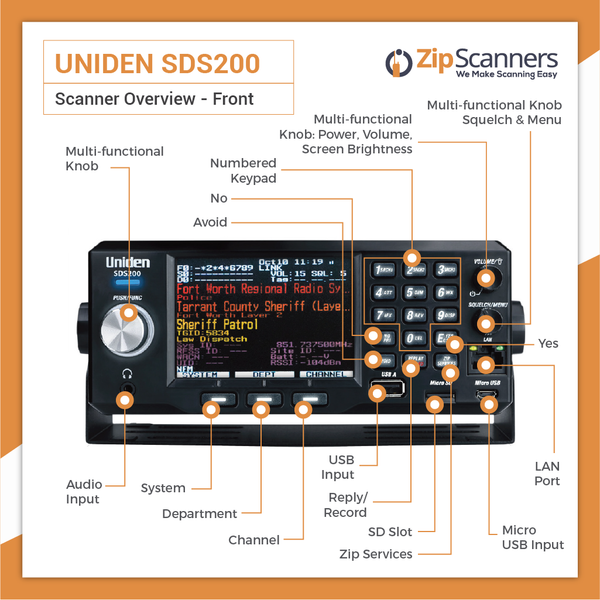
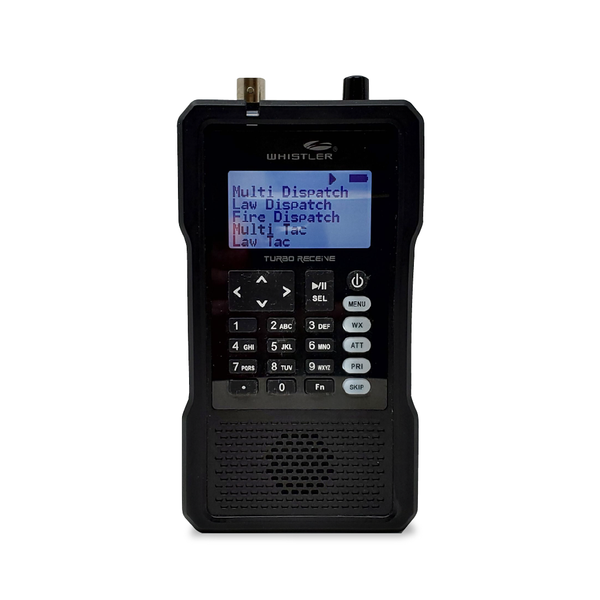
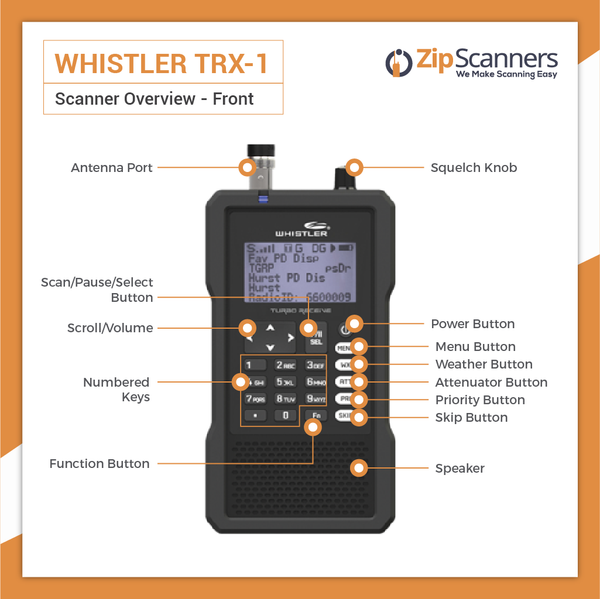
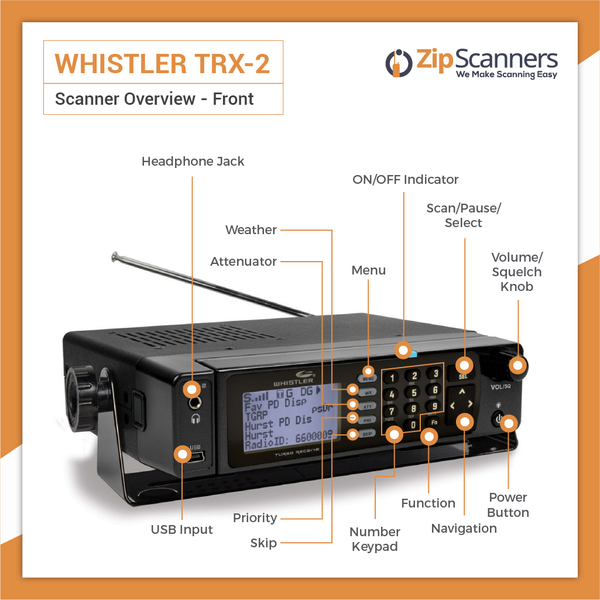
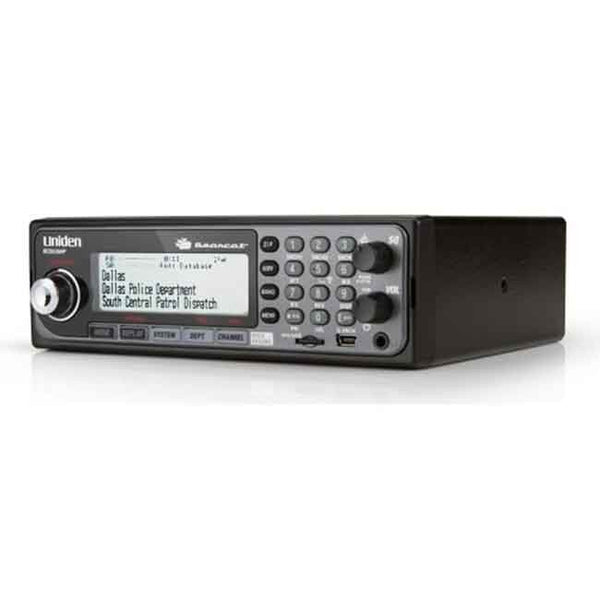
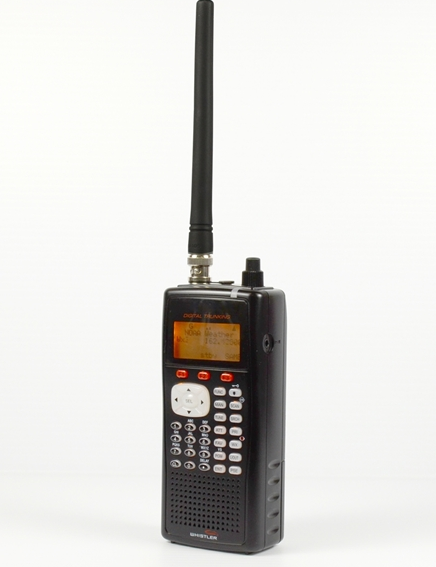
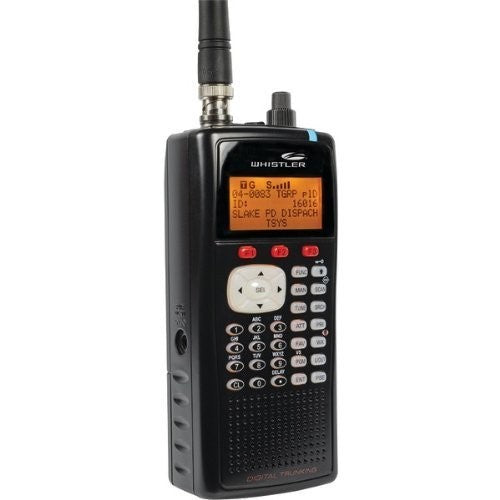
Shop the Uniden SDS100Setting up a permanent base station at home or a dash mount in the truck? The Uniden SDS200 is the base and mobile version of the same platform. Outside the simulcast counties, on the Western Slope or the Eastern Plains, the Whistler TRX-1 is a solid, lower cost option. We would not put it in Denver or Colorado Springs.
Three Colorado programming tips
1. Pick your sites, do not load them all. DTRS only transmits a talkgroup on a site where a radio is actually affiliated. Loading every site in the state means your scanner wastes time on towers 200 miles away. Choose the closest one or two sites with good coverage of your area.
2. Mind the zones. El Paso County agencies are largely restricted to Zone 4 sites. Program the Colorado Springs Simulcast site for local traffic, and add Cheyenne Mountain separately if you want the state and regional users it carries instead.
3. Turn on patch following. Colorado State Patrol dispatchers routinely patch talkgroups together, and the combinations change constantly. A scanner that follows P25 patches will keep the audio; one that does not will lose the conversation mid sentence.
One more thing worth saying plainly. The zip code feature on a Uniden will get you on the air in Colorado, but it loads everything in the region, including the snowplows, the tow companies and a wall of talkgroups you will never care about. In a state with this many overlapping systems, a properly programmed favorites list is the difference between a radio you use daily and one that ends up in a drawer.
Not sure which counties you can actually hear?
Book a free call and we will look up your exact location, tell you what is open and what is encrypted, and recommend the right radio. No pressure, no script.
Book a Call With UsCheck before you buy
Colorado systems change. Agencies migrate between DTRS, FRCC and MARC, and encryption decisions get made quietly. Before you order, pull up your county on RadioReference and check the "Last Updated" date, then skim the county wiki article for monitoring notes. Colorado has unusually good wiki coverage, and the county pages will tell you which agencies are marked with an "E" for encrypted before you spend a dollar.
Get Colorado scanner updates
System changes, encryption news and setup tips, sent when they matter. No spam.
Every scanner from Zip Scanners includes free shipping, expert programming options and lifetime technical support.