Quebec Police Scanner Guide

Quebec runs one of the most extensive provincial radio networks in Canada, and it looks nothing like the county-by-county patchwork you would find across most U.S. states. If you live in Montreal, Quebec City, or anywhere along the St. Lawrence, understanding how RENIR, Sûreté du Québec, and your local municipal service fit together will save you from buying the wrong radio. Here is what is actually on the air in Quebec right now, how much of it you can hear, and which Uniden scanner handles it best.
Quebec's police radio is province-wide, digital, and mostly encrypted. That does not mean a scanner is useless here. It means you need to know where to point it.
Quebec's Police Radio Systems: RENIR and Beyond
Most of Quebec's government radio traffic rides on RENIR (Réseau national intégré de radiocommunication), a single P25 trunked network built to cover the entire province. RENIR runs mainly on VHF, with a handful of 700 and 800 MHz sites layered in for dense areas, and it carries Sûreté du Québec (the provincial police force), the Ministère des Transports, the SAAQ, and many regional ambulance services. Sûreté du Québec alone polices every municipality under roughly 50,000 residents plus several larger ones under contract, so RENIR coverage stretches from the Outaouais to the Côte-Nord.
Montreal is the big exception. The island runs its own systems instead of RENIR: SPVM (Montreal police) and Montreal Fire (SIM) both operate on the newer SÉRAM P25 network, while Urgences-Santé (Montreal EMS) uses the separate RSP-25 Montreal system. Quebec City takes a third approach again, with city police and fire on a TETRA network. If you are buying a scanner to cover more than one of these areas, plan on programming more than one system, not just one set of RENIR frequencies.
"RENIR alone connects more than 100 transmitter sites across the province." Source: RadioReference community reporting on the RENIR system
Quebec's Radio Systems by Region
Quebec is organized into administrative regions rather than counties, so a county-level breakdown looks a little different here than it would for a U.S. state. Here is how the major regions stack up:
| Region | System | Status |
|---|---|---|
| Montreal (Island) | SPVM & SIM (SÉRAM), EMS (RSP-25) | ENCRYPTED |
| Quebec City (Capitale-Nationale) | TETRA | ENCRYPTED |
| Laval | RENIR / RSP | ENCRYPTED |
| Gatineau & Outaouais | RENIR (rollout in progress) | MIXED |
| Sherbrooke & Estrie | RENIR | MIXED |
| Saguenay-Lac-Saint-Jean | RENIR | MIXED |
| Mauricie & Centre-du-Québec | RENIR | ENCRYPTED |
| Côte-Nord | RENIR (migration completed ~2023) | ENCRYPTED |
| Montérégie | RENIR (rollout in progress) | MIXED |
"Mixed" means police dispatch is generally encrypted where migration is complete, but fire departments, public works, and in some cases legacy analog Sûreté du Québec channels are still open and worth scanning.
Is Quebec Police Radio Encrypted?
Mostly, yes, and it is worth being upfront about that. Sûreté du Québec traffic on RENIR uses AES256 encryption once a region finishes its migration, and both Montreal's SPVM and Quebec City's TETRA network are encrypted as well. No scanner, including anything Uniden makes, can decrypt AES256. That is not a limitation of the radio. It is how the encryption is designed to work everywhere in the world.
What that does not mean is that a scanner has nothing to offer. Fire departments (Incendie in Quebec), public works, transportation crews, and many EMS support channels are still transmitted in the clear across large parts of the province, and a few regions, notably parts of the Outaouais and Montérégie, still run legacy analog Sûreté du Québec channels that have not yet migrated to RENIR. Aircraft and rail communications are also open and bilingual, which is handy if your French is still a work in progress.
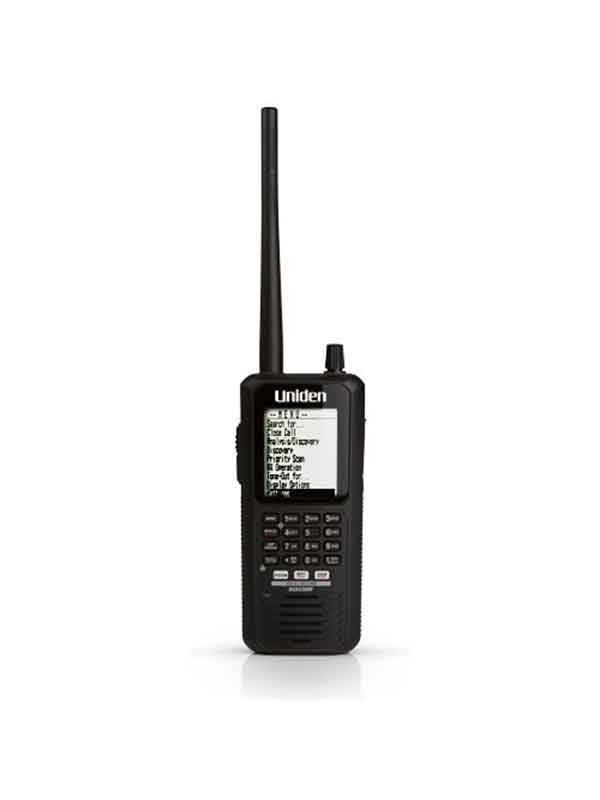
Best Scanners for Quebec: Uniden SDS100 vs. SDS150
Both scanners track P25 Phase I and Phase II, so either one will follow RENIR, SÉRAM, and the rest of Quebec's trunked systems without missing a beat. The difference comes down to how much RF headache you are dealing with and which extras you want.
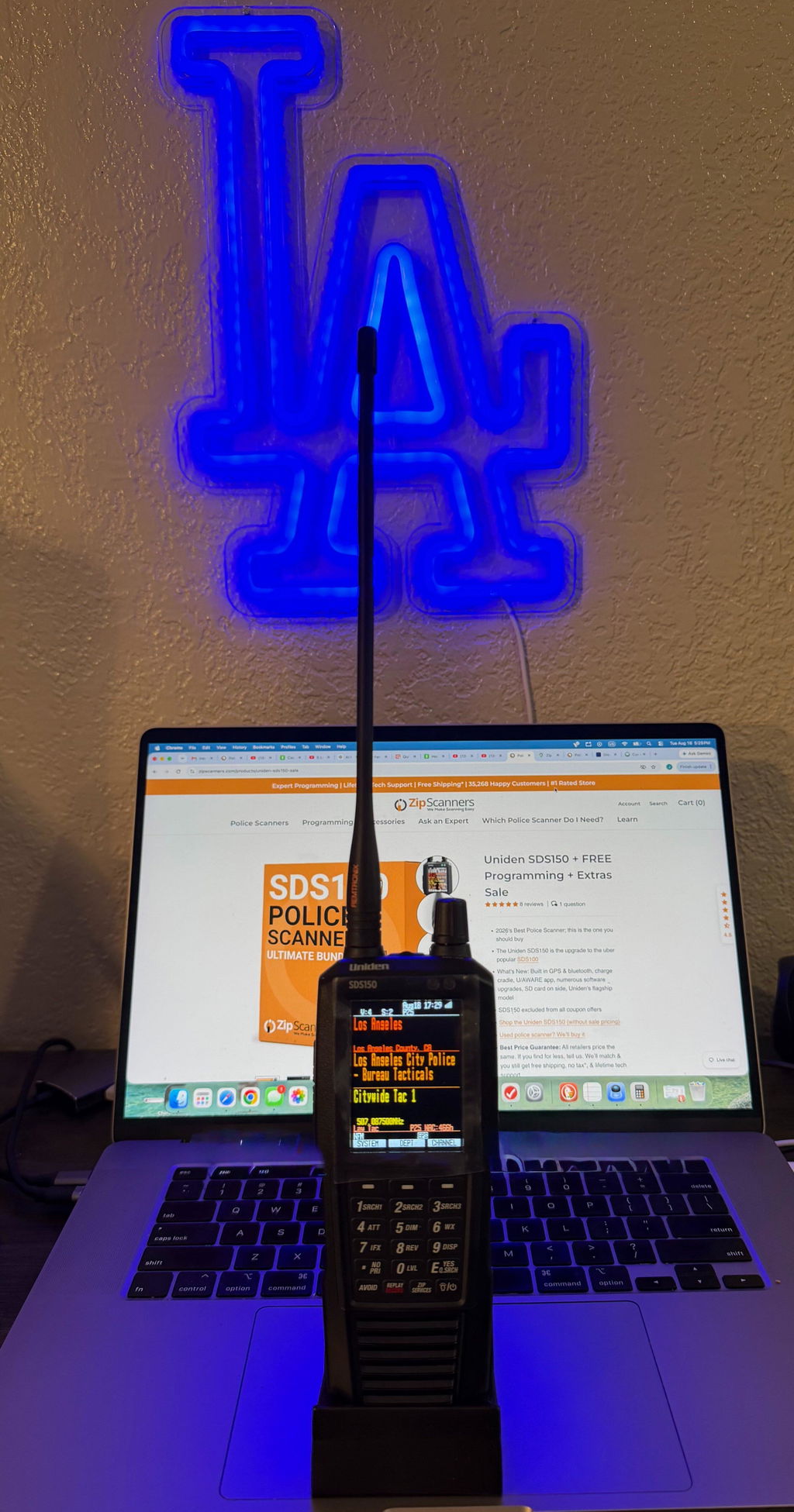
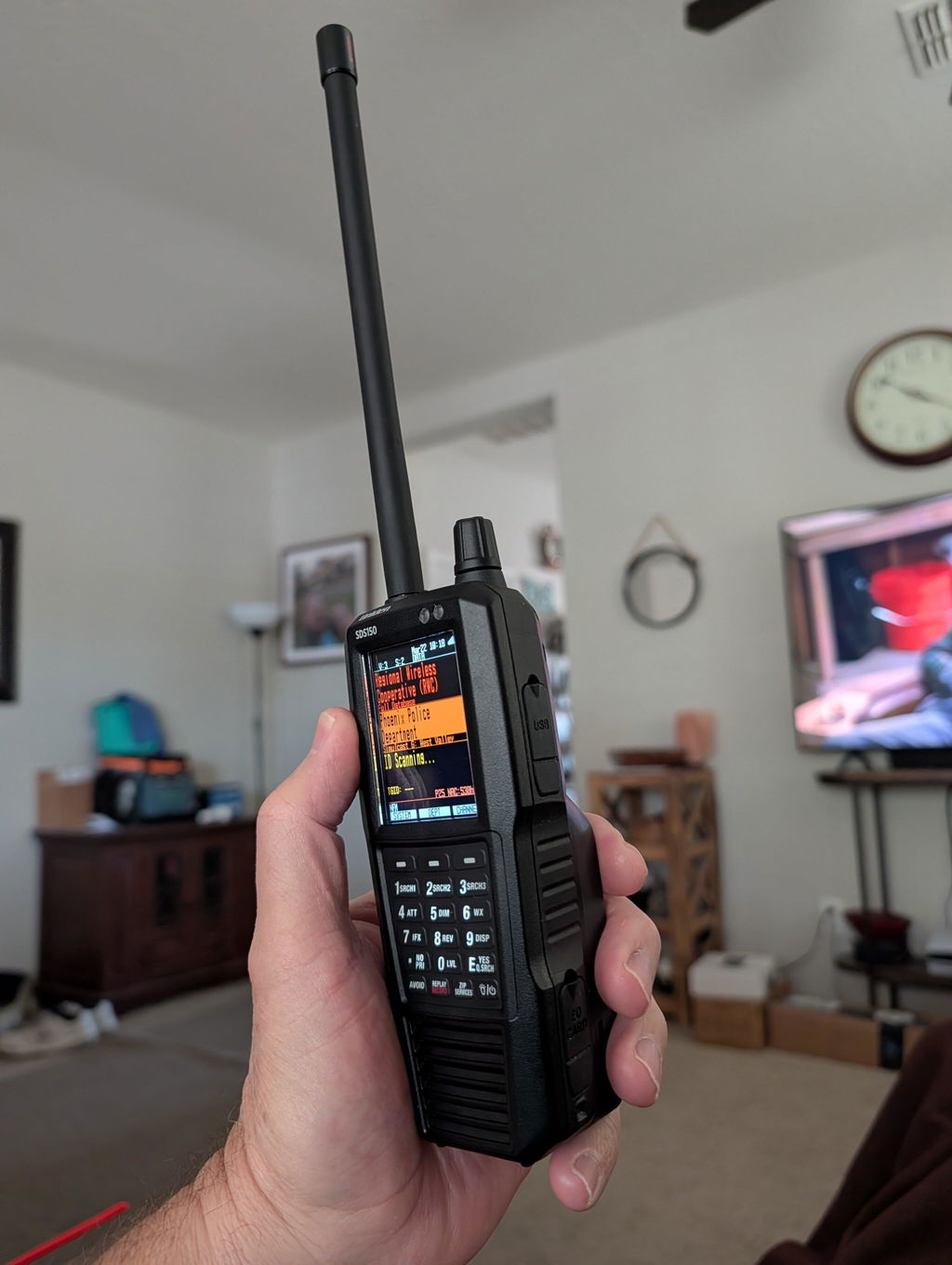
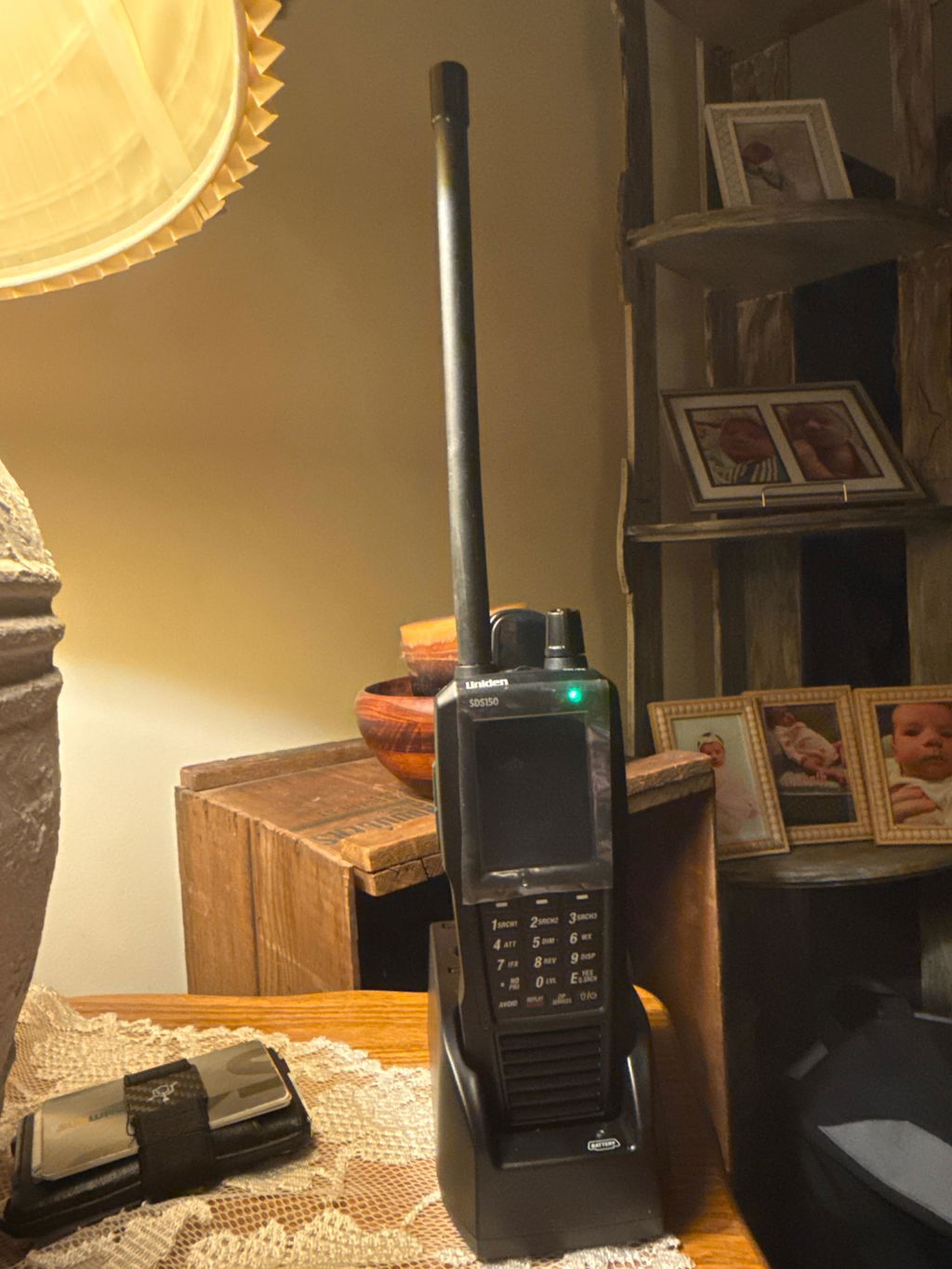
Uniden SDS150
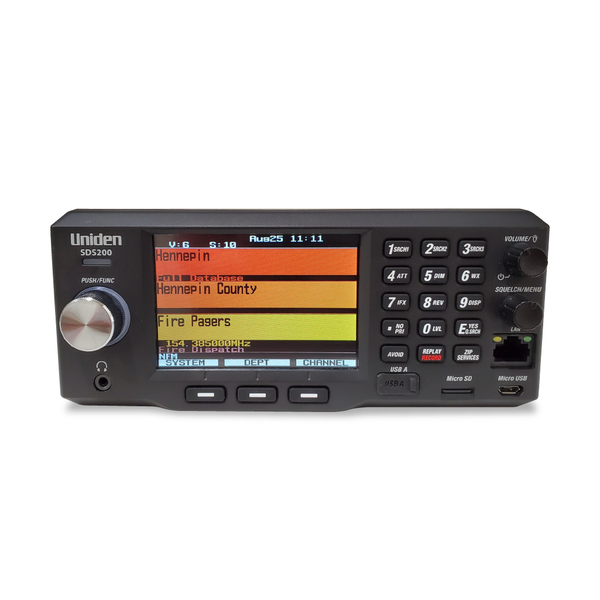
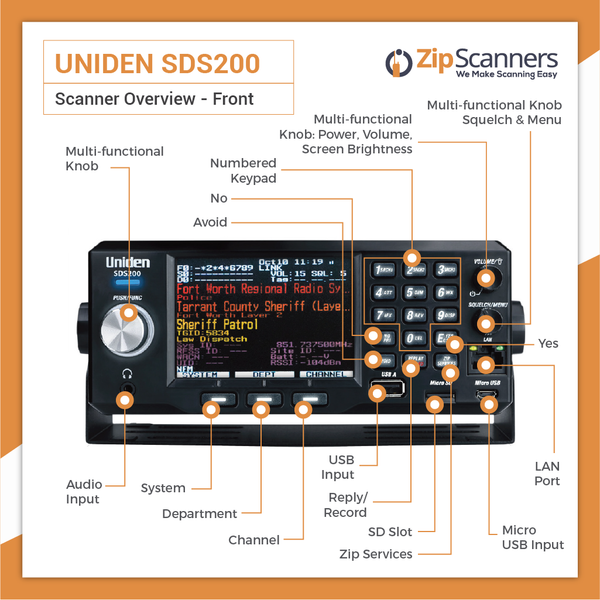
Uniden's current flagship handheld adds a bigger color display, built-in GPS and Bluetooth, an included waterfall display, and RF tuning aimed at heavy simulcast environments. RENIR alone runs on more than 100 transmitter sites, so simulcast handling matters more here than in most places. If you want the cleanest experience out of the box, this is the one to get.
View the SDS150 →Uniden SDS100
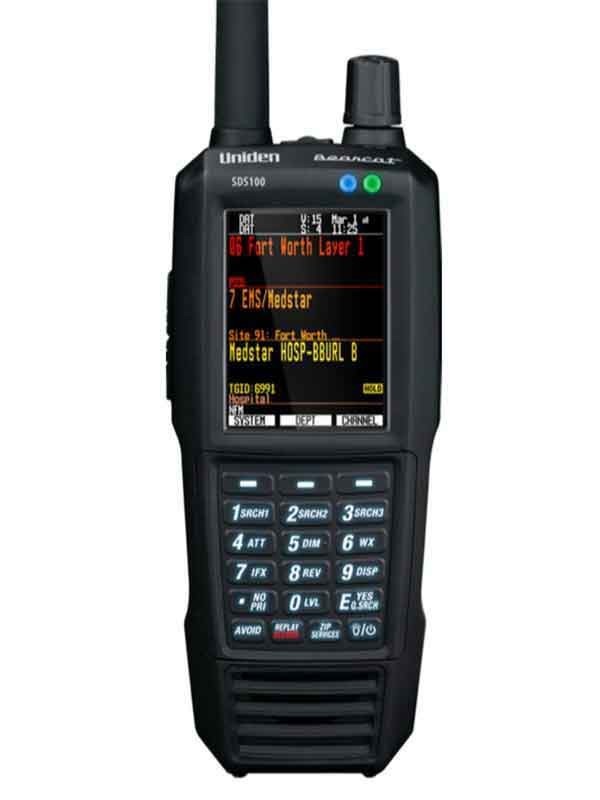
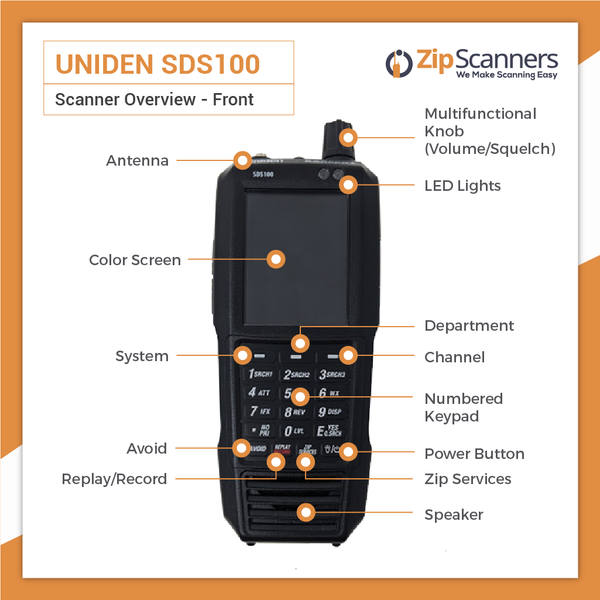
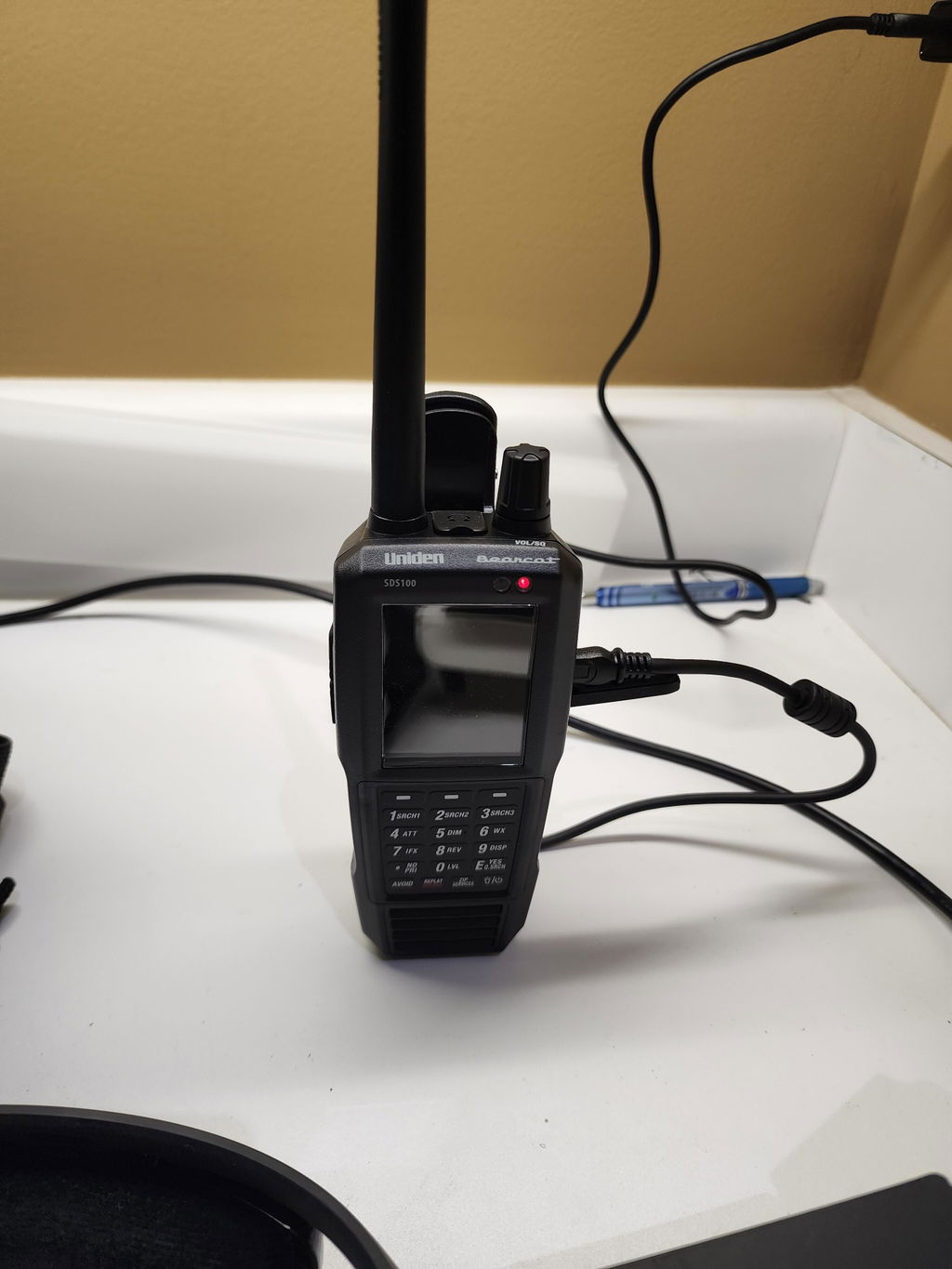
The scanner that started Uniden's SDS platform, and still a genuinely great radio. Same True I/Q core as the SDS150 at a lower price, with Waterfall available as a paid upgrade rather than included. A smart pick if you already know your area well and do not need GPS-based switching.
View the SDS100 →Getting the Most Out of Your Scanner in Quebec
Both scanners ship with the full USA and Canada system database preloaded, so Sentinel software can find your region by postal code or GPS instead of making you enter frequencies by hand. That said, Quebec's mix of RENIR, Montreal's separate systems, and pockets of legacy analog coverage means the default entry will not always match what is actually live in your area. If you would rather skip the trial and error, our expert programming service dials the scanner in for your exact region before it ships, and we are always happy to talk through what to expect where you live.
Watch: Setting Up a New Uniden Scanner
Unboxing, setup, and interface walkthroughs, filmed on our own channel with the same scanners we sell.
Watch on YouTube →Frequently Asked Questions
What radio system does Sûreté du Québec use?
Sûreté du Québec operates on RENIR, Quebec's provincial P25 trunked network, primarily on VHF with a few 700 and 800 MHz sites in denser areas. Traffic is encrypted once a region completes its migration to the system.
Can I listen to Montreal or Quebec City police on a scanner?
Not the main dispatch traffic. SPVM in Montreal and city police in Quebec City both run encrypted digital networks. You can still pick up open fire, EMS support, and public works traffic in both cities.
Is it legal to own a police scanner in Quebec?
Under Canada's federal Radiocommunication Act, owning and operating a receive-only scanner is legal. What the law restricts is divulging or profiting from intercepted private communications, and decrypting encrypted traffic without authorization. Guidance is sometimes applied differently province to province, so it is worth checking current federal rules if you plan to stream or rebroadcast anything you hear.
Do I need a Canada-specific scanner for Quebec?
No. The SDS100 and SDS150 both ship with the full USA and Canada database built in, so Quebec's systems are already included. You do not need an imported or region-locked model.
Will I need to understand French to use a scanner in Quebec?
For most police, fire, and EMS traffic, yes. Quebec's public safety agencies communicate primarily in French, with the notable exception of aircraft and rail operations, which are bilingual. Learning the French numbers up to 100 and the common ten-codes goes a long way if you want to follow along.
Not sure which scanner fits your part of Quebec?
Book a free call with our scanner experts. We will help you figure out what is actually worth listening to where you live, then get it programmed and shipped ready to go.
Book a Free Call →Sources: RadioReference.com system and wiki pages for RENIR, Montreal County, Capitale-Nationale County, and Côte-Nord County, plus RadioReference community forum reports on regional migration status.