Best Police Scanner for Texas: County-by-County Guide
Best Police Scanner for Texas: County-by-County Guide
Texas is one of the most complex scanning states in the country. P25 digital trunking in the metros, analog in rural counties, heavy encryption in some cities. This guide tells you exactly what you need — by region.
Shop Texas-Ready ScannersTexas Does Not Have One Radio System. It Has Dozens.
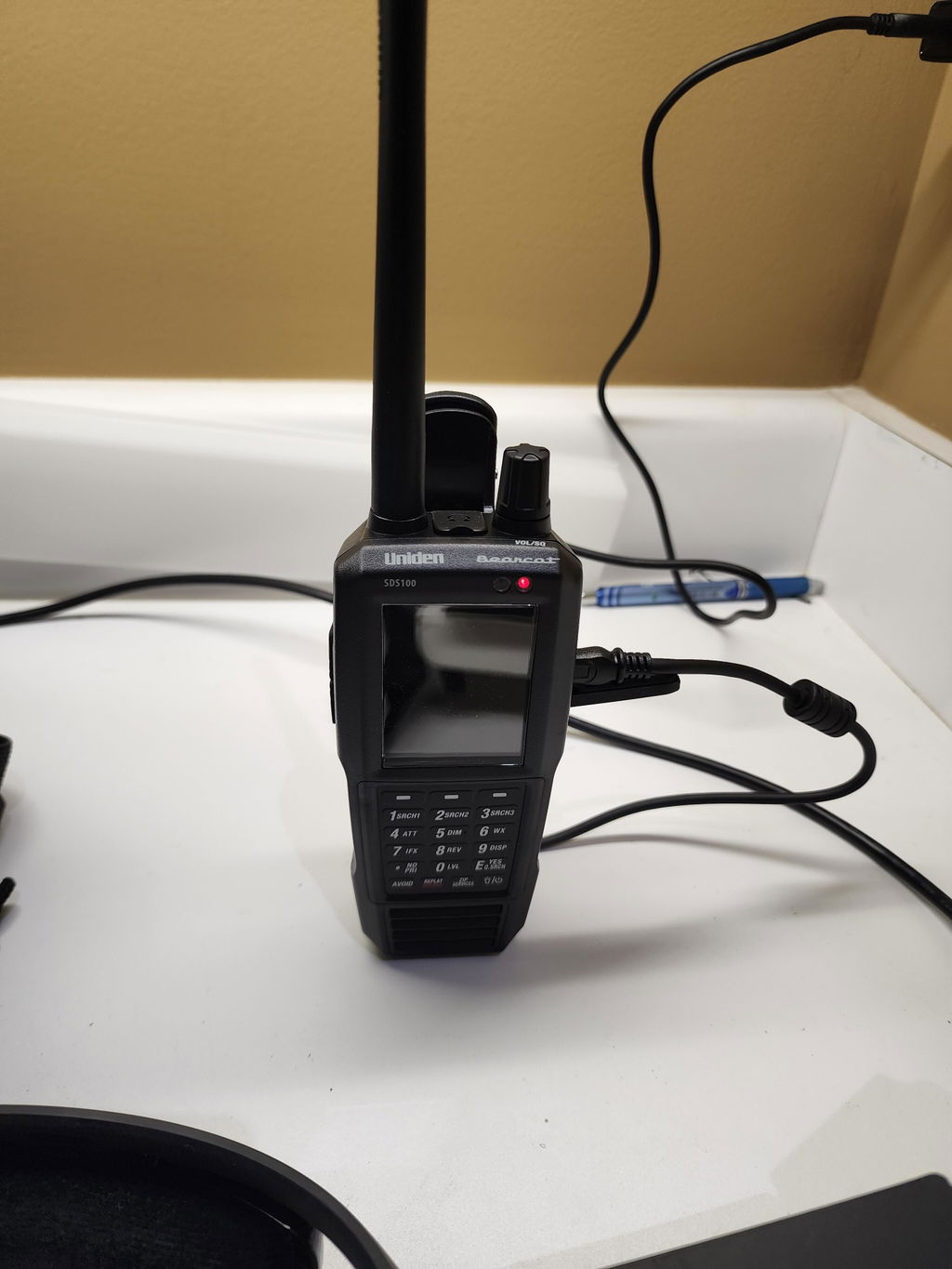
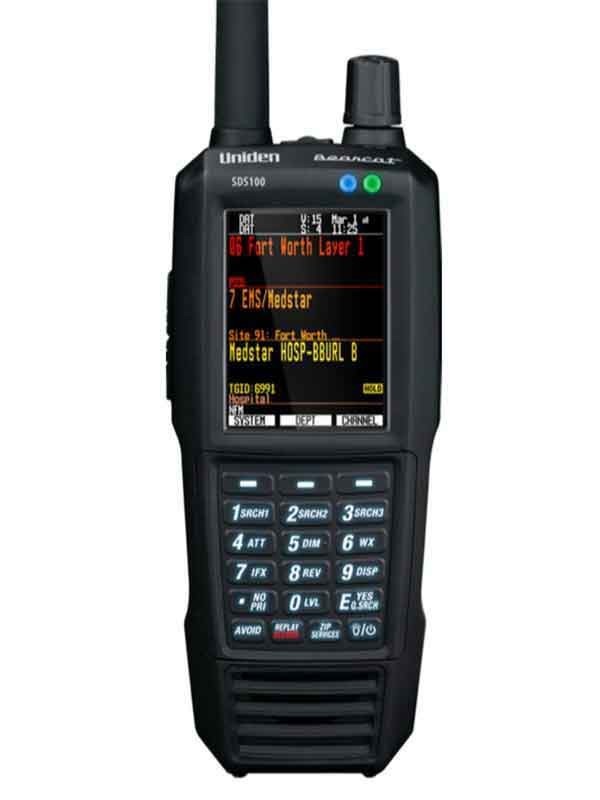
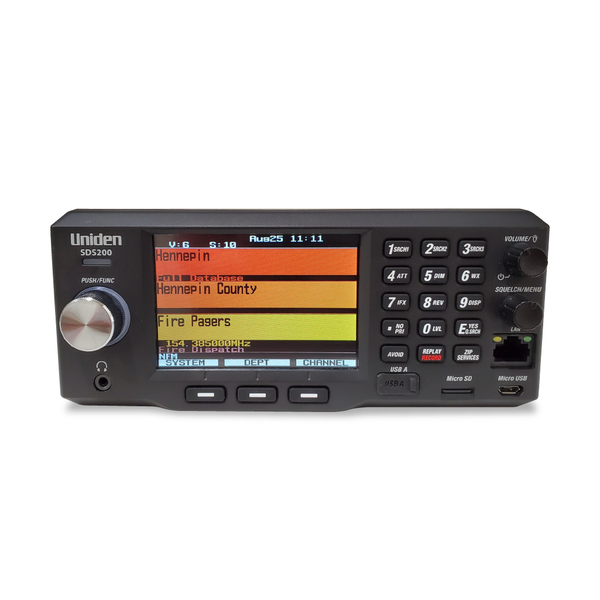
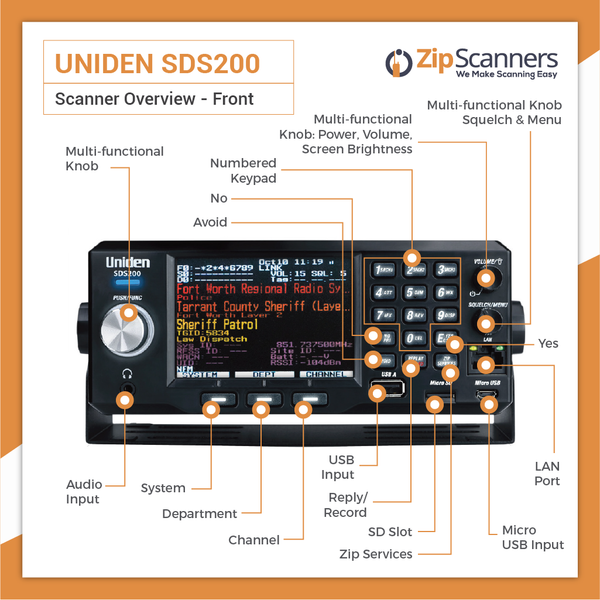
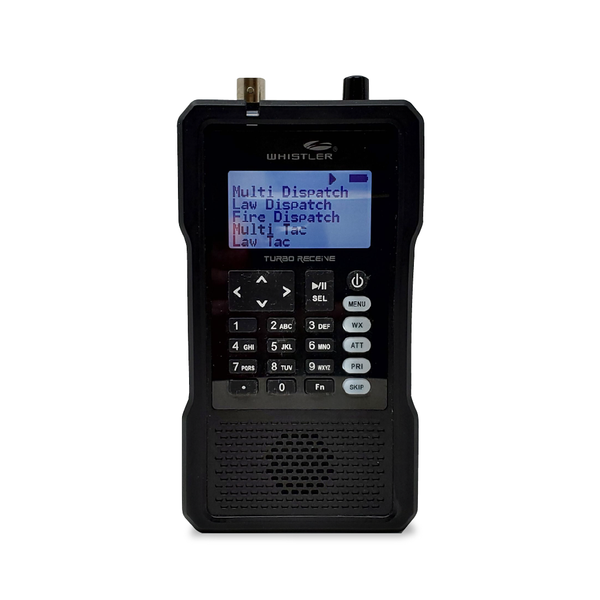
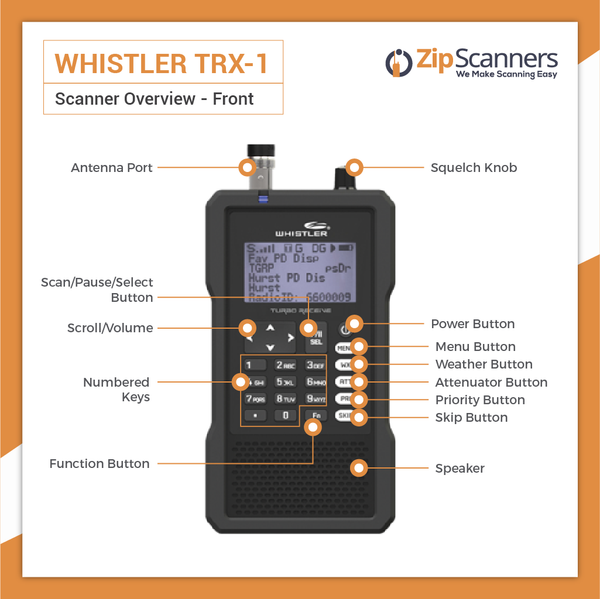
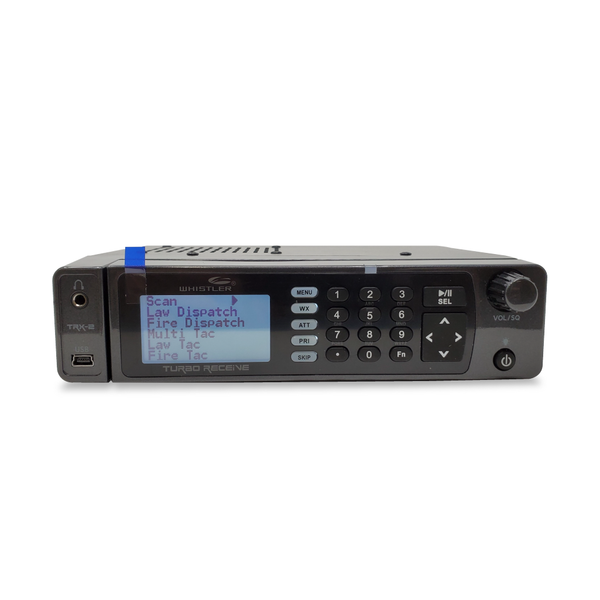
For most Texas metros (Houston, DFW): the Uniden SDS150. For base/home use: the Uniden SDS200. For rural analog counties on a budget: the Uniden SDS100 or Whistler TRX-1.
Unlike states that built a unified statewide network, Texas relies on regional and county-level systems. The major metros — Houston, Dallas-Fort Worth, San Antonio, and Austin — have each built large P25 digital trunked systems. In between, the landscape ranges from oil-field country in the Permian Basin to Gulf Coast refineries to rural ranch counties that still run analog VHF.
That means the right scanner for Harris County is not the same scanner that works best for someone in Brewster County outside Big Bend. This guide breaks it down region by region so you buy once and get it right.
The Texas Department of Public Safety (DPS) has migrated all of its systems to conventional P25 digital, and uses linked repeaters and base stations at comm centers across the state — so state troopers are accessible on a digital scanner statewide, even where local agencies still use analog.
Houston and Harris County
Houston Police Department operates on the Harris County CISD (Countywide Integrated Systems Design) P25 Phase II trunked system — one of the largest county-wide public safety radio systems in the United States. CISD serves HPD, Harris County Sheriff, Houston Fire, and hundreds of agencies across Harris County's 1,777 square miles.
HPD keeps main dispatch and patrol channels open on P25 digital. Some tactical channels are encrypted, but most routine police activity is still accessible to any digital scanner. Houston Fire Department dispatch and operations remain fully accessible. This makes Houston one of the more scanner-friendly major cities in the country right now.
What you need: A P25 Phase II capable trunking scanner with strong simulcast rejection — the CISD system is multi-site and simulcast issues are well-documented in this market.
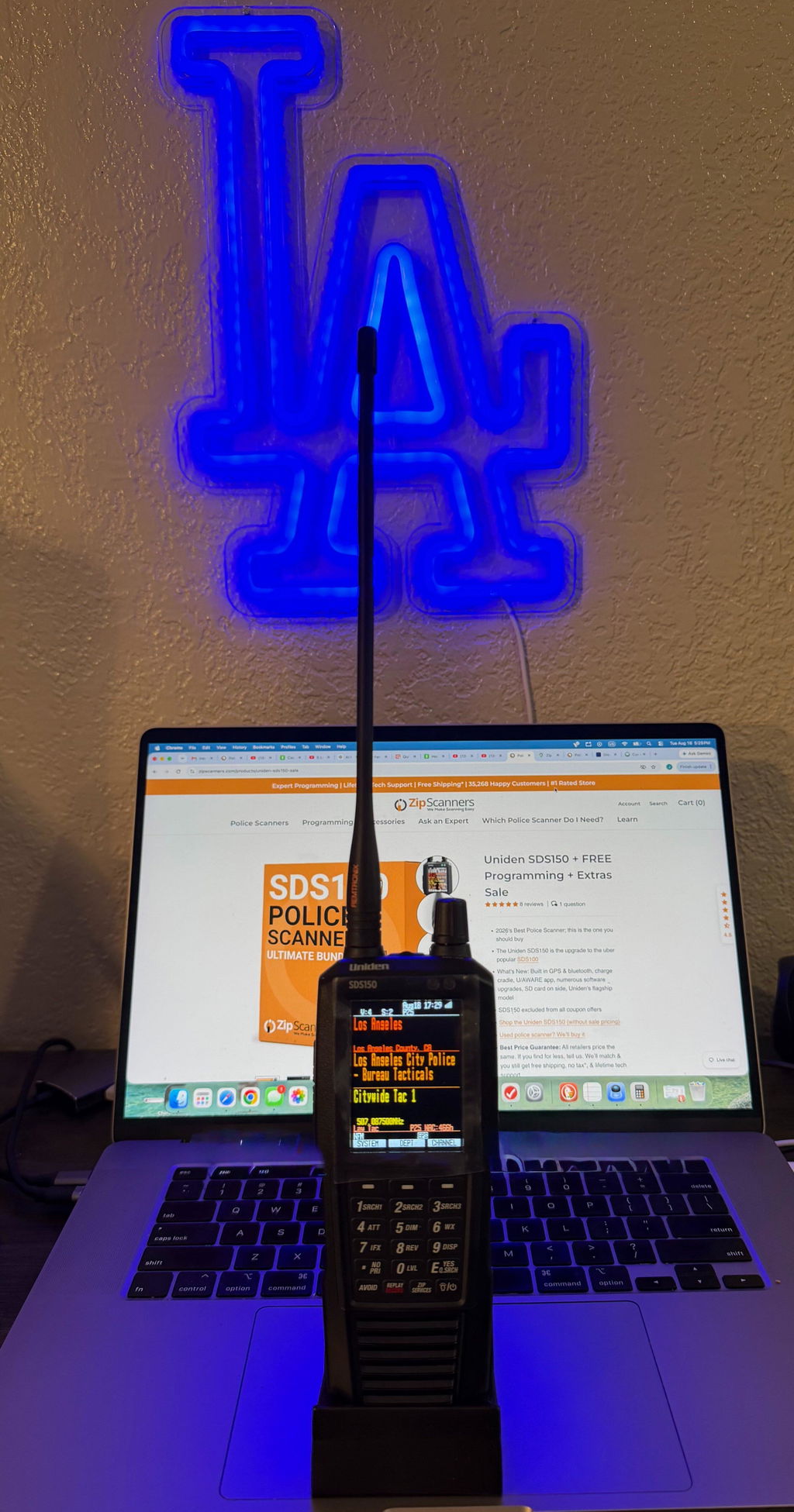
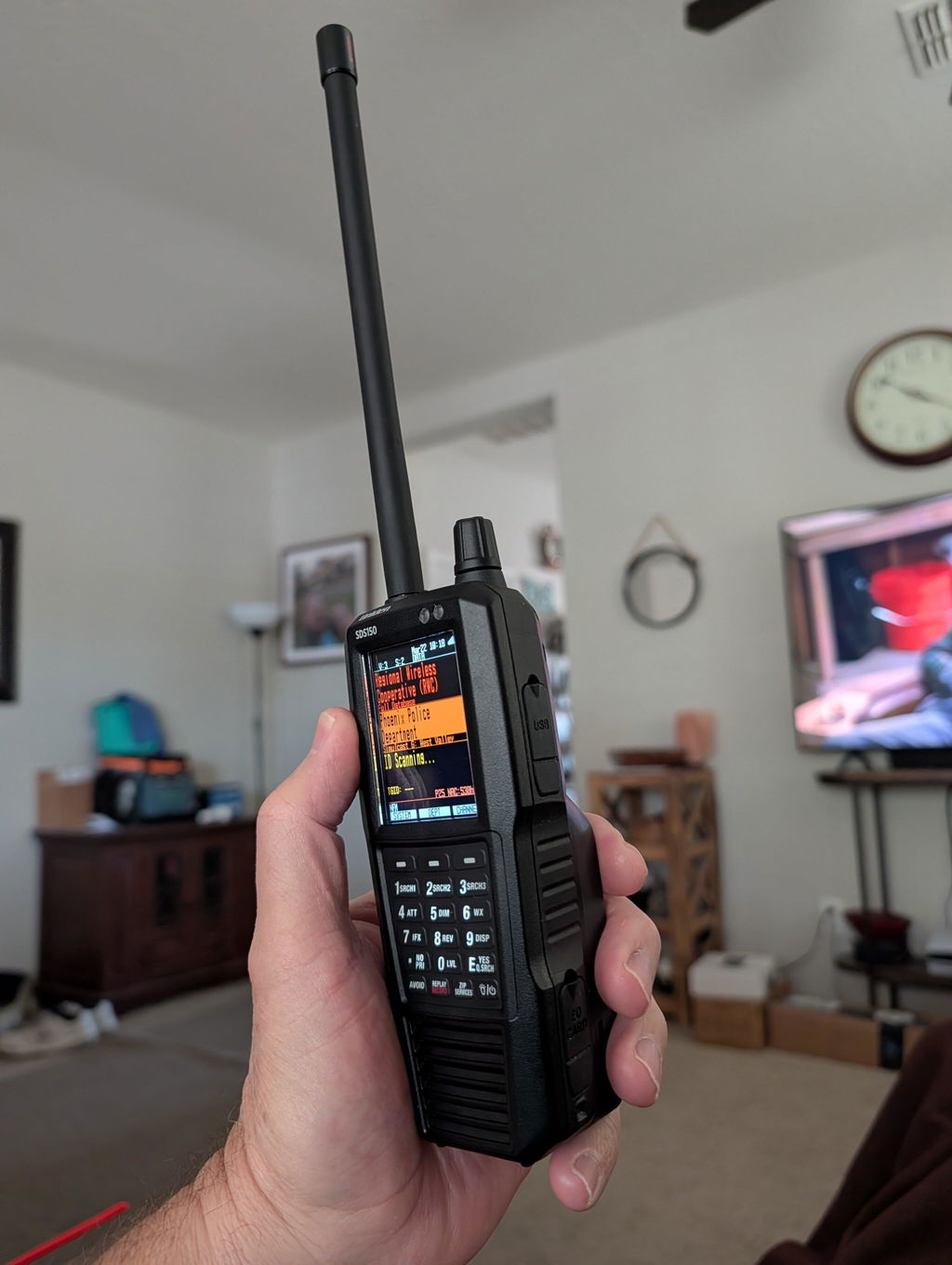
The SDS150's True I/Q platform was built for simulcast environments like CISD. Built-in GPS lets it lock onto the right talkgroups as you move across Harris County's sprawl. The U/AWARE app lets you listen through your phone on Bluetooth — clean for in-vehicle monitoring during Houston's traffic.
Shop the SDS150"Houston maintains more scanner access than most major U.S. cities — dispatch, patrol responses, and routine operations remain on open P25 channels that any digital scanner can receive."
Dallas-Fort Worth (DFW) Metroplex
The Dallas-Fort Worth metroplex built what many consider the most comprehensive regional interoperable public safety radio network in the United States. The North Central Texas Communications Consortium (NCTCC) ties together Dallas, Fort Worth, and dozens of surrounding cities and counties on a P25 Phase II trunked architecture spanning 13 counties and over 7 million residents.
Dallas PD has encrypted most operational patrol channels. Fort Worth PD, Tarrant County Sheriff, and many suburban agencies remain more accessible. Fire and EMS agencies across DFW tend to stay on open talkgroups. If you are monitoring DFW, you will still get significant activity — you just need to set expectations about which agencies are currently open.
What you need: A P25 Phase II capable trunking scanner. The NCTCC is a large multi-site system — simulcast performance matters here too.
Same reasoning as Houston. The SDS150 handles the NCTCC's trunked P25 Phase II architecture natively. Built-in GPS is a genuine advantage when monitoring across Dallas and Tarrant Counties — the scanner automatically shifts to local talkgroups as you travel.
Shop the SDS150If you primarily scan from home in DFW, the Uniden SDS200 is worth considering. It uses the same True I/Q core as the SDS150 but sits on your desk, connects to an external antenna for better range, and adds Ethernet for network control and streaming.
San Antonio and Bexar County
All public safety operations for San Antonio and Bexar County run on the Alamo Area Regional Radio System. San Antonio Police are fully encrypted and cannot be monitored with any scanner. The Bexar County Sheriff is mostly encrypted but will occasionally operate in the clear.
The good news: all fire non-investigative talkgroups remain clear and active. If you are in San Antonio and want to monitor emergency activity, your best option is Austin Fire, surrounding county sheriff agencies, Texas DPS troopers, and nearby counties like Guadalupe, Comal, and Kendall that maintain more open systems.
What you need: A P25-capable scanner. You will not be able to monitor SAPD regardless of the scanner you own — the limitation is legal encryption, not hardware capability.
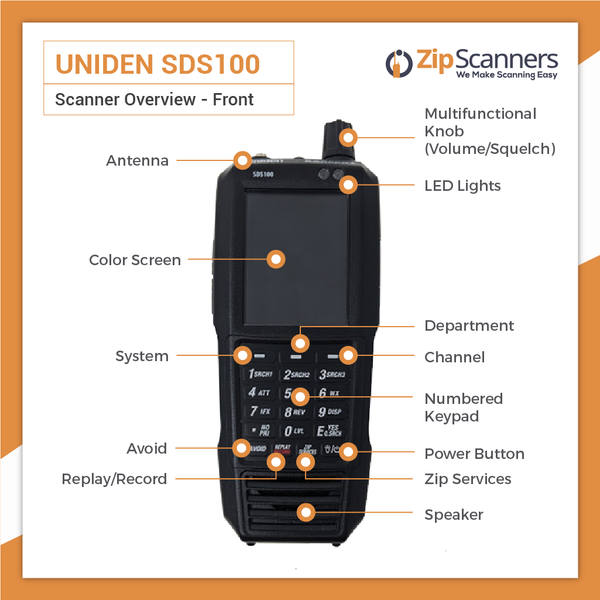
Even in San Antonio, a P25 scanner gives you access to fire, EMS, Texas DPS, and surrounding counties. The SDS100 delivers the same True I/Q platform at a lower price point than the SDS150 — a solid choice if you do not need built-in GPS or app integration.
Shop the SDS100Austin and Travis County
Austin Police Department shifted all patrol talkgroups to AES encryption. APD, Austin Fire Department, and Austin-Travis County EMS completed this transition in April 2024. All APD police district talkgroups are encrypted and the previously open dispatch talkgroups are now inactive.
Travis County Sheriff (TCSO) East and West talkgroups remain active and accessible. Texas DPS troopers operating in the Austin area use the statewide CAPWIN P25 system — unencrypted and very active on both Travis and Williamson Counties. Several surrounding counties including Pflugerville, Bastrop, and Burnet County agencies also remain accessible.
What you can still hear in Austin: Travis County Sheriff, Texas DPS, Pflugerville PD, Bastrop County, Burnet County, most fire agencies, and Austin-area ISD police departments.
"DPS is unencrypted and very active on both Travis and Williamson Counties. Several surrounding counties also remain accessible." — RadioReference.com Forums, Austin Scanning Thread
With APD encrypted, the value of GPS-based scanning increases — the SDS150 automatically selects the right talkgroups for DPS, TCSO, and surrounding counties as you move through the region. Worth the upgrade over the SDS100 for Austin-area users who travel across county lines.
Shop the SDS150Which Scanner Is Right for Your Texas County?
| Scanner | P25 Phase II | GPS Built-In | Best For | Link |
|---|---|---|---|---|
| Uniden SDS150 | ✓ | ✓ | Houston, DFW, Austin travel scanning | Buy |
| Uniden SDS100 | ✓ | Add-on | Metro value buy; Bexar, Travis Counties | Buy |
| Uniden SDS200 | ✓ | Add-on | Home base; Houston, DFW shack setup | Buy |
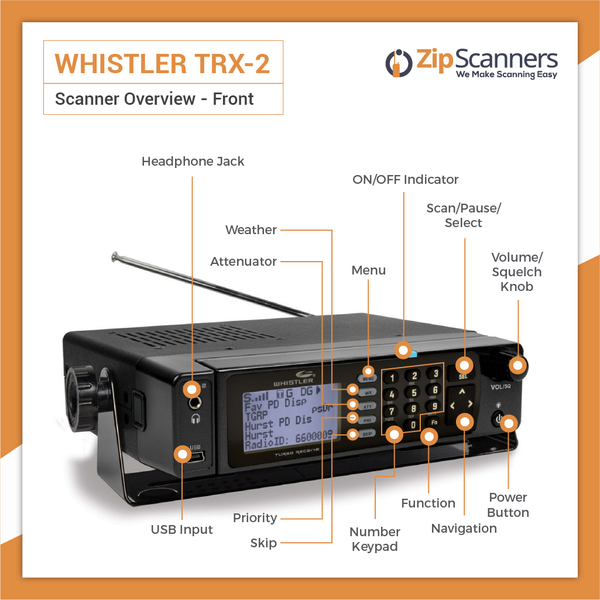
| Whistler TRX-1 | ✓ | No | Rural Texas; analog + P25 counties | Buy |
All four scanners decode P25 Phase I and Phase II. None can defeat AES encryption — no scanner legally can. The difference is simulcast performance, GPS capability, and workflow.
Rural Texas: A Different World
Outside the four major metros, Texas scanning looks completely different. Many county sheriffs, small-town police, and volunteer fire departments still operate on analog VHF or UHF conventional systems. In these areas, you do not need the most expensive P25 scanner — you need a scanner that covers wide frequency ranges well.
Permian Basin (Midland / Odessa)
Oil-field country runs a mix of analog conventional and some digital systems. Industrial facilities, pipeline monitors, and county sheriff operations span a massive geographic area. A wide-range scanner with good VHF coverage works well here.
Gulf Coast / Beaumont / Port Arthur
Refinery and industrial emergency communications dominate alongside county sheriff and fire. Mixed analog and digital. The Uniden SDS100 covers both analog and digital well for this area.
Border Counties (Laredo, McAllen, El Paso)
Distinctive law enforcement environment with Border Patrol, county sheriff, and municipal PD often operating on different systems. P25 digital is common in larger border cities. Analog VHF and UHF still active in outlying areas.
West Texas / Big Bend Country
Remote terrain, long distances between agencies, and mostly analog conventional systems. Brewster, Jeff Davis, and Presidio Counties are among the least-encrypted counties in the state. A good analog scanner or any entry-level digital scanner will work here.
For rural counties, RadioReference.com's Texas database is the definitive source for current system type, frequencies, and encryption status by county. Always check your specific county before purchasing.
Encryption in Texas: What You Can and Cannot Hear
Texas has no statewide encryption mandate — each agency decides independently. The result is a patchwork that changes county by county. Here is the current status for the major metro agencies based on RadioReference community reports:
Encryption status changes. Always verify your specific agencies on RadioReference.com before purchasing.
Understanding P25, Trunking, and Analog Systems
What Is P25?
Project 25 (P25 or APCO-25) is a suite of digital radio standards developed for North American public safety agencies. Most major Texas agencies have migrated to P25 because it offers clearer audio, better coverage, and the ability to encrypt communications. You need a P25-capable scanner to hear these agencies — an old analog scanner will pick up nothing but noise.
P25 Phase I vs. Phase II
Phase I is the older standard; Phase II (also called TDMA) doubles the capacity of each channel. Houston's CISD and DFW's NCTCC both run Phase II. You need a scanner that supports both phases. All Uniden SDS-series scanners support P25 Phase I and Phase II natively.
What Is a Trunked System?
A trunked radio system shares a pool of channels among many agencies and assigns them dynamically. Rather than scanning a fixed frequency, your scanner must decode the system's control channel and follow talkgroups as they move. This is why you cannot simply look up a frequency and program it — you need trunking-capable hardware and software programming.
Why Does Simulcast Matter in Texas?
Large systems like CISD and NCTCC use simulcast — multiple towers broadcast the same signal simultaneously to ensure coverage. If your scanner receives two slightly out-of-sync simulcast signals, you get garbled audio. Uniden's True I/Q platform was specifically engineered to correct for simulcast distortion. It is the main reason the SDS100, SDS150, and SDS200 dominate in Texas metro areas.
- Old analog scanners cannot hear P25 digital systems at all
- Not all digital scanners handle simulcast — True I/Q is the standard to look for
- Programming your scanner for Texas requires entering the correct trunked system data, not just frequencies
- Encryption on a talkgroup means no scanner — analog or digital — can hear it legally
Not Sure What Works in Your County?
Our scanner experts know Texas systems. Book a free 15-minute call and we'll tell you exactly what scanner to buy, how to program it for your county, and whether the agencies you want to monitor are accessible.
Book a Free CallOur Texas Scanner Picks
Built-in GPS, U/AWARE app, True I/Q for simulcast, USB-C charging, charge cradle, and Waterfall included. The most capable handheld scanner for Texas metro monitoring. If you buy one scanner for Texas, this is it.
Shop SDS150Same True I/Q core as the SDS150. No built-in GPS (add-on available) and no U/AWARE app integration, but it is the same radio at a lower price. Outstanding for a single-county home setup or a scanner-curious first purchase.
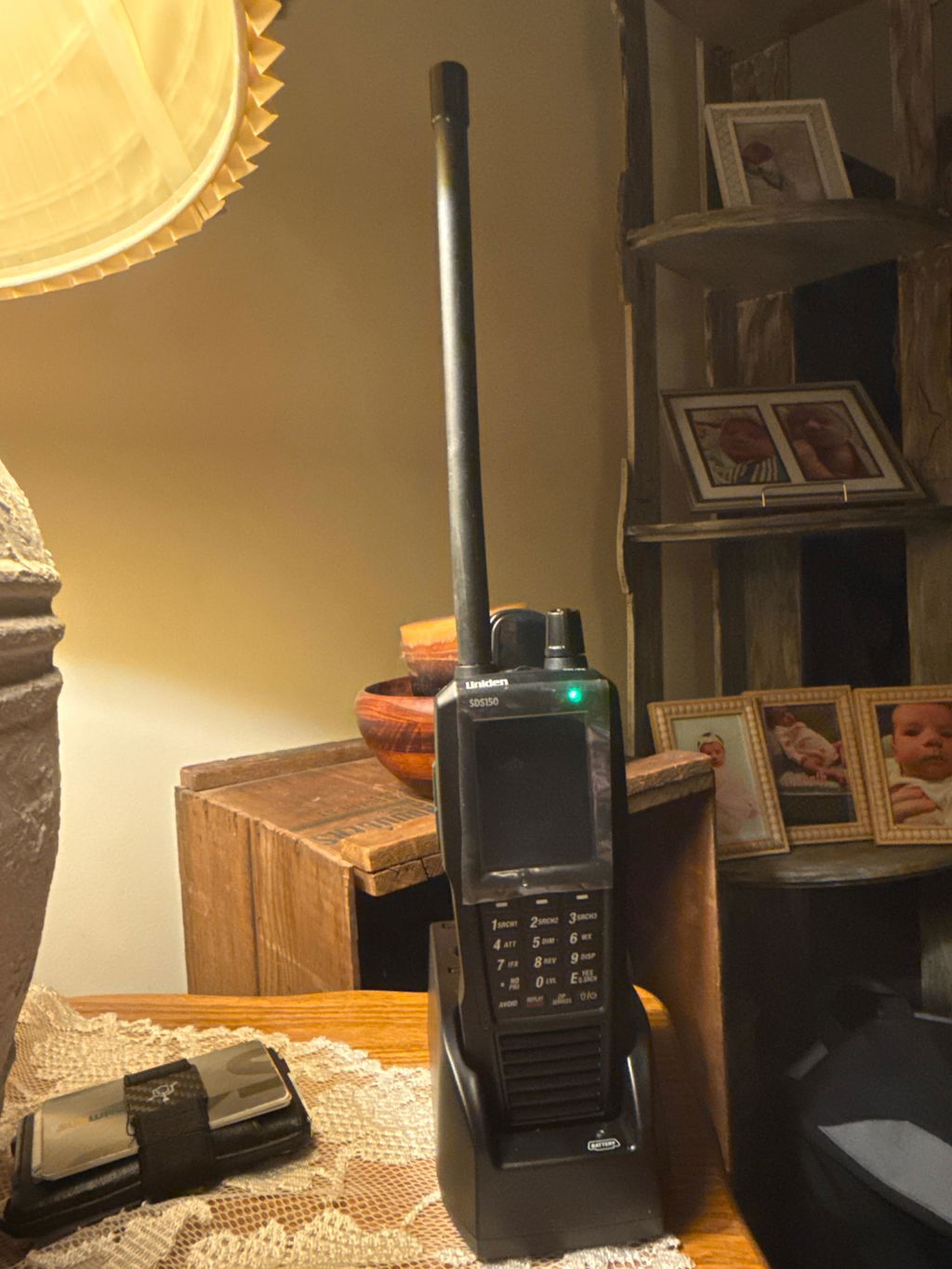
Shop SDS100The base/mobile version of the SDS100. Same True I/Q platform. Connects to an external antenna for superior range, adds Ethernet for remote streaming and control, and runs on AC or 12V DC for vehicle installs. The right tool for a permanent Texas scanning setup.
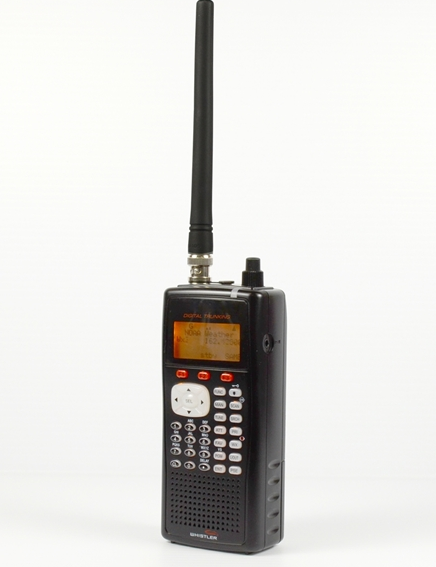
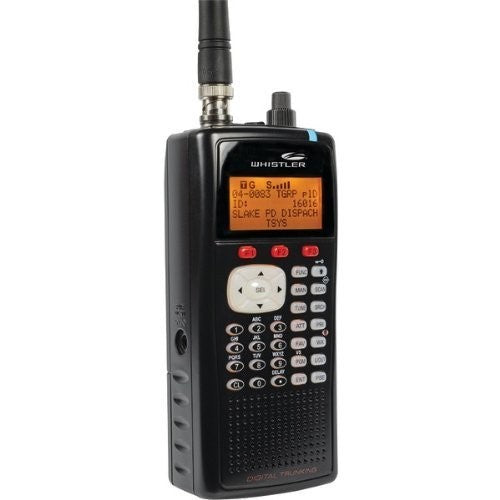
Shop SDS200Handles P25 Phase I and II plus analog VHF and UHF. If your county still runs analog conventional, the TRX-1 covers both worlds at a competitive price. A strong option for West Texas, rural East Texas, and border counties with mixed system types.
Shop Whistler TRX-1Programming Is Half the Battle
The most common reason a scanner does not work in Texas is wrong programming, not wrong hardware. Texas metro systems (CISD, NCTCC, Alamo Area) are complex trunked systems with dozens of talkgroups. Programming them correctly requires accurate system data from RadioReference and Uniden Sentinel software.
Add expert programming to any scanner purchase and we'll ship it ready to scan your Texas county — no software, no guesswork, no setup headaches. It is the most popular add-on we offer and the single biggest upgrade to your out-of-box experience.
You can also use RadioReference.com to look up your specific county's current system data and import it directly via Sentinel software.
Get Texas Scanner Updates in Your Inbox
Encryption changes fast. We'll email you when major Texas agencies change their status, plus scanner deals, guides, and tips from our team.
Texas Scanner FAQ
Is it legal to own a police scanner in Texas?
Yes. Owning and operating a police scanner is legal in Texas for private use. It is illegal to use a scanner to facilitate a crime. Texas has no specific restriction on scanner ownership comparable to some other states.
Can any scanner break police encryption?
No. AES encryption used by agencies like SAPD and APD cannot be defeated by any commercially available scanner. There is no scanner hardware or software that can legally bypass P25 AES encryption. If an agency is encrypted, it is inaccessible — full stop.
Do I need to program my scanner manually?
For Texas metro trunked systems, yes — or you can add Zip Scanners expert programming to your order and we'll handle it. Zip code-based auto-programming works for many situations but may not catch every local talkgroup for complex systems like CISD or NCTCC.
What is the best free resource for Texas scanner frequencies?
RadioReference.com is the definitive database. Every Texas county is listed with current system type, frequencies, talkgroups, and encryption status. The community forums are also active with real-time reports from Texas scanners.
Will a scanner work in multiple Texas cities?
Yes — with GPS-based scanning. The Uniden SDS150 with built-in GPS automatically loads the correct systems for your location as you travel between Houston, DFW, or any other area in its database. This is the primary practical advantage of the SDS150 over the SDS100 for Texas road-trippers and storm chasers.