Best Police Scanner for Connecticut: Frequencies, Systems & Recommendations
One statewide network. Eight very different listening experiences.
A buyer's guide to Connecticut's CLMRN system, county encryption, and the right scanner for you
If you are shopping for a police scanner Connecticut hobbyists can actually rely on, start with this fact: Connecticut retired its old county governments, but nearly every police, fire, and EMS agency in the state now rides on one shared digital radio network. That single detail changes which scanner you need and how it should be programmed. This guide walks through how that statewide system works, which towns have moved to encryption, and which Uniden model makes the most sense for your area.
Connecticut's Statewide System: CLMRN
Connecticut's public safety backbone is the Connecticut Land Mobile Radio Network, known as CLMRN. It is a trunked P25 system operating in the 700 and 800 MHz bands, running Phase 1 (FDMA) on older talkgroups and Phase 2 (TDMA) on newer ones, so you will want a scanner that decodes both. CLMRN is managed by the state's Division of Statewide Emergency Telecommunications and carries over 15,000 radios across municipal, state, and federal agencies, linked between towers by microwave and fiber.
Before CLMRN, Connecticut State Police ran a separate Motorola SmartZone system, and many towns operated their own standalone trunked or conventional radios. Over the 2010s and into the 2020s, the state consolidated the majority of these onto CLMRN's shared towers, which is why almost every county in Connecticut now shows the same statewide system when you search RadioReference, alongside a handful of local conventional channels still used for fire tactical, public works, and mutual aid backup.
Connecticut abolished county government in 1960, but the eight historic counties (Fairfield, Hartford, Litchfield, Middlesex, New Haven, New London, Tolland, and Windham) are still used by RadioReference and scanner hobbyists to organize frequency listings by region.
Is Connecticut Police Radio Encrypted?
Connecticut sits in the moderate range for encryption. There is no single statewide encryption mandate. Instead, individual towns have flipped their own police talkgroups to fully encrypted over the past decade, mostly concentrated in the Fairfield County suburbs closest to New York City. Connecticut State Police traffic on CLMRN remains almost entirely open, with encryption limited to specific investigative and special operations talkgroups. Fire and EMS dispatch across the state is overwhelmingly in the clear, with fire marshal channels being the main exception.
Agencies that scanner hobbyists commonly flag as encrypted or partially encrypted include Bridgeport, Greenwich, Stratford, Trumbull, and Wilton in Fairfield County, along with Bristol in Hartford County and Meriden, Milford, and West Haven in New Haven County. Encryption status changes over time and varies talkgroup by talkgroup, so always verify the current setup for your specific town before you buy. RadioReference's Connecticut database and its user forums are the most current source, and our team can help you confirm what is live in your area.
| County / Region | General Encryption Status |
| Fairfield County | Highest concentration of encrypted PDs in the state (Bridgeport, Greenwich, Stratford, Trumbull, Wilton) |
| Hartford County | Mostly clear, Bristol PD encrypted, isolated encrypted talkgroups elsewhere |
| New Haven County | Mixed, Meriden and Milford encrypted, most other agencies open |
| New London County | Largely open, some tribal gaming security talkgroups encrypted |
| Litchfield, Middlesex, Tolland, Windham | Largely open across municipal police and fire |
The Best Scanner for Connecticut
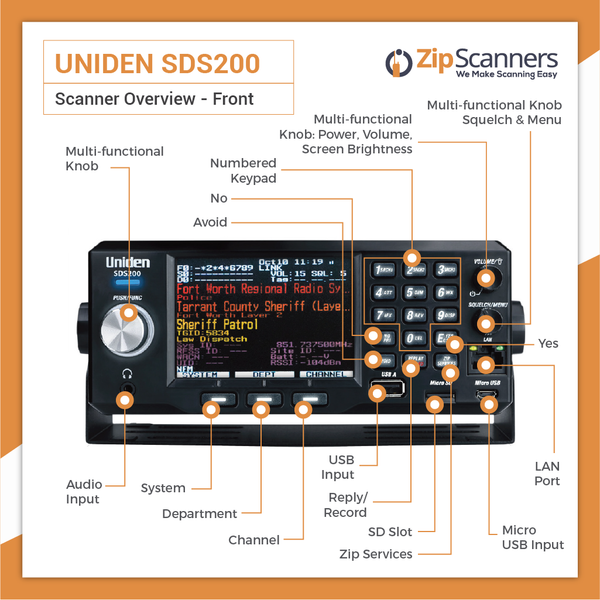
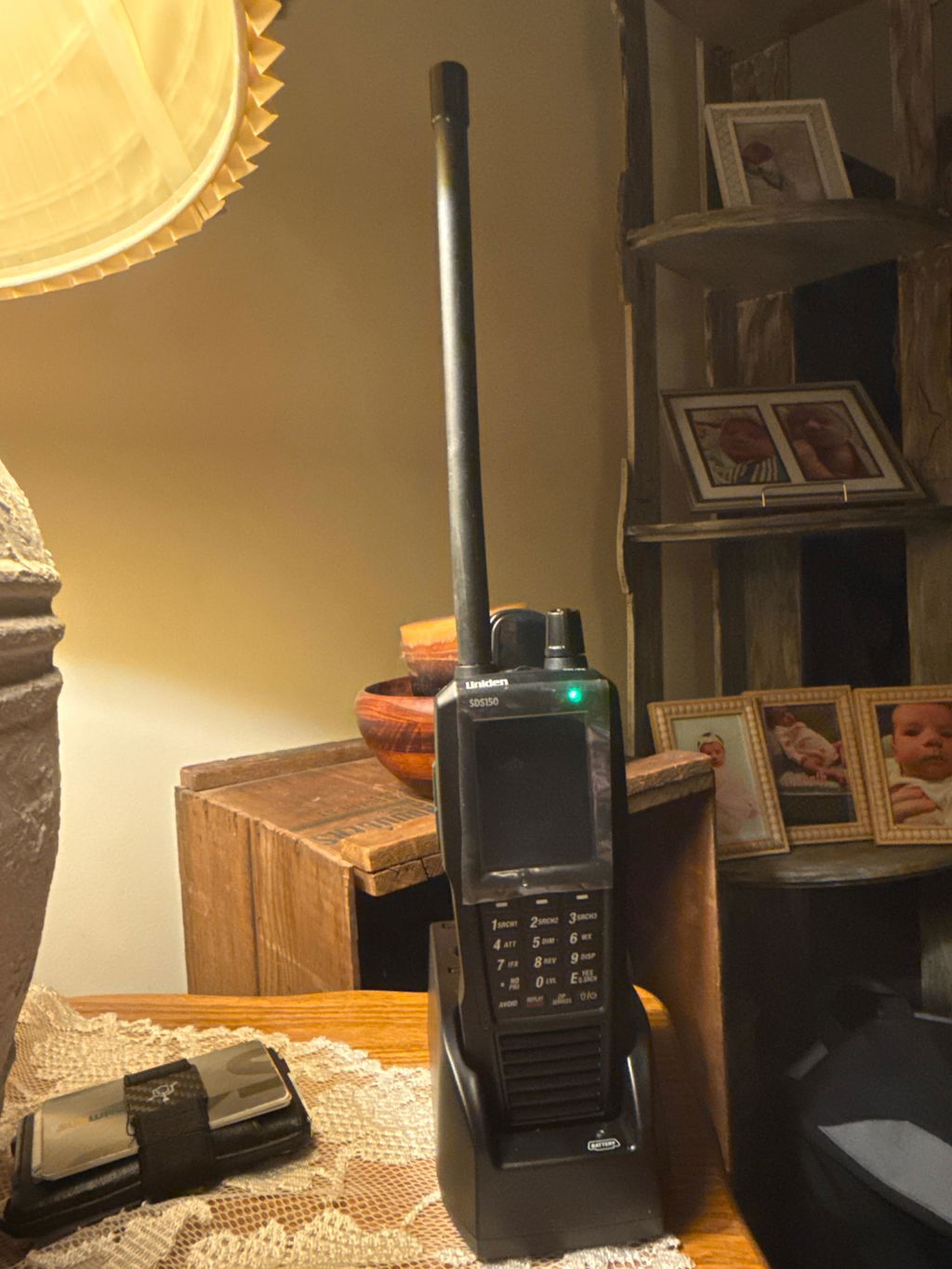
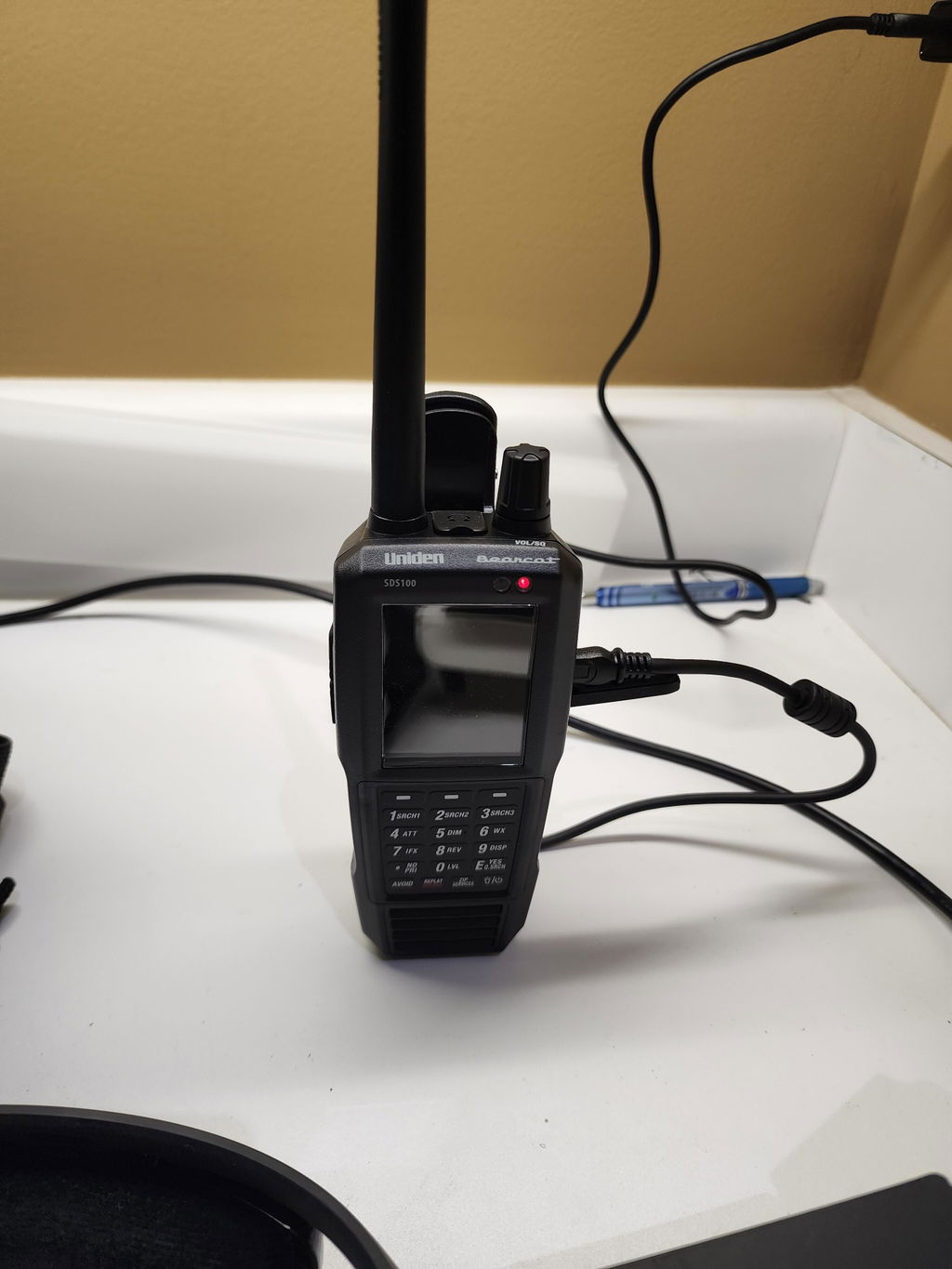
Because CLMRN runs P25 Phase 1 and Phase 2 across simulcast towers statewide, you need a scanner built for modern digital trunking, not an older analog-only radio. We recommend the Uniden SDS150 or the Uniden SDS100 for Connecticut listeners. Both use Uniden's True I/Q receiver platform, which is built specifically to handle simulcast distortion, the garbled or doubled audio that can occur near overlapping CLMRN tower coverage in denser parts of the state like Hartford and the Gold Coast.
|
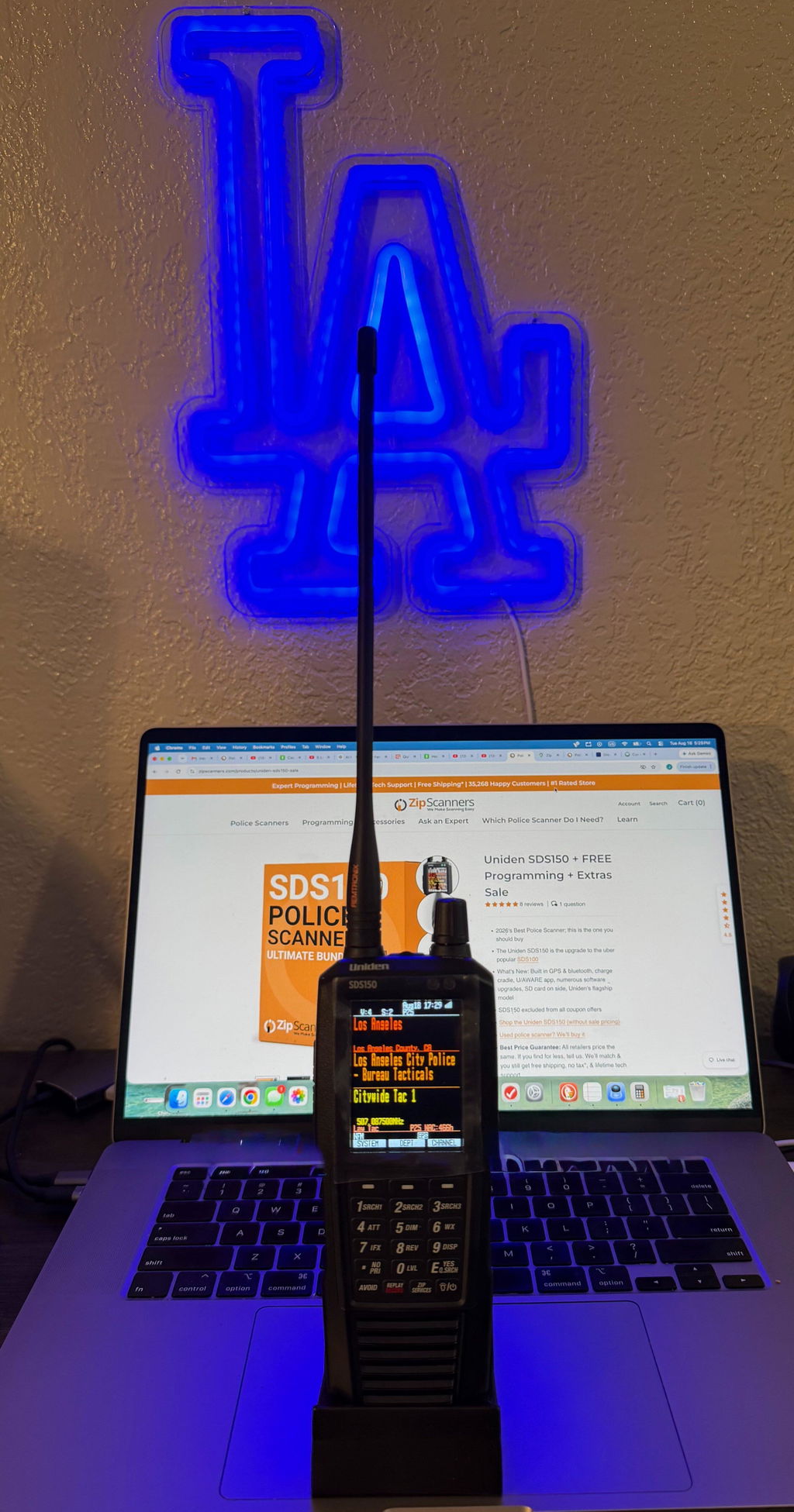
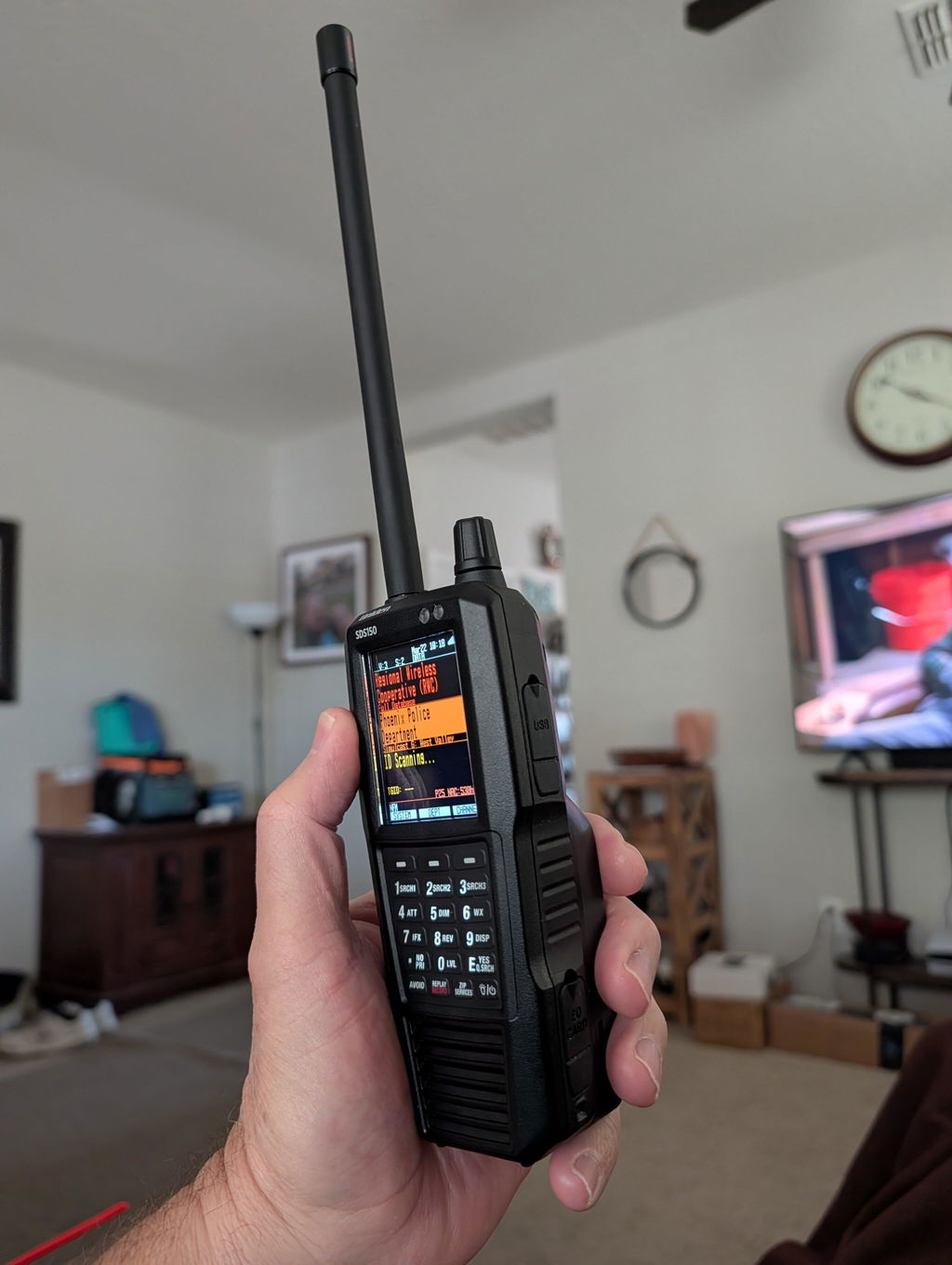
Uniden SDS150 Our top pick for Connecticut. Built-in GPS, included waterfall display, and True I/Q simulcast handling make it the easiest way to track CLMRN talkgroups statewide, whether you are at home in Hartford or commuting through Fairfield County. Shop the SDS150 |
|
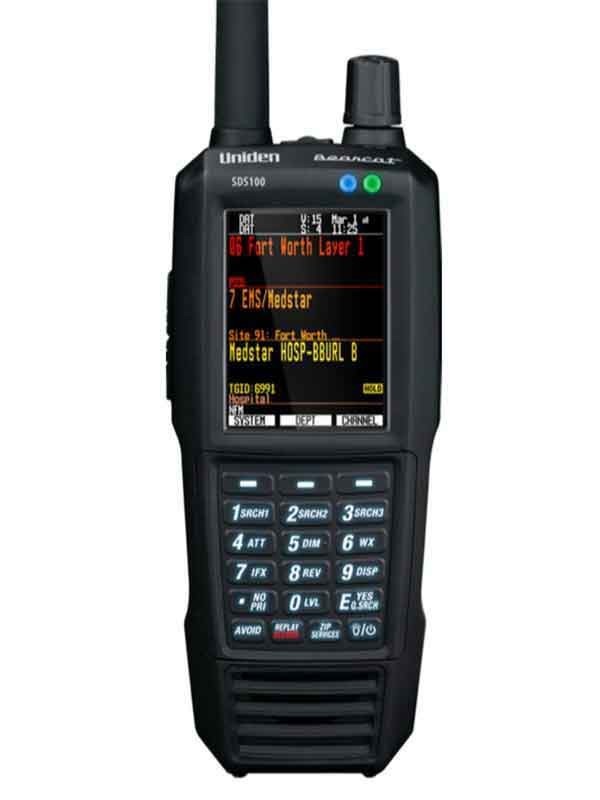
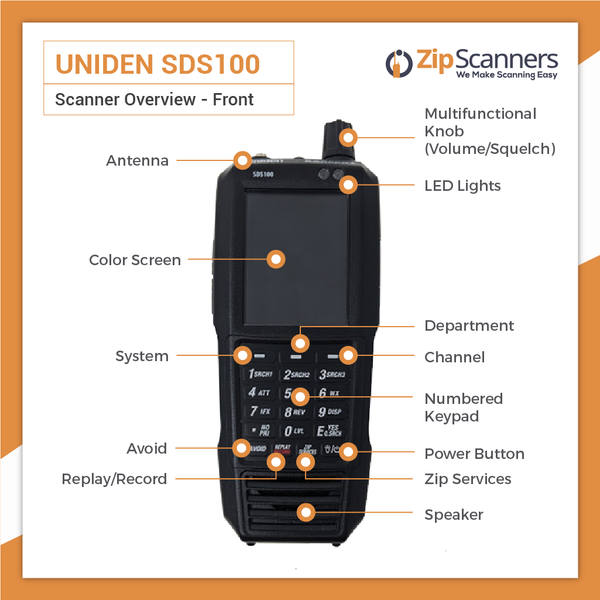
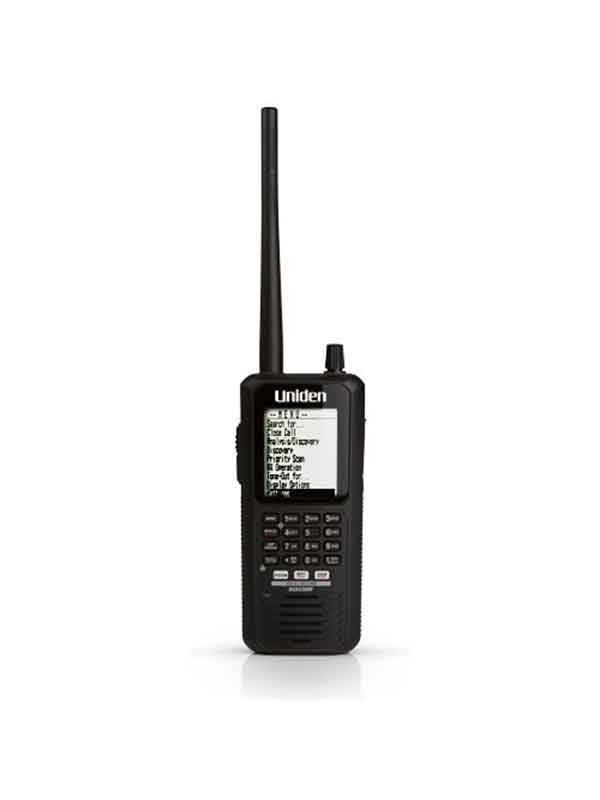
Uniden SDS100 Same True I/Q core as the SDS150 in a smaller handheld body, without built-in GPS or the charging cradle. A strong choice if you mainly scan from one fixed location and want to save some budget. Shop the SDS100 |
Not sure which one fits your situation? Add Expert Programming to either scanner and our team will load it with Connecticut's current CLMRN talkgroups and your local agencies before it ships, so you can open the box and start scanning immediately.
Getting the Most Out of Your Scanner
A few things make a real difference once your scanner is programmed. First, use Uniden's free Sentinel software to connect to RadioReference and pull the current CLMRN talkgroup list for your town, since talkgroups are added and reorganized periodically as the network grows. Second, if you hear garbled or doubled audio near tower boundaries, that is simulcast distortion, and it is exactly what the True I/Q platform in the SDS150 and SDS100 is designed to correct. Third, build a Favorites List scoped to your county rather than scanning the full statewide database, so you are not sitting through highway maintenance and utility traffic to hear police and fire.
If you want to go deeper on the technical side, the RadioReference wiki page for CLMRN tracks site locations and talkgroup updates as they happen, and the Connecticut forum on RadioReference is where local hobbyists post real-time notes on encryption changes, new talkgroups, and reception trouble spots by town.
|
|
"Once your scanner tracks CLMRN correctly, Connecticut is actually one of the easier states to stay on top of. It's one network, not a patchwork of a dozen county systems."
|
Not sure which scanner fits your town? Book a free call with a Zip Scanners specialist. We will confirm your county's CLMRN setup and help you pick the right model. Book a Free Call |
Connecticut Police Scanner FAQ
Is it legal to own a police scanner in Connecticut?
Yes, owning and monitoring a police scanner at home in Connecticut is legal. Rules can differ for using a scanner in a moving vehicle or during the commission of a crime, so check current Connecticut statutes if you plan to scan on the road.
Do I need a Phase 2 capable scanner for Connecticut?
Yes. CLMRN uses a mix of P25 Phase 1 and Phase 2 talkgroups, and more agencies are shifting to Phase 2 over time. Both the SDS150 and SDS100 handle Phase 1 and Phase 2 out of the box.
Why can't I hear my local police department?
Your department may have moved that specific talkgroup to encryption. Check the current status for your town on RadioReference, since encryption in Connecticut is applied agency by agency rather than statewide.
What is the difference between the SDS150 and SDS100?
Both share the same True I/Q simulcast-handling core. The SDS150 adds built-in GPS, a charging cradle, USB-C, and an included waterfall display. The SDS100 is a smaller, lower-cost handheld without those extras.
Published by Zip Scanners · More State Guides · zipscanners.com