Best Police Scanner for Minnesota: Frequencies, Systems & Recommendations
State Guide · Minnesota
Best Police Scanner for Minnesota: Frequencies, Systems & Recommendations
Minnesota runs one of the most unified public safety radio networks in the country, which is good news and complicated news for scanner listeners. Nearly every county, from downtown Minneapolis to the Iron Range, shares a single statewide digital system called ARMER. That means one scanner setup can follow traffic across most of the state, but it also means encryption decisions in one metro county can quiet channels that used to be wide open. This guide covers how Minnesota's system actually works, which counties and cities have moved to encryption, and which Uniden scanner gives you the best shot at following live police, fire, and EMS traffic in your area.
Minnesota's Statewide System: What Is ARMER?
Minnesota's statewide radio backbone is called ARMER, short for Allied Radio Matrix for Emergency Response. It is not a patchwork of separate city and county systems bolted together. It is a single P25 Phase II digital trunked network, built and maintained by the Minnesota Department of Transportation in partnership with the Department of Public Safety and the Statewide Emergency Communications Board. Since its phased rollout wrapped up in the late 2010s, ARMER has served as the primary radio system for 86 of Minnesota's 87 counties, plus the State Patrol, the Department of Natural Resources, and most municipal police and fire departments, including Minneapolis and St. Paul.
A small number of agencies still run their own legacy VHF or UHF system as their day to day primary channel and only reach ARMER through an interoperability patch during multi-agency incidents. Rural stretches of the Arrowhead region and far northern counties can also see occasional coverage gaps where tower spacing thins out. For nearly everyone else, ARMER is the system, not one of several running in parallel. That means a modern trunk tracking digital scanner is what you need to follow it, not a basic analog radio.
Encryption in Minnesota: What You Can Still Hear
Encryption in Minnesota is not a statewide rule. It is a county by county and department by department decision, and right now it is moving fast through the Twin Cities. Hennepin County was the first in the state to encrypt back in 2019, and Minneapolis Police followed with full encryption of its main channels in 2025. St. Paul Police began encrypting that same fall and finished rolling it out in early 2026. Dakota, Scott, Carver, and Washington County sheriff's offices have also gone encrypted, with Anoka County phasing in its own transition.
Outside that metro cluster, the picture changes. Rochester Police and Olmsted County Sheriff encrypted in 2025, but Duluth and most of St. Louis County remain open, with only a handful of tactical or investigative talkgroups shielded. The majority of Greater Minnesota, including the St. Cloud, Brainerd, and Mankato areas, still runs law enforcement, fire, and EMS traffic in the clear. If you live outside the metro core, there is a good chance your local department is still fully audible on a properly programmed scanner.
| County / Region | Radio System | Encryption Status |
|---|---|---|
| Hennepin (Minneapolis) | ARMER, P25 Phase II | Fully encrypted |
| Ramsey (St. Paul) | ARMER, P25 Phase II | Encrypted (completed early 2026) |
| Anoka | ARMER, P25 Phase II | Encrypting in phases |
| Dakota | ARMER, P25 Phase II | Encrypted |
| Scott | ARMER, P25 Phase II | Encrypted |
| Carver | ARMER, P25 Phase II | Encrypted |
| Washington | ARMER, P25 Phase II | Encrypted |
| Olmsted (Rochester) | ARMER, P25 Phase II | Encrypted (2025) |
| St. Louis (Duluth) | ARMER, P25 Phase II | Mostly open, few tactical channels encrypted |
| Stearns / Benton / Sherburne (St. Cloud) | ARMER, P25 Phase II | Open |
| Crow Wing (Brainerd) | ARMER, P25 Phase II | Open |
| Most other counties | ARMER, P25 Phase II | Open |
Talkgroup level detail changes often. Confirm current status for your exact department on RadioReference before you program a scanner.
Which Scanner Should You Buy for Minnesota?
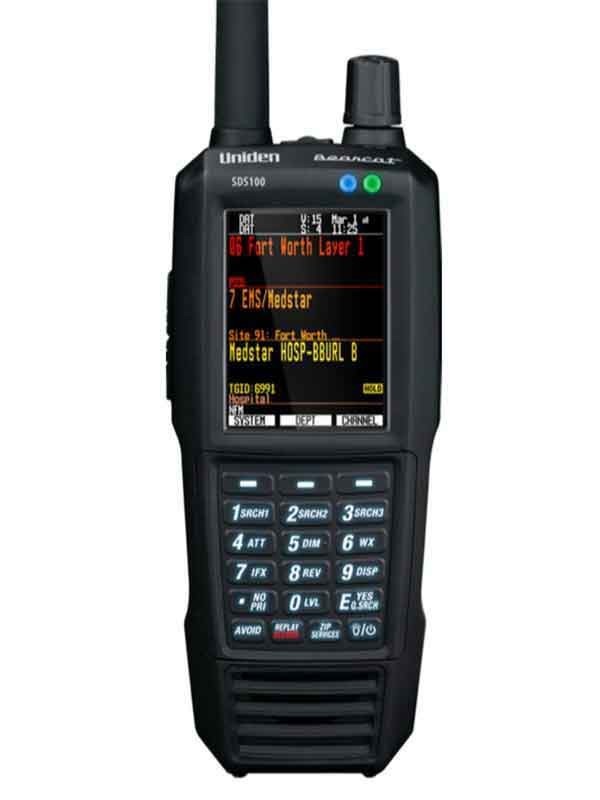
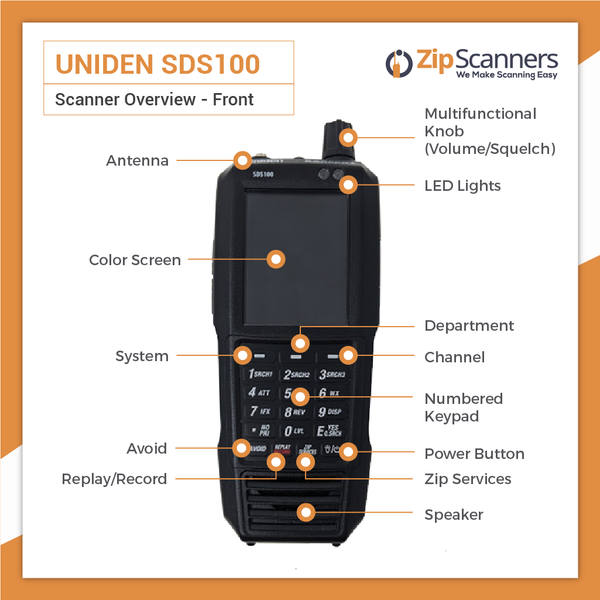
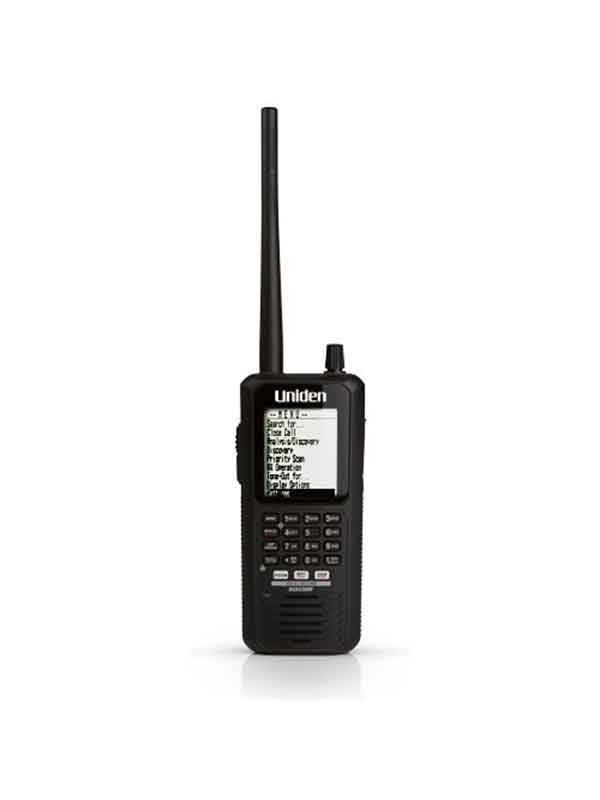
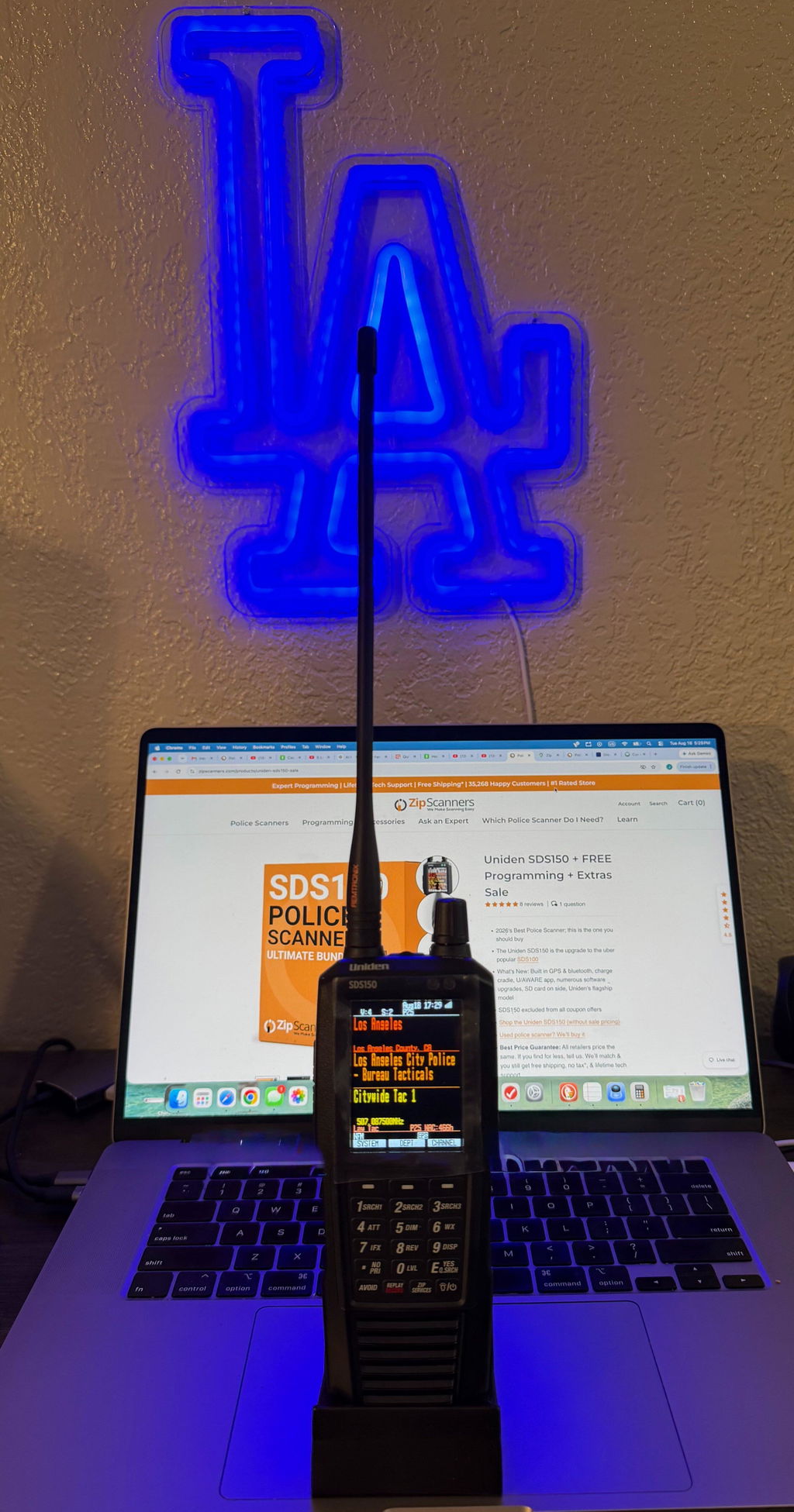
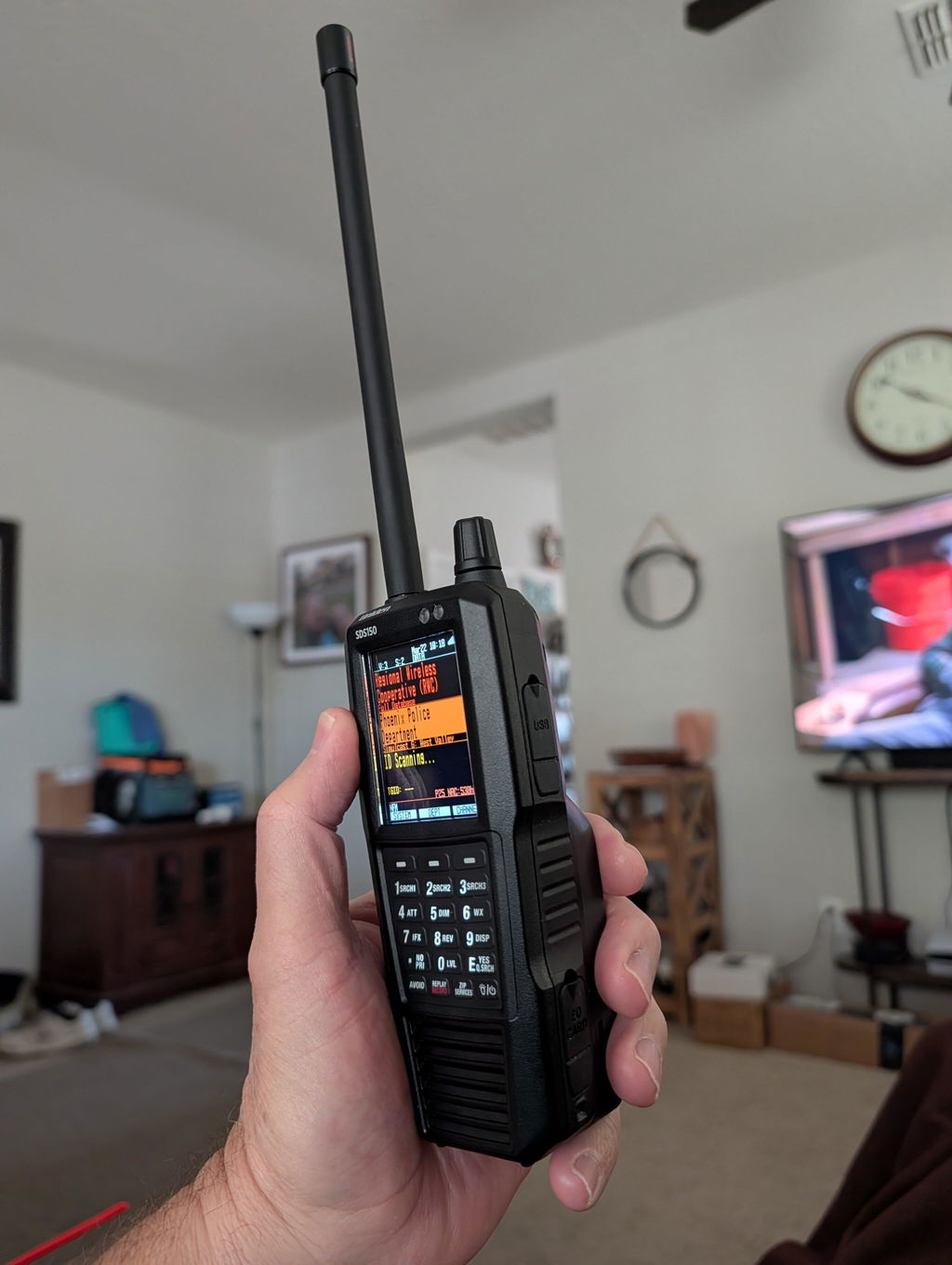
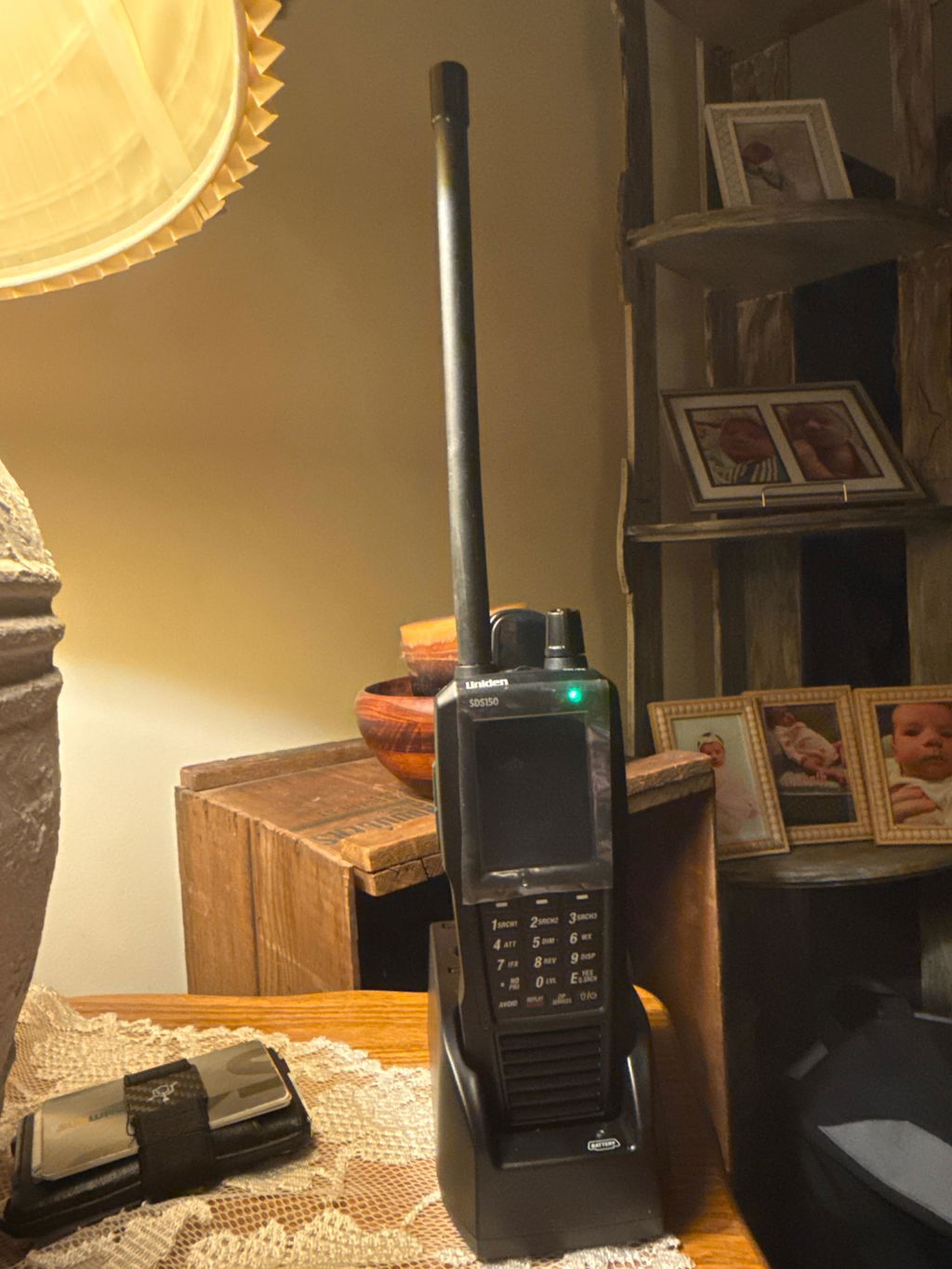
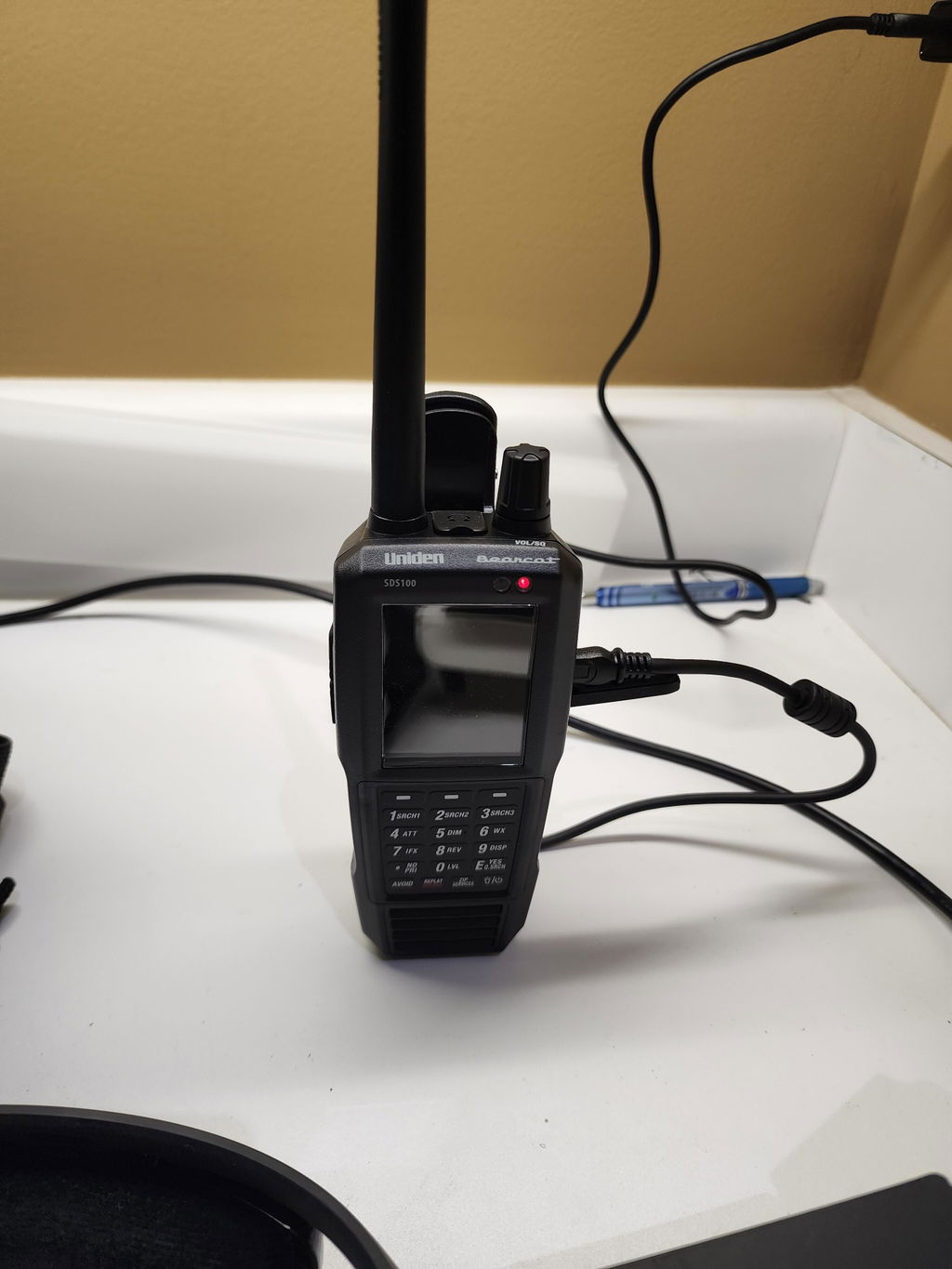
Because ARMER is a P25 Phase II trunked system, and several of its busiest sites, including the one covering Duluth, run in simulcast, you need a scanner built for exactly that. This is the situation the Uniden SDS100 and SDS150 were designed for. Both use Uniden's True I/Q digital platform, which handles simulcast distortion far better than older trunk tracking scanners, so you get clean audio instead of the garbled overlap that trips up budget models near tower overlap zones. The SDS100 is the proven workhorse and the better fit if you want strong Phase II performance at a lower price. The SDS150 is Uniden's current flagship, adding built in GPS, Bluetooth, a charging cradle, and the Waterfall display out of the box rather than as a paid add on. Either way, get it programmed correctly for your specific county's ARMER talkgroups rather than guessing at frequencies.
Uniden SDS100
The proven, widely trusted digital handheld. Strong P25 Phase II and simulcast performance at the more accessible price point.
Shop the SDS100Uniden SDS150
Uniden's flagship handheld. Built in GPS, Bluetooth, a charging cradle, and Waterfall included from day one.
Shop the SDS150Want either scanner programmed and ready to go the day it arrives? Our scanner programming service loads your exact county's ARMER talkgroups before it ships.
Not sure which scanner fits your county?
Book a free 15 minute call. We will help you pick the right model and get it programmed for your exact ARMER talkgroups before it ships.
Book a Free CallSee It In Action
Want to see these scanners in action before you buy? Our team walks through setup, programming, and real world simulcast performance on the Zip Scanners YouTube channel, straight from the people who program these radios every day.
SDS100 vs SDS150: Which One Should You Buy?
Watch on the Zip Scanners YouTube channel →How to Program Your Uniden Scanner for a Trunked System
Watch on the Zip Scanners YouTube channel →Go Deeper: Minnesota Radio Resources
For county level talkgroup lists, tower site maps, and live community updates on Minnesota's ARMER rollout, RadioReference is the best source outside of Zip Scanners. Their Minnesota wiki page tracks system changes county by county, and their Minnesota forum is where local listeners post encryption news the same week it happens.
- RadioReference: Minnesota Wiki
- RadioReference: ARMER System Page
- RadioReference: Minnesota Discussion Forum
Get Minnesota scanner updates in your inbox
New encryption changes, county programming files, and scanner deals, sent when they actually happen.
Frequently Asked Questions
What radio system does Minnesota use for police, fire, and EMS?
Nearly the entire state runs on ARMER, the Allied Radio Matrix for Emergency Response. It is a single P25 Phase II digital trunked network covering 86 of Minnesota's 87 counties, so one properly programmed scanner can follow traffic across almost the whole state.
Is Minnesota police radio traffic encrypted?
Some of it. Hennepin, Ramsey, Dakota, Scott, Carver, Washington, and Olmsted counties have moved some or all of their law enforcement channels to encryption, mostly starting in 2019. Most of Greater Minnesota, including Duluth and the St. Cloud area, remains open.
Is it legal to own a police scanner in Minnesota?
Yes, for home and personal use. Minnesota does restrict scanners inside a motor vehicle under Statute 299C.37: only peace officers, State Patrol members, and FCC licensed amateur radio operators can have one installed or in use in a car without a separate permit. Using a scanner to help commit or flee a crime is its own felony under Minnesota law, regardless of location.
Should I buy the SDS100 or the SDS150 for Minnesota?
Both track ARMER's P25 Phase II system and handle simulcast well. Choose the SDS150 if you want GPS, Bluetooth, and Waterfall included from day one. Choose the SDS100 if you want the same core performance at a lower price.