Best Police Scanner for Alaska: Frequencies, Systems & Recommendations
Best Police Scanner for Alaska: What Works in Your County
Zip Scanners | Updated August 2026
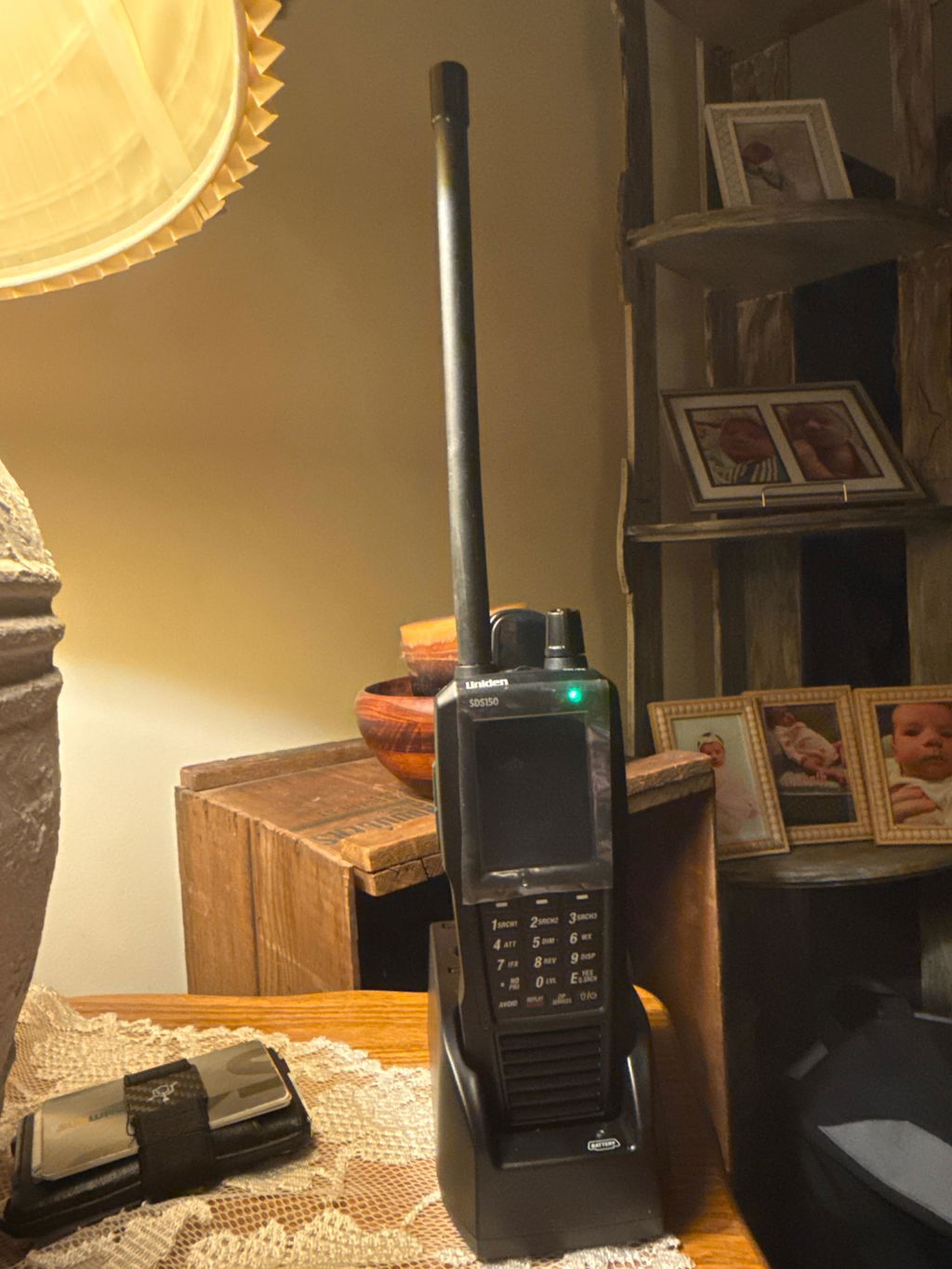
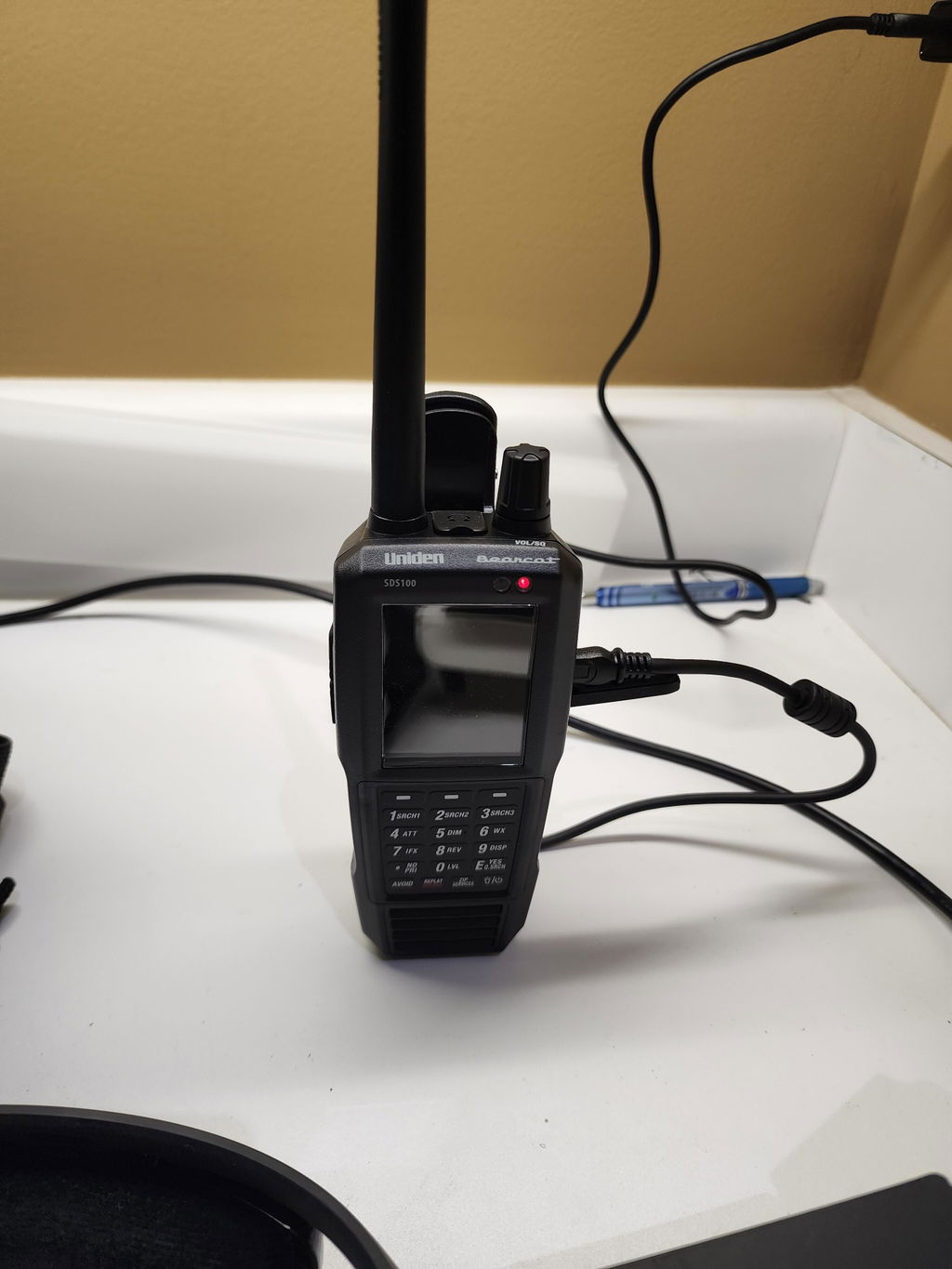
The quick answer: buy the Uniden SDS150 or the SDS100.
Alaska runs a statewide P25 network on VHF, not on 700 or 800 MHz like most of the country. Plenty of budget digital scanners can trunk track 800 MHz and cannot trunk track VHF. That one spec eliminates most cheap options before you get to anything else.
Alaska Runs on One Network, and It Is Not Like the Lower 48
Nearly all statewide public safety traffic in Alaska rides on ALMR, the Alaska Land Mobile Radio system. It is worth understanding who owns it, because that shapes everything else. ALMR is a shared network: the State of Alaska owns roughly 88 percent of the infrastructure, the Department of Defense owns about 12 percent, and federal civilian agencies plus local governments sit on the same system under a mutual aid agreement. It carries more than 120 agencies and 19,000 radios across roughly 80 sites, many of them mountaintop locations reachable only by helicopter.
The technical detail that matters to you as a buyer is the band. ALMR's primary coverage is VHF, roughly 150 to 162 MHz. Anchorage adds a separate 700 and 800 MHz node called AWARN that shares ALMR's system ID. So a scanner sold on the promise of "800 MHz digital trunking" will sit silent across most of the state and then work fine the moment you drive into Anchorage. You need both.
ALMR is also mid migration from P25 Phase I FDMA to Phase II TDMA. Every new radio added to the system has had to be TDMA capable since January 2021, and the conversion of voice channels carries a target date of December 31, 2026. Buying a Phase I only scanner in 2026 is buying a radio with an expiration date.
In Alaska, VHF trunk tracking is not a premium feature. It is the whole ballgame.
The Honest Truth About Police Traffic in Alaska
We would rather tell you this before you spend the money. Alaska's police traffic is heavily encrypted. The Alaska State Troopers are encrypted on all channels. Anchorage Police encrypted in 2013, and Anchorage Fire followed in September 2016 after the department stopped supplying a public stream. Fairbanks Police, North Pole Police, and Homer Police all show encrypted talkgroups today.
No scanner at any price defeats P25 AES encryption. Anyone telling you otherwise is selling you something. What a scanner still buys you in Alaska is substantial: fire and EMS across most of the state, aviation, marine, rail, search and rescue, DOT, and military traffic. And in one city, Juneau, police are still wide open.
Alaska Borough by Borough
Alaska has boroughs and census areas, not counties. Here is where the scanning actually is.
| Borough | System | What You Can Hear |
|---|---|---|
| Anchorage | AWARN, 700/800 P25 | Police and fire both encrypted. Airport police and fire on 851.350 stay clear, as does JBER police dispatch. |
| Fairbanks North Star | ALMR, VHF P25 | Police encrypted, but every borough fire and EMS talkgroup is clear. Better than Anchorage. |
| Matanuska-Susitna | Conventional VHF, P25 and analog | Areawide fire and EMS on 154.295. Palmer PD still analog and clear on 155.370. |
| Juneau | Conventional analog VHF | Police and fire both clear. The best scanning city in Alaska, and it needs no trunking at all. |
| Kenai Peninsula | Mixed ALMR and analog | Homer PD encrypted. Kenai, Homer, Nikiski, and Seward fire and EMS clear on analog VHF. |
| Bethel, Nome, Kotzebue | Conventional VHF | Simple analog and P25 conventional, largely open. Bethel police on 153.800 analog. |
One publishing note worth knowing: RadioReference still lists several retired Alaska census area names, including Wade Hampton and Valdez-Cordova. Check the current borough name before you go looking.
The Traffic Nobody Else in the Country Has
This is where an Alaska scanner earns its keep. In most states aviation and marine are hobby extras. Here they are primary public safety media, because villages are reached by bush plane and boat.
- Aviation. Ted Stevens tower 118.300, ground 121.900, approach 118.600 and 119.100. Anchorage Center works 119.700 and 133.700. The FAA's Alaska Flight Service and RCO network matters far more here than in the Lower 48. You need AM airband, 108 to 137 MHz.
- Marine VHF. Channel 16 on 156.800 for distress and calling, Coast Guard sectors, the Alaska Marine Highway ferries, and the fishing fleet.
- Statewide search and rescue on 155.160. If you program one frequency in the bush, make it this one. Statewide law mutual aid sits on 155.250, fire on 154.445, EMS on 159.210.
- Alaska Railroad. All analog, 160 to 161 MHz. Anchorage dispatch on 161.280.
- DOT and the haul road. The Dalton and Elliott Highway corridor runs roughly sixteen repeaters between 151.235 and 151.460.
Which Scanner Fits Your Part of Alaska
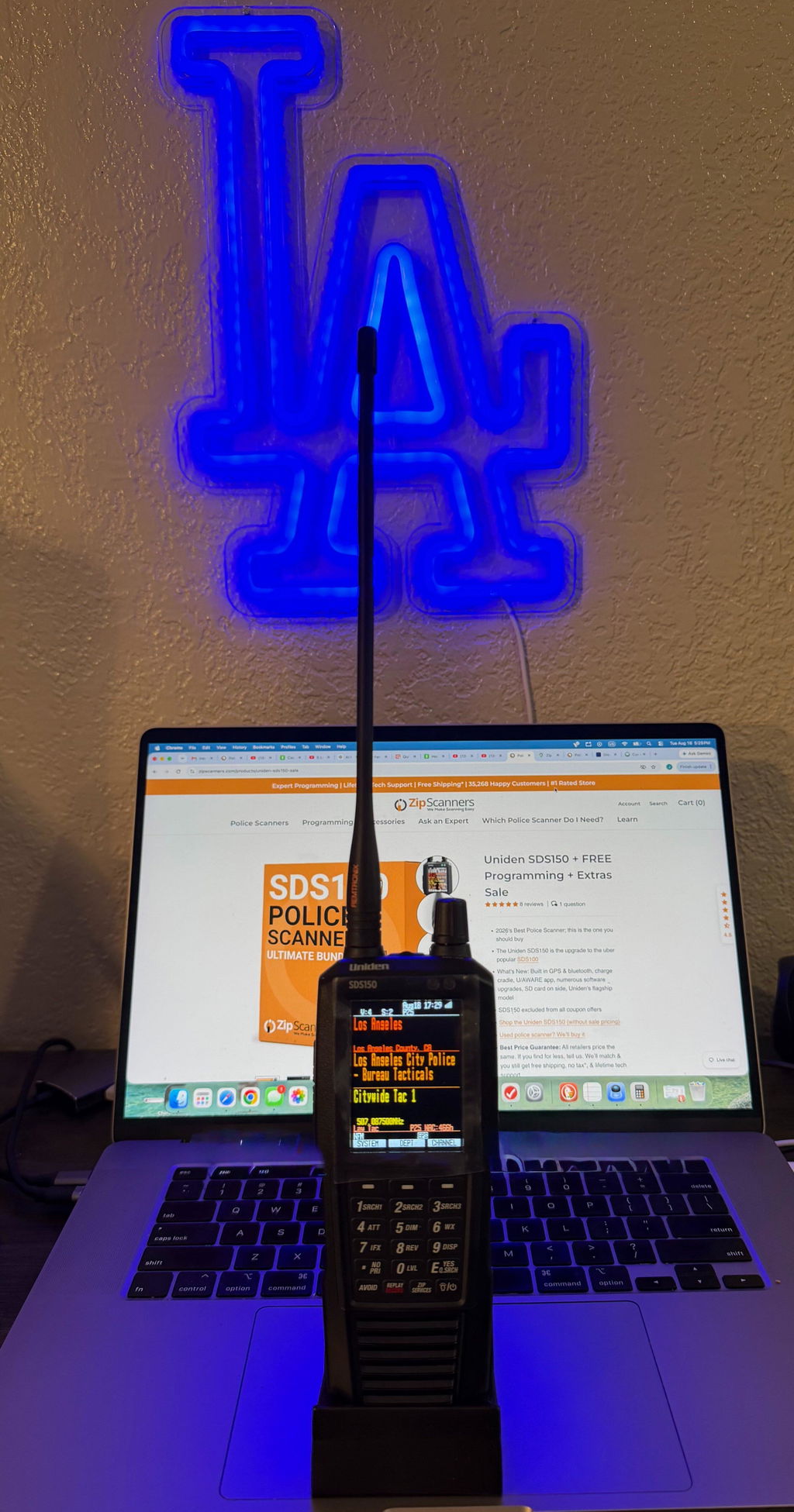
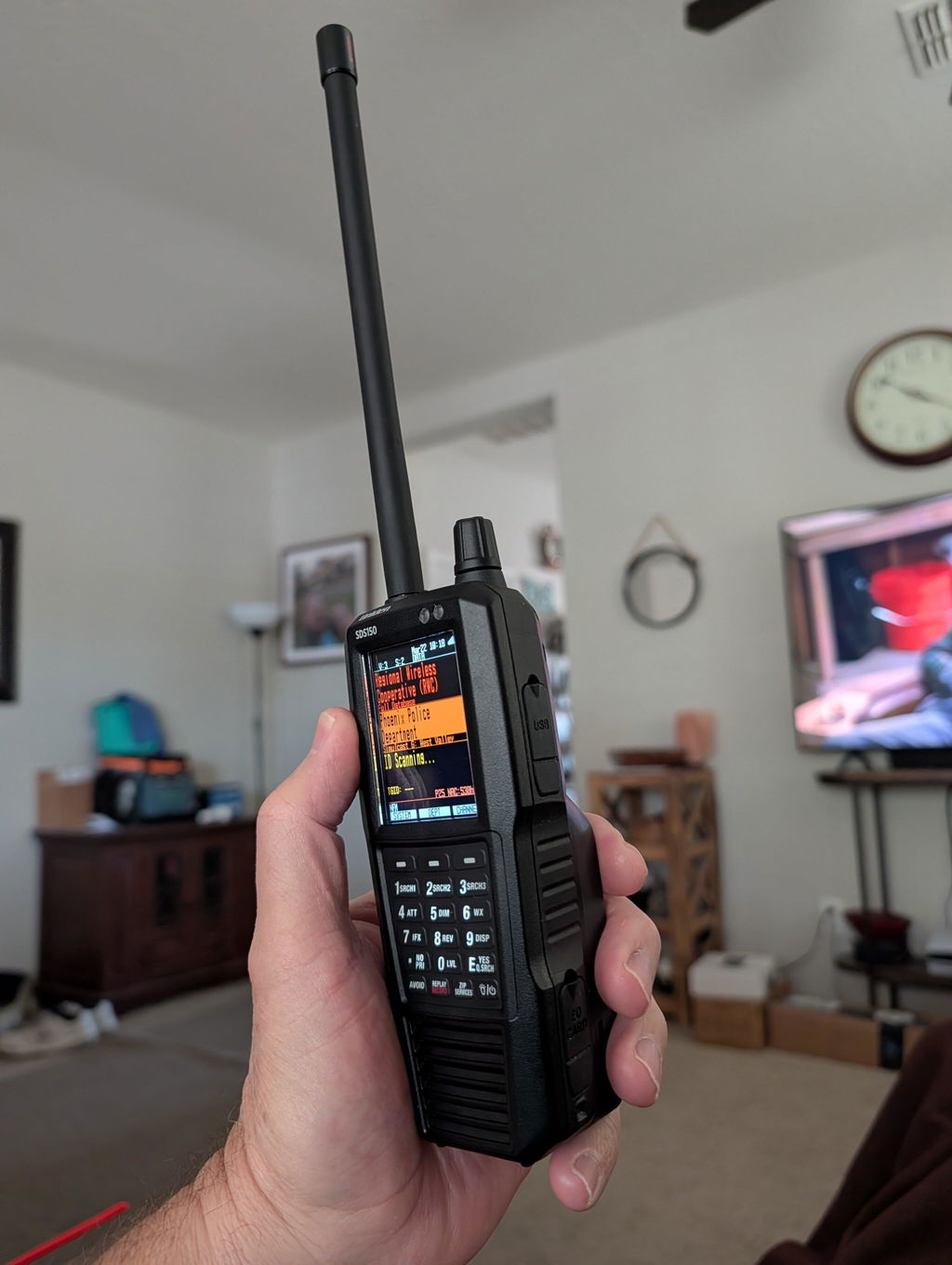
Uniden SDS150: Best Overall for Alaska
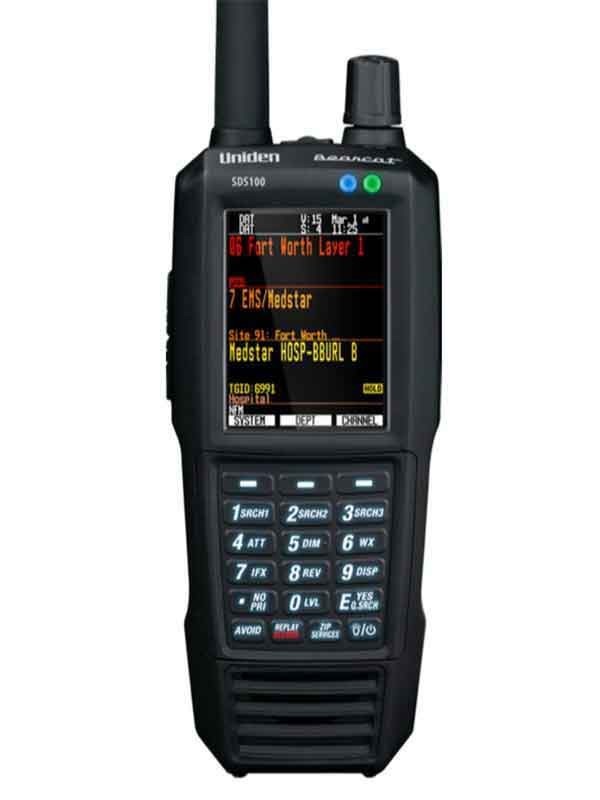
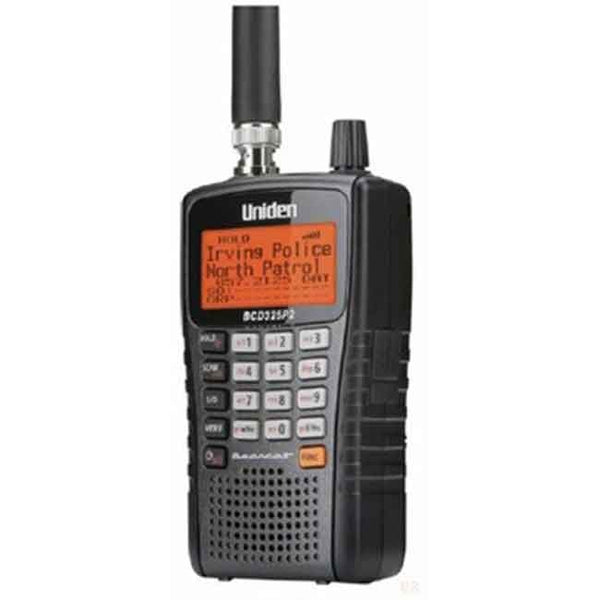
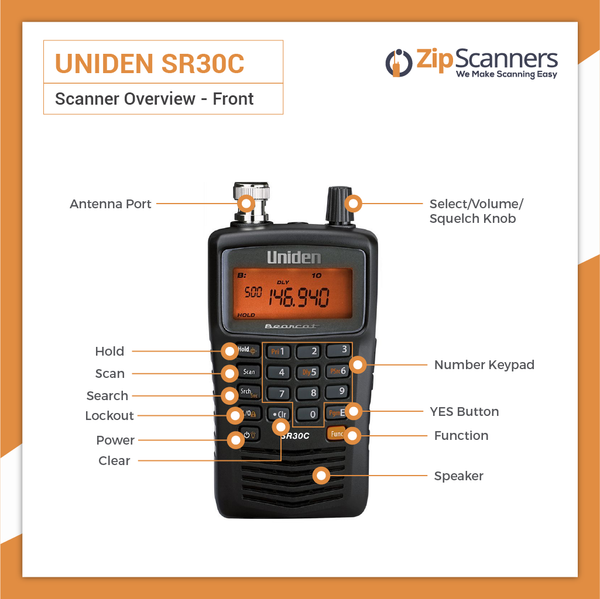
Full P25 Phase II TDMA, VHF trunk tracking, AM airband, and the True I/Q receiver. It handles ALMR statewide and the Anchorage AWARN node without you thinking about it. This is the one we put in most Alaska customers' hands.
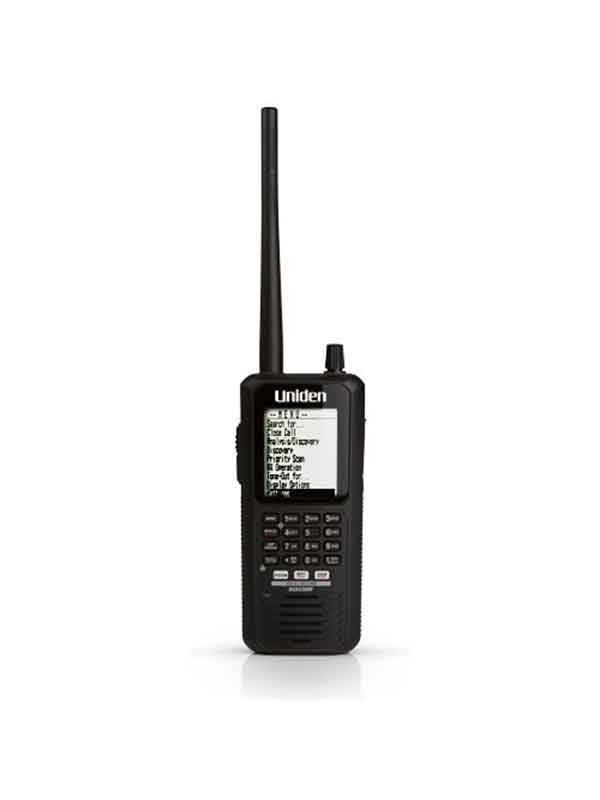
Uniden SDS100: Best Value, Same Decode Power
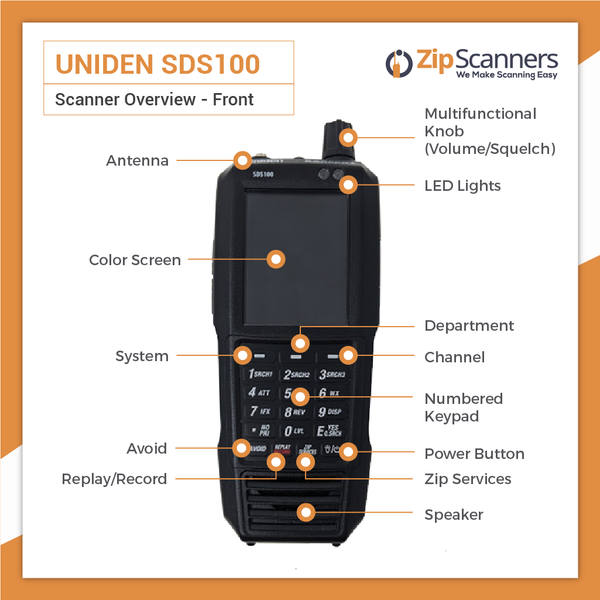
The same True I/Q decoding at a lower price, in a rugged handheld that is submersible to JIS8. If you fly, fish, hunt, or work the slope, this is the practical pick.
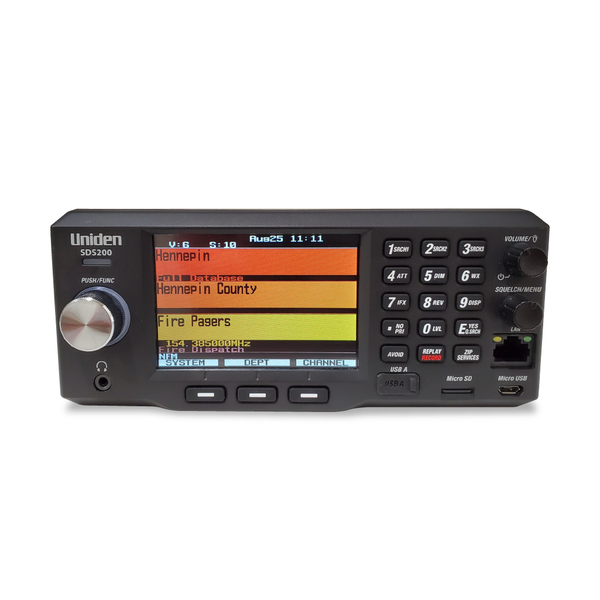
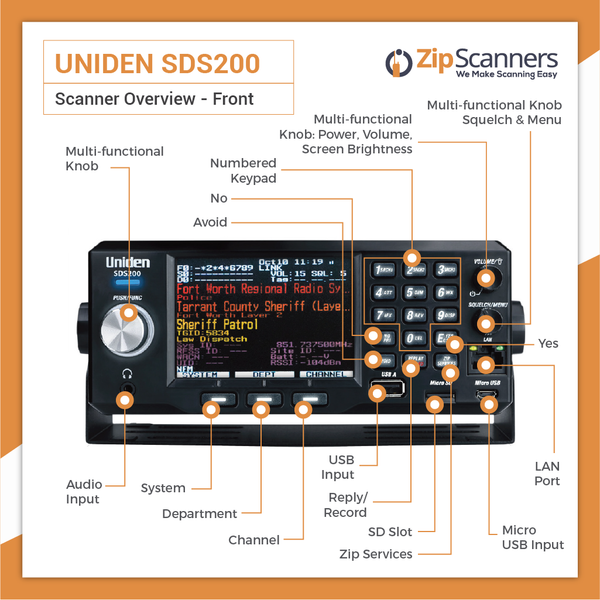
Uniden SDS200: Best for a Home or Vehicle Base
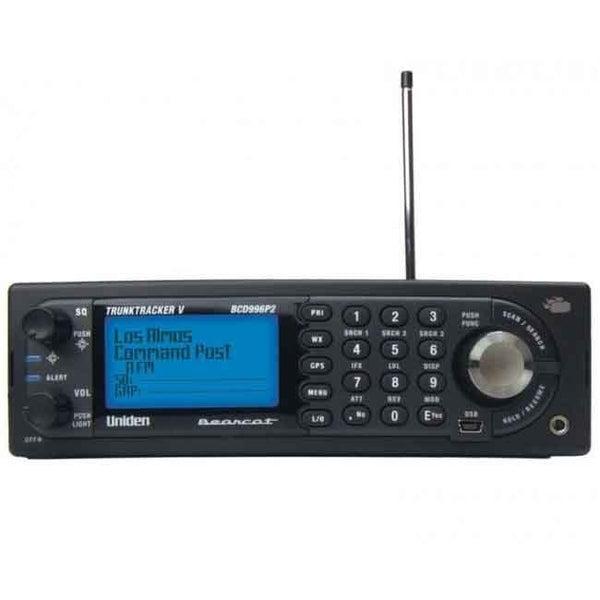
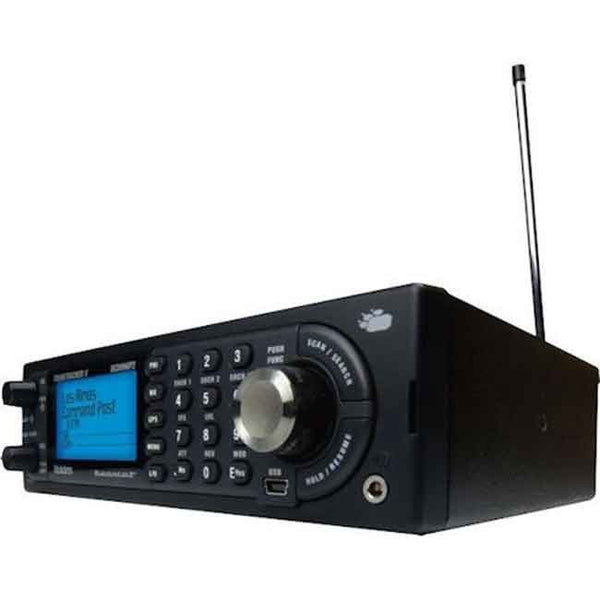
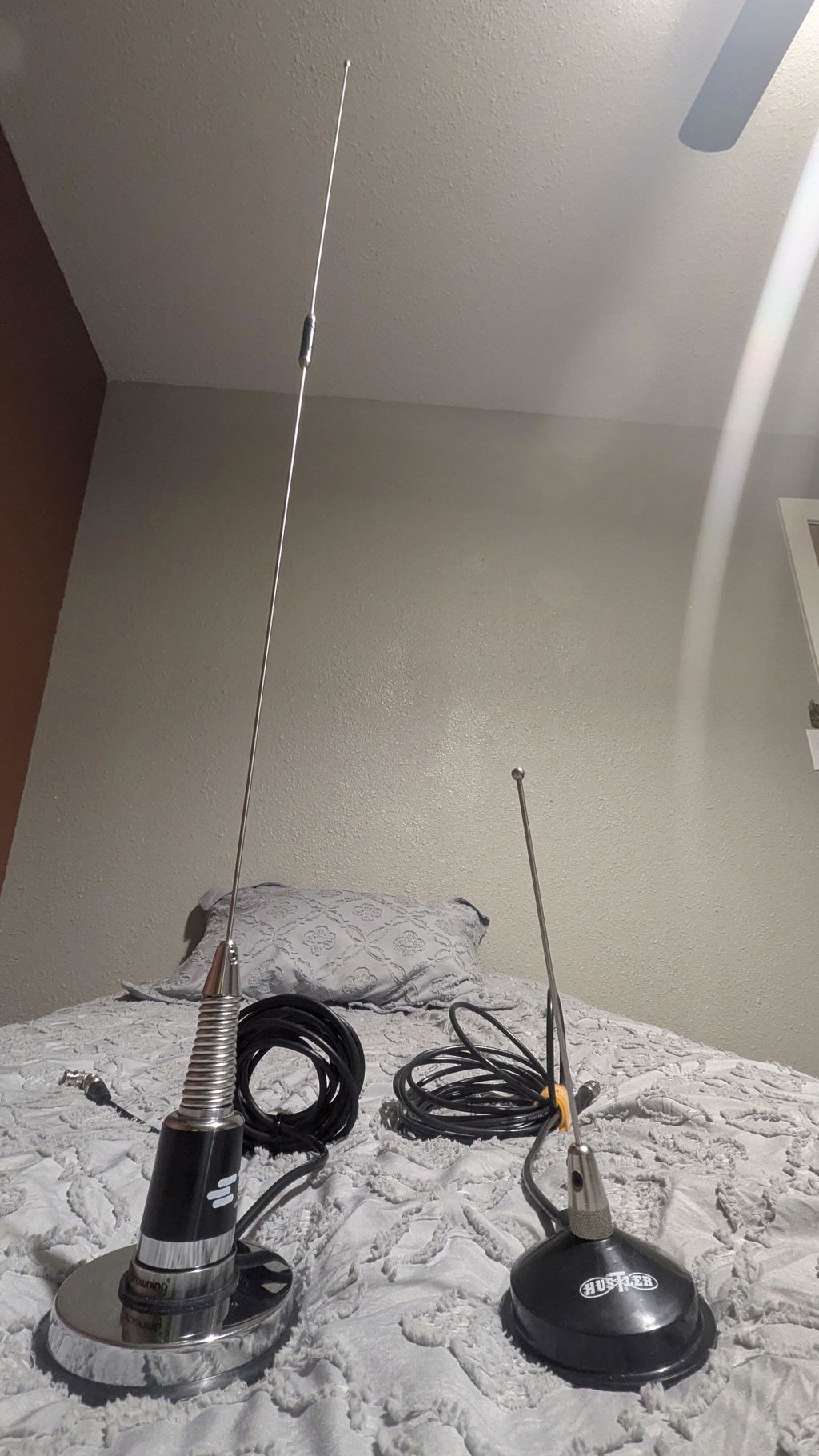
ALMR leans on mountaintop sites, and terrain decides everything. Pairing the SDS200 with an outdoor VHF antenna is a bigger real world upgrade in Alaska than it is anywhere flat.
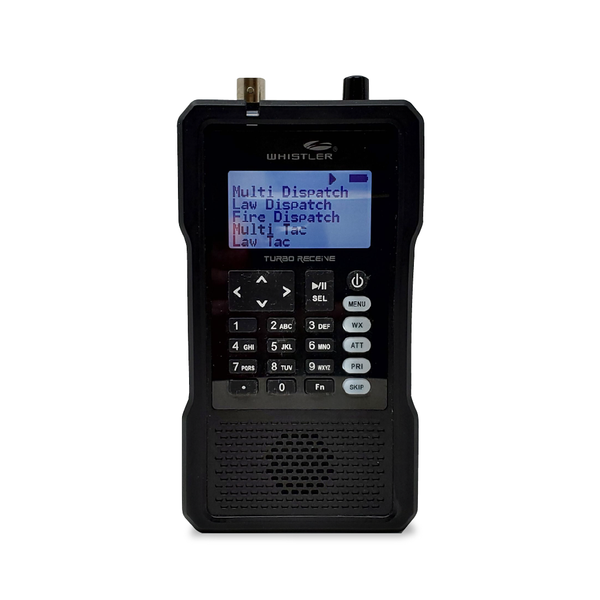
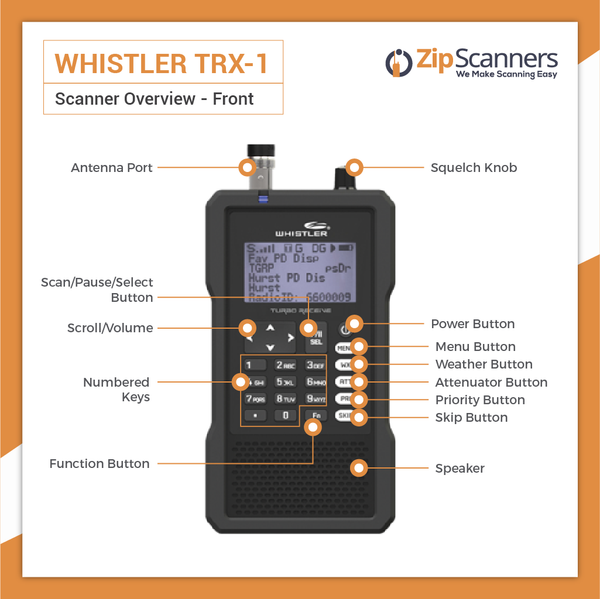
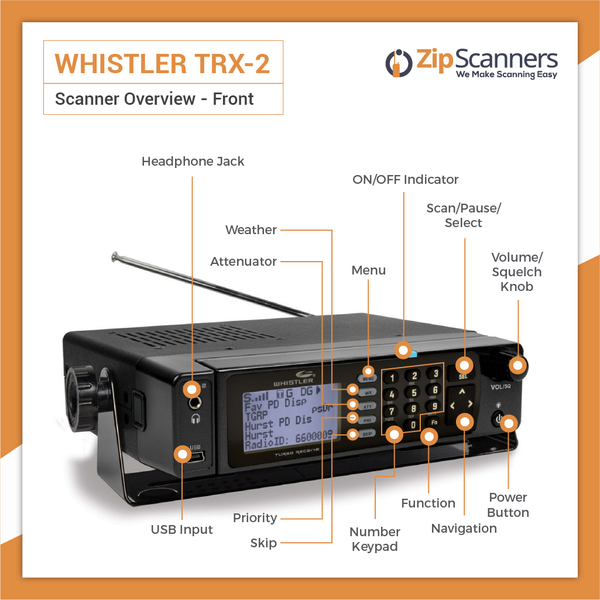
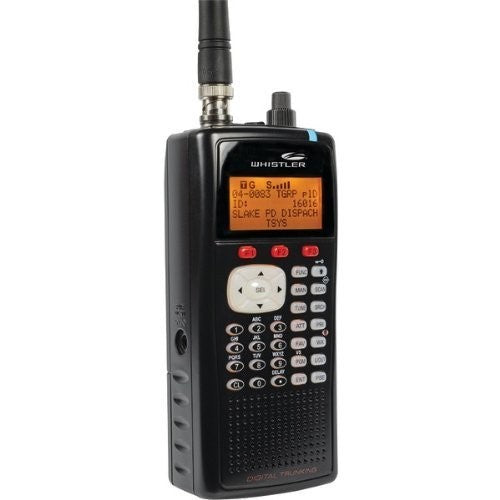
Whistler TRX-1: Budget Option for Conventional Areas
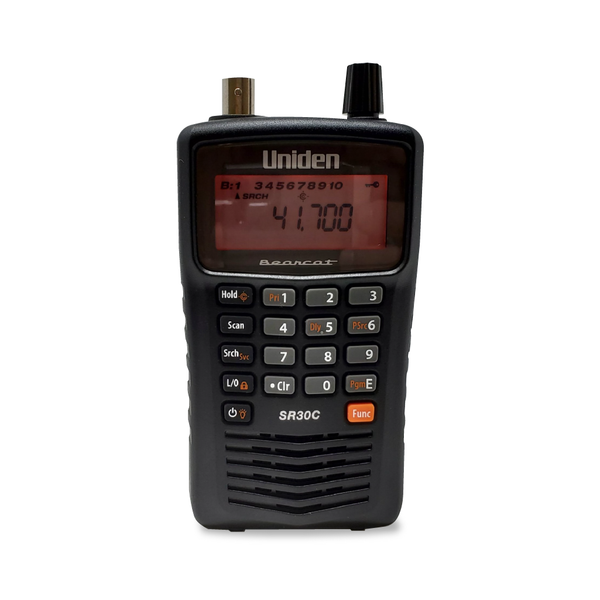
If you live in Juneau, Bethel, Kotzebue, or parts of the Mat-Su where everything you want is conventional VHF, you do not need a top tier receiver. The TRX-1 covers it for less.
Watch: How to Buy a Police Scanner
Programming Your Scanner for Alaska
- Find your borough on RadioReference and note the ALMR site nearest you.
- Program ALMR as an ordinary P25 system. Modern Uniden scanners read the band plan off the control channel, so no custom VHF band plan entry is needed.
- Add the conventional VHF frequencies for your area separately, because fire, EMS, rail, and DOT are not on the trunked system.
- Add statewide SAR on 155.160 and the mutual aid channels no matter where you live.
- Add your local airband and marine channels. In Alaska these are not optional.
Programming is by a wide margin the number one reason scanners get returned. If you would rather skip that entirely, we will do it for you before the unit ships. See expert programming, or if you are not sure which model fits your borough, use our free scanner recommendation service and a human will answer.
Get Alaska scanning updates before you buy
Alaska Police Scanner FAQ
Can I hear the Alaska State Troopers?
No. Troopers are encrypted on all channels, and encryption cannot be defeated by any receiver. Their legacy VHF channels such as 155.250 remain listed but carry little routine traffic.
Is Anchorage worth scanning at all?
For police and fire, no. Both encrypted. Anchorage still gives you airport public safety, JBER, medical to hospital traffic, and some of the busiest aviation in the state.
Do I need a special antenna for Alaska?
The stock rubber duck is a poor match for a VHF heavy environment. A VHF resonant whip on a handheld, or an outdoor antenna on a base unit, is the cheapest meaningful upgrade you can make here.
Will a Phase I scanner work?
Not for long. ALMR's TDMA conversion target is the end of 2026. Buy Phase II capable or plan to buy twice.
Ready to Hear What Is Happening in Your Borough?
Alaska is a harder scanning state than most, and the wrong scanner here fails quietly. Tell us your borough and we will tell you exactly what you will hear before you spend a dollar.
Radio systems change. Verify your borough at RadioReference before you buy, or let us check it for you.