Best Police Scanner for Indiana: Frequencies, Systems & Recommendations
If you are trying to hear police, fire, and EMS traffic in Indiana, the first thing to understand is that most of the state has already moved to one shared digital radio network. That is good news for scanner buyers because it means one scanner can cover almost the entire state, but it also means an older analog scanner will not pick up much of anything. Here is what is actually running in Indiana, which counties still let you listen in, and which Uniden scanner we recommend.
Indiana's Statewide System: Project Hoosier SAFE-T
Indiana's backbone system is called SAFE-T, short for Safety Acknowledging First Emergency Responders, Trunked. It is a P25, Motorola ASTRO 700/800 MHz trunked radio network built and maintained by the Indiana Integrated Public Safety Commission (IPSC), and it links more than 175 tower sites into 11 regional dispatch zones covering nearly every county in the state.
Most county sheriff's offices, small-town police departments, and rural fire and EMS units dispatch directly on SAFE-T talkgroups rather than running their own separate radio systems. That is a big deal for scanning: instead of hunting down dozens of individual conventional frequencies county by county, one properly programmed digital trunking scanner can follow SAFE-T traffic anywhere in Indiana as you cross county lines.
A handful of the state's largest cities run their own local trunked systems instead of relying on SAFE-T for day-to-day dispatch. Indianapolis and Marion County are the biggest example, dispatching primarily on the Metropolitan Emergency Services Agency (MESA) system, though most Marion County public safety agencies still hold SAFE-T talkgroups for mutual aid and interoperability during larger incidents.
"IPSC guidelines actually discourage encrypting everyday dispatch traffic. Full encryption in Indiana tends to be the exception, driven by individual city or county decisions, not a statewide mandate."
Encryption in Indiana: County by County
Overall, Indiana's encryption picture is moderate. Most rural SAFE-T counties still broadcast dispatch and patrol traffic in the clear, while a few larger cities have locked things down. Here is how the state's busiest counties break down.
| County / City | System | Status |
|---|---|---|
| Allen County (Fort Wayne) | City/County P25 | Fully Encrypted |
| Marion County (Indianapolis) | MESA / SAFE-T | Partial (tactical only) |
| Lake County / Porter County (NW Indiana) | SAFE-T P25 | Mostly Open |
| Hamilton County (Carmel / Noblesville) | SAFE-T P25 | Open |
| St. Joseph County (South Bend) | SAFE-T P25 | Open |
| Vanderburgh County (Evansville) | SAFE-T P25 | Open |
Encryption status changes as individual agencies upgrade their radios, so always cross-check current talkgroups on RadioReference before you buy or program.
What This Means for Your Scanner
Because SAFE-T is a P25 Phase 1 and Phase 2 trunked system running on 700 and 800 MHz, an analog-only scanner will not work almost anywhere in Indiana. You need a digital trunk-tracking scanner that can decode P25 and follow SAFE-T's control channels automatically as calls jump between talkgroups.
If you live in or near Marion County, factor in Indianapolis's separate MESA simulcast system too. Simulcast environments are notorious for causing garbled, "flanging" audio on lower-end digital scanners, which is exactly the kind of interference Uniden's True I/Q platform was built to correct.
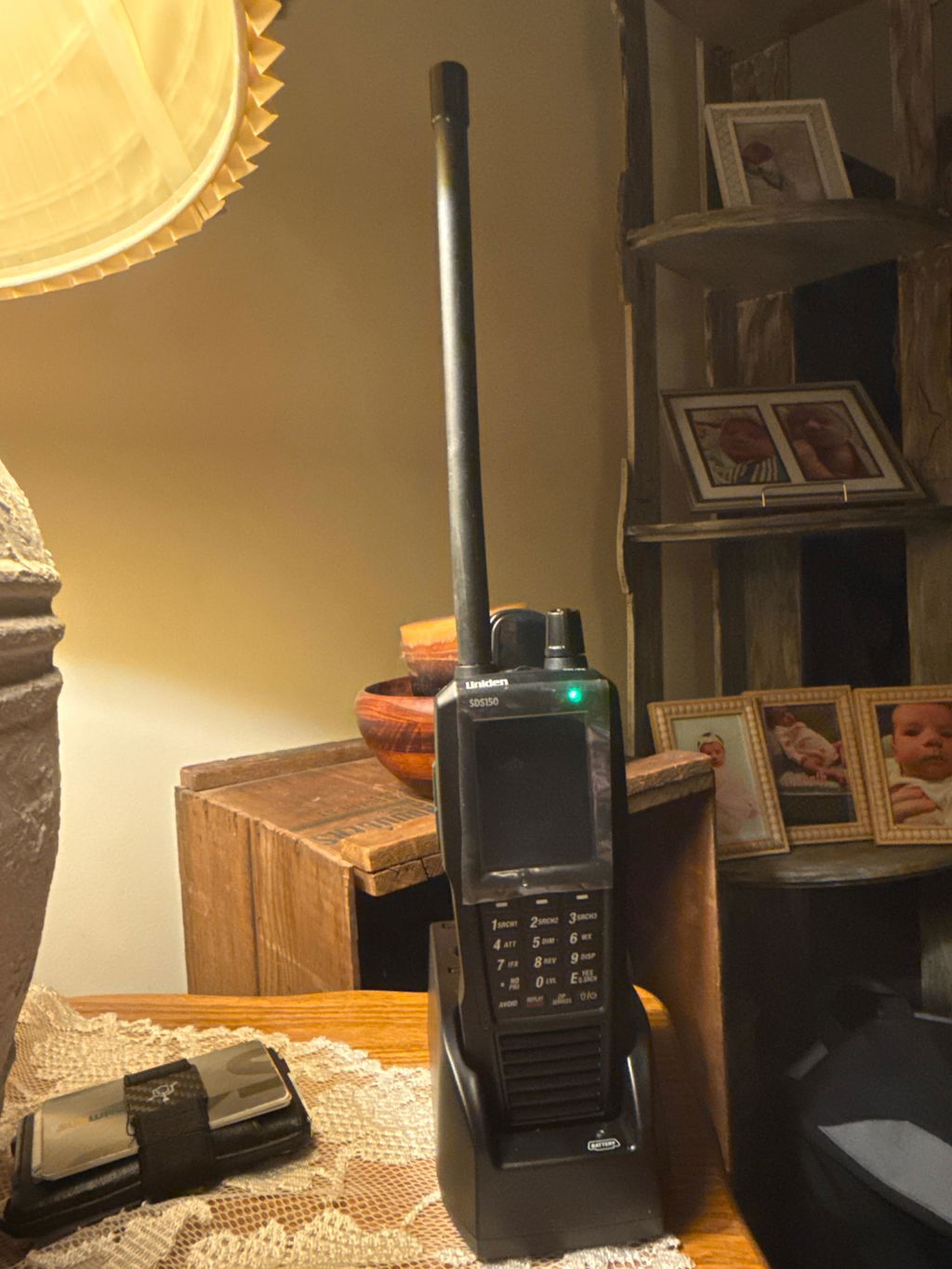
Top Pick: Uniden SDS150
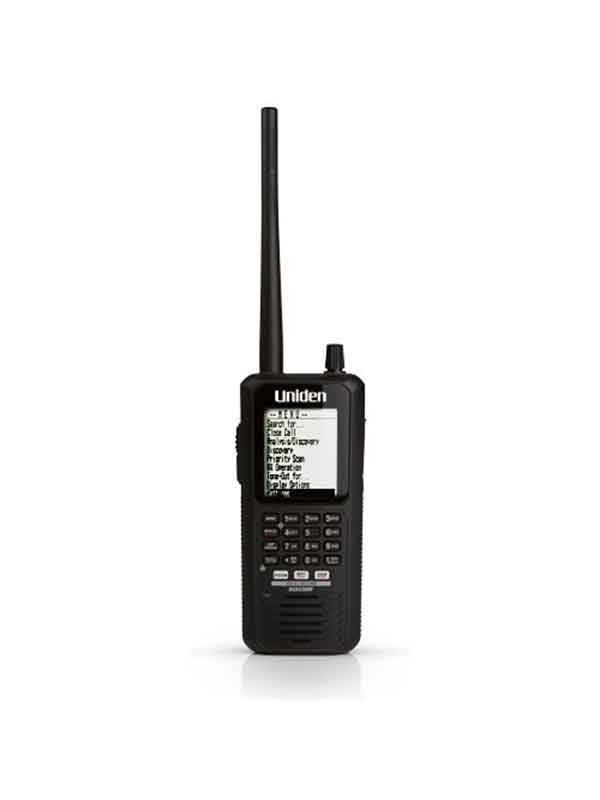
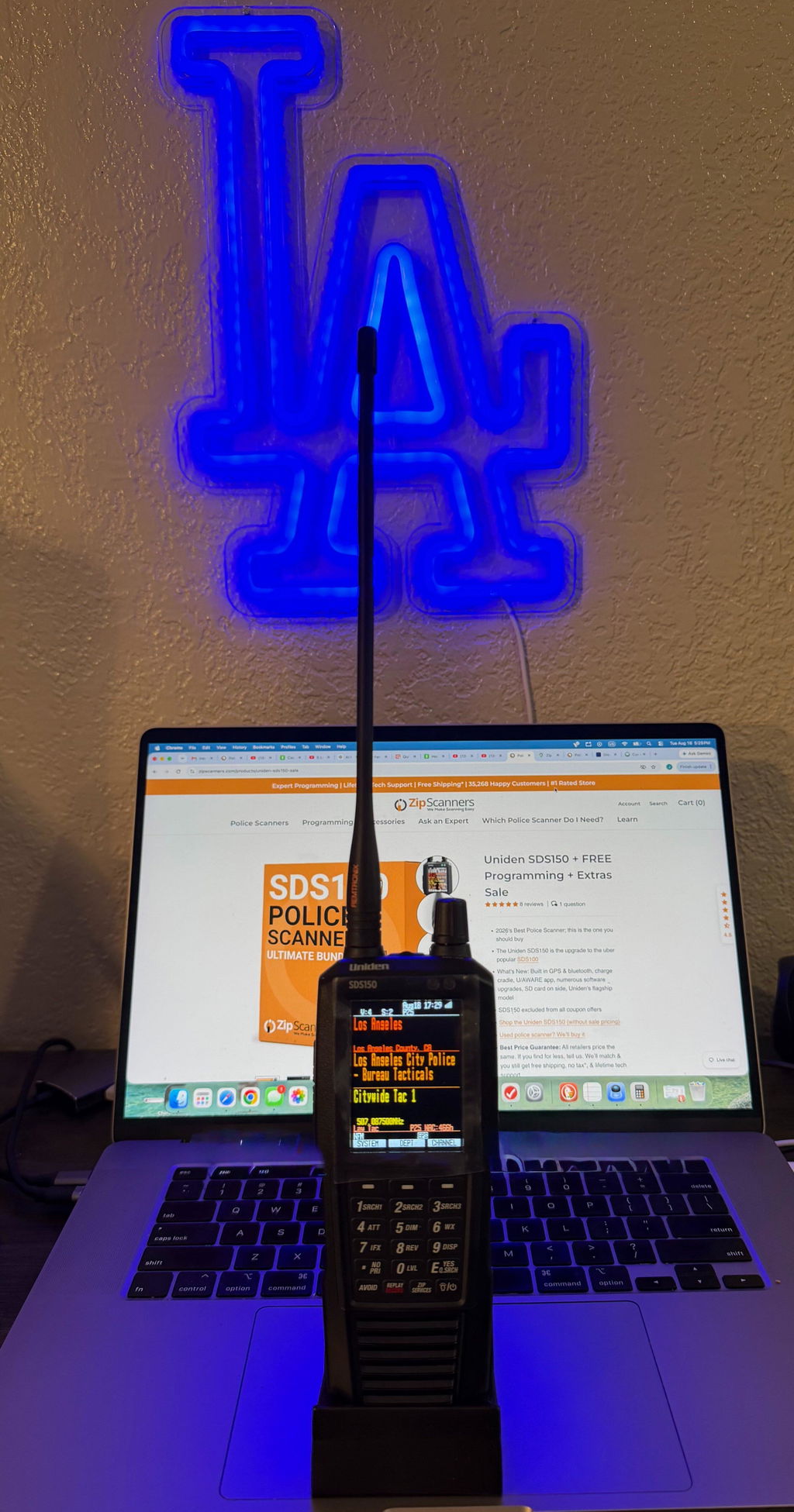
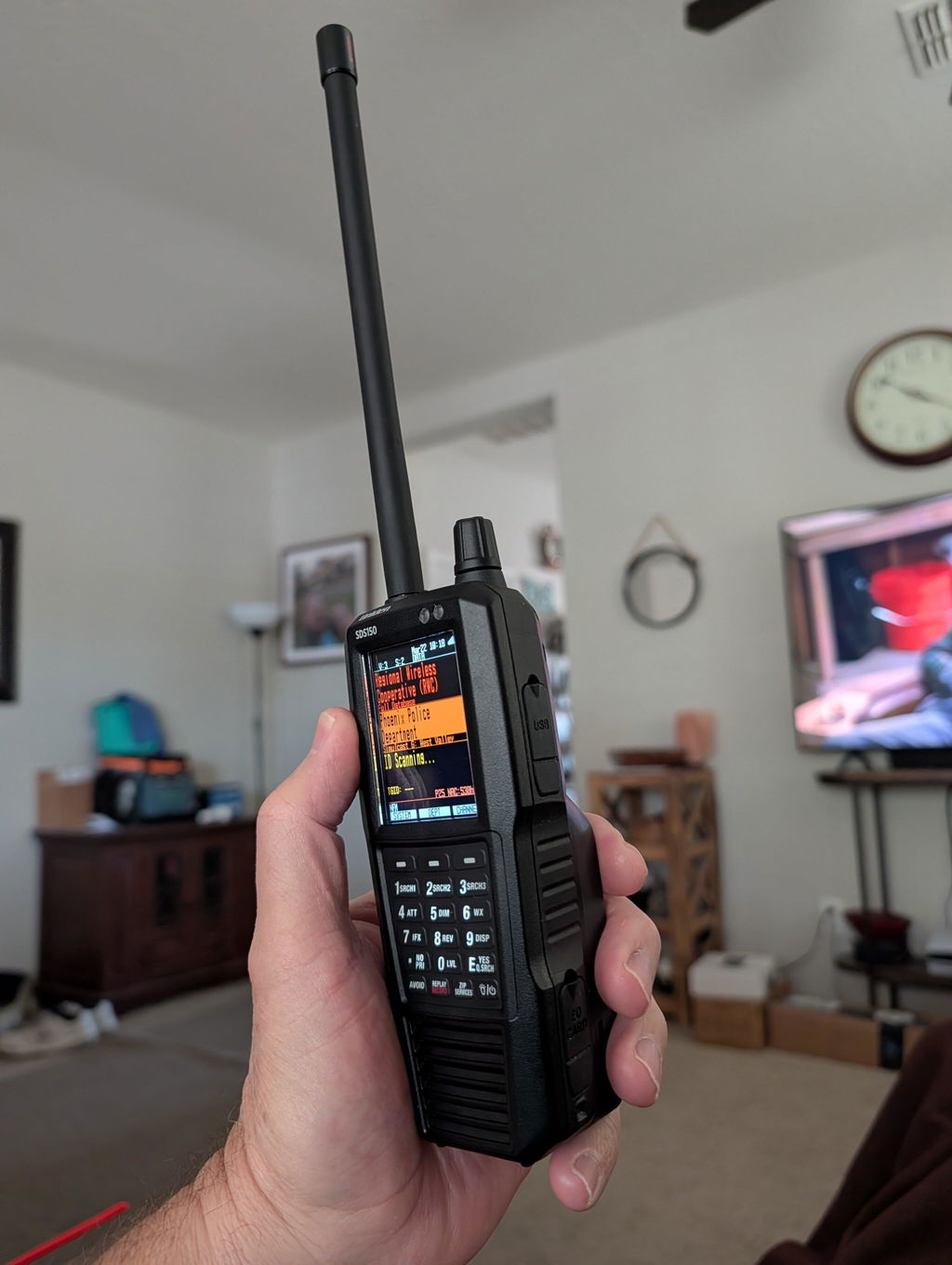
Uniden's flagship handheld uses the True I/Q platform, which is exactly what you want for Marion County's MESA simulcast and any other dense SAFE-T tower zone. Built-in GPS, phone app control, and USB-C charging make it the easiest scanner to live with day to day.
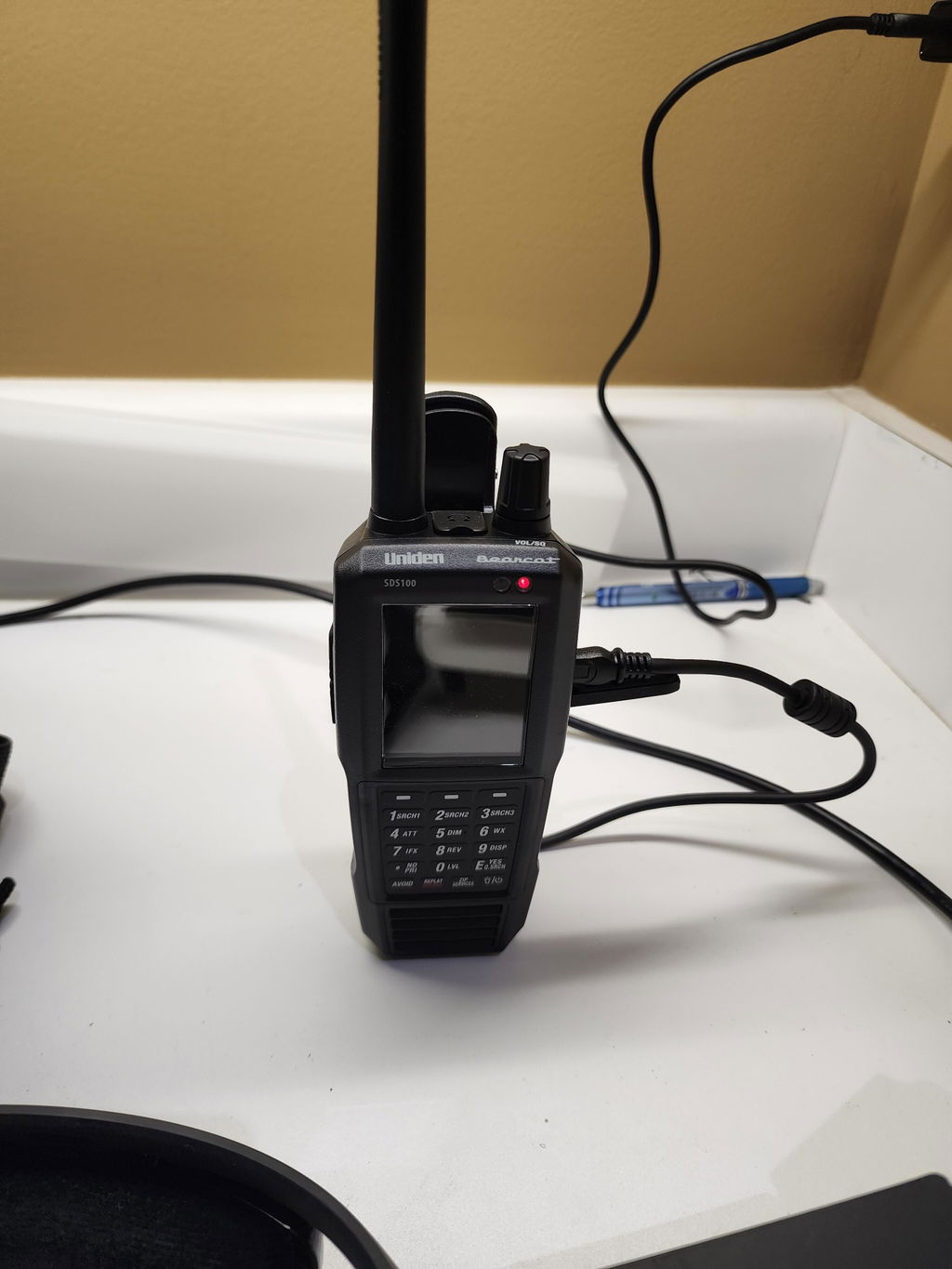
Shop the Uniden SDS150Budget Pick: Uniden SDS100
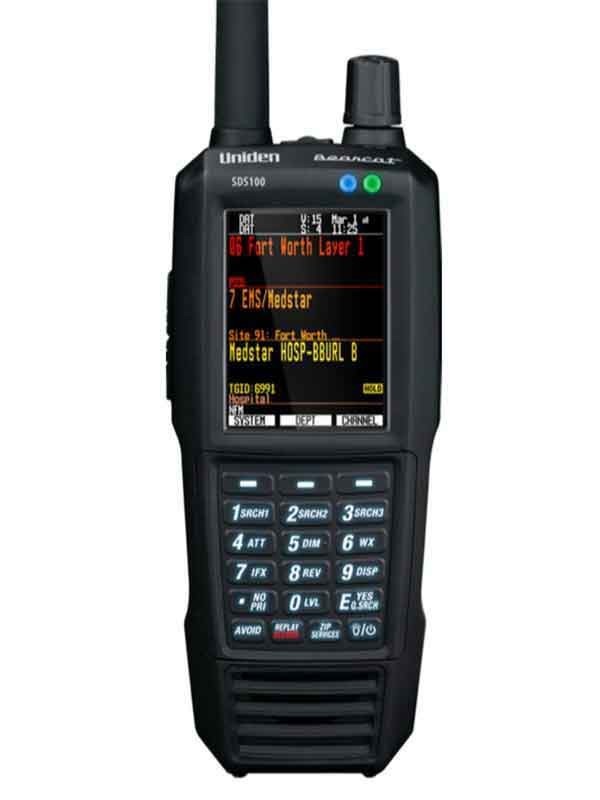
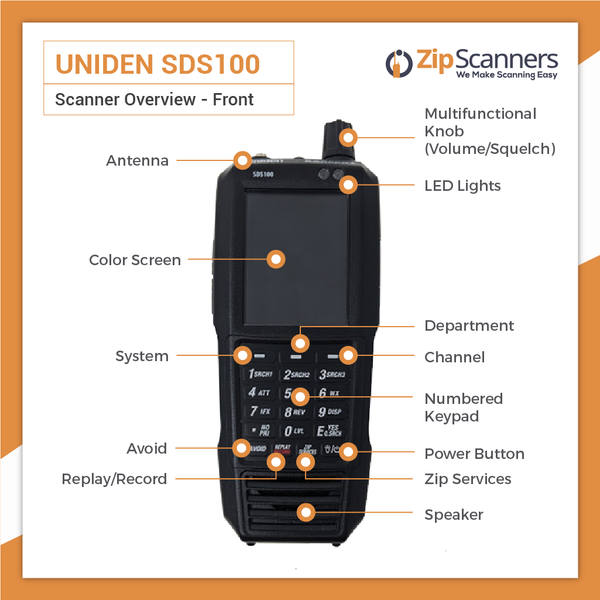
The SDS100 runs the same True I/Q simulcast-busting core as the SDS150 for less money. If you are mainly scanning a single rural SAFE-T region rather than bouncing between Indianapolis and the rest of the state, this is the smarter buy.
Shop the Uniden SDS100Not sure which one fits your county, or want it programmed with your local SAFE-T talkgroups before it ships? Add expert programming at checkout and we will have it dialed in and ready to scan out of the box.
Not Sure Which Scanner Is Right for Your County?
Book a free call with our team and we will help you pick the right scanner and talkgroups for your exact part of Indiana.
Book a Free CallWatch: Getting Started With Your Scanner
Our team put together video walkthroughs covering unboxing, setup, and programming for the SDS150 and SDS100. Here is our full video library.
Go Deeper: RadioReference Resources
RadioReference is the best source for current, crowd-verified talkgroup and frequency data, since agencies update their systems more often than any single guide can track. Before you program a new scanner, check these:
- SAFE-T Wiki Page — system overview, tower sites, and IPSC encryption programming guidelines
- Indiana Radio Discussion Forum — active local threads on new encryption moves, tower outages, and county-specific talkgroups
Frequently Asked Questions
What radio system does Indiana use?
Most of the state runs on Project Hoosier SAFE-T, a P25 700/800 MHz trunked system managed by the Integrated Public Safety Commission. Indianapolis and Marion County are the main exception, dispatching primarily on their own MESA system.
Is police scanner traffic encrypted in Indiana?
It varies by agency. Fort Wayne and Allen County moved to full encryption, Indianapolis encrypts tactical and SWAT talkgroups but keeps general patrol dispatch open, and most rural SAFE-T counties remain unencrypted.
Is it legal to own a police scanner in Indiana?
Yes, owning and listening to a scanner at home is legal. Indiana law (IC 35-44-3-12) restricts using a police radio while committing a crime or to avoid detection by law enforcement, and mobile use has additional restrictions, so check current state guidance if you plan to run a scanner in a vehicle.
Which scanner should I buy for Indiana?
The Uniden SDS150 or SDS100 are both strong choices since they decode P25 and handle simulcast interference well. Choose the SDS150 if you travel across counties or want GPS and app control, or the SDS100 if you are mainly scanning one region on a budget.